A simple argument. A moment of defense. A lifetime extinguished in a storm of senseless violence. This is the tragic story of Liton Chandra Das, a 60-year-old Hindu hotel and sweet shop owner from the Kaliganj area in Bangladesh, whose life was brutally cut short by a mob.
His death is not just a statistic in a crime log. it is a chilling testament to the rising tide of intolerance and the terrifying vulnerability of minority communities in the region.
An Act of Decency Met with Unspeakable Brutality
The incident, which unfolded on a seemingly ordinary Saturday morning, began with a minor dispute between a customer and one of Mr. Das's employees, Ananta Das. Like any responsible employer, Liton Chandra Das intervened to protect his staff and de-escalate the situation.
But in a place where mob rule can erupt in an instant, his act of decency was met with viciousness. The argument didn't just escalate; it exploded. A group of customers turned on Mr. Das, transforming from patrons to a frenzied mob. They punched him, they kicked him, and in a final, horrific act of barbarity, they struck him with a shovel.
Liton Chandra Das died on the spot. He was a man who had built a life and a business, only to have it all taken away in a matter of minutes while local inhabitants were reportedly unable to come to his aid against the fury of the mob.
Not an Isolated Incident, But a Disturbing Pattern
To dismiss this as a random act of violence would be to ignore the terrifying context in which it occurred. This is not an isolated case. It is the latest in a series of violent attacks, lynchings, and mob-justice killings that have created a climate of fear, particularly for the Hindu minority.
Consider the grim timeline of recent events mentioned in reports:
There’s more to life than simply increasing its speed.
By Udaipur Freelancer
- Dipu Chandra Das: A garment factory worker who was lynched and then horrifically set ablaze by a mob over mere allegations of blasphemy.
- Ripon Saha: A fuel-station worker who was crushed to death by a black SUV after he tried to stop the driver from fleeing without paying. The accused in this case includes a former treasurer of a major political party.
- Amrit Mondal: Another individual beaten to death by a mob, this time over alleged charges of extortion.
Whether the trigger is a workplace argument, an accusation of blasphemy, or a criminal allegation, the outcome is increasingly the same a mob acts as judge, jury, and executioner. The rule of law is supplanted by the rule of the crowd, and it is the vulnerable who pay the ultimate price.
A Cry for Justice in a Climate of Fear
The police have since arrived on the scene of Mr. Das's murder, arresting three individuals and launching an investigation. While this is a necessary first step, for the panic-stricken community, it offers little comfort. They are demanding more than just arrests. they are demanding a fair and transparent investigation and meaningful legal action that sends a clear message minority lives matter, and this lawlessness will not be tolerated.
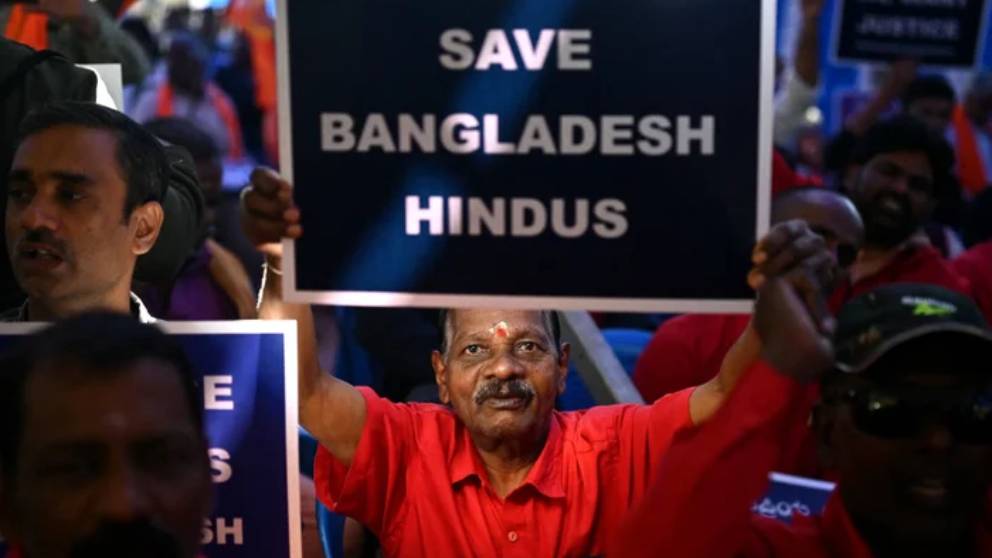
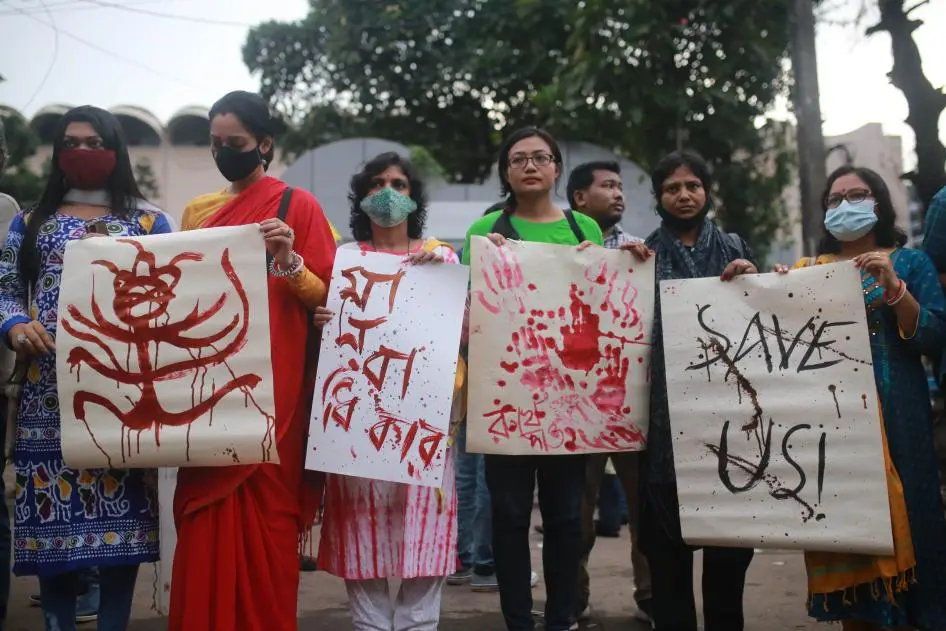
The image of a protestor holding a sign that reads, "Please Save Hindu in Bangladesh," is no longer just a political statement. It is a desperate plea echoing from the streets, a cry for help from a community that feels increasingly unsafe in their own homes.
When a 60-year-old shopkeeper can be murdered in broad daylight for simply defending his employee, it signals a profound societal sickness. It is a stark reminder that the fight for tolerance, safety, and basic human rights is far from over.
His name was Liton Chandra Das. He was a merchant, an employer, and a human being. His life mattered. May his memory serve not as another forgotten headline, but as a catalyst for change.














Recommended for you
Must-See Art Exhibitions Around the World This Year
The Revival of Classical Art in a Digital Age
Breaking Down the Elements of a Masterpiece Painting
The Revival of Classical Art in a Digital Age