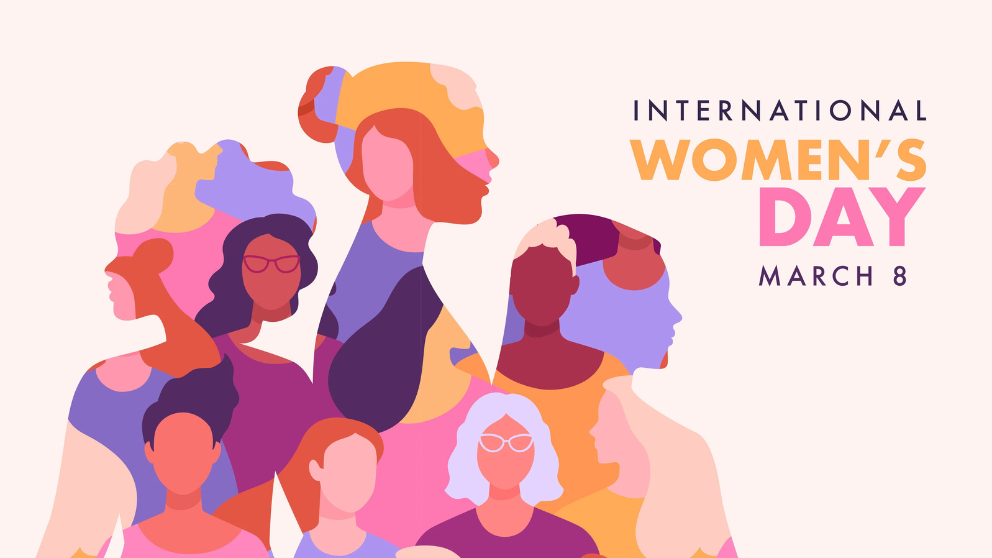
Welcome back to the blog, my lovely readers! Grab a cup of coffee or tea, get comfortable, and let’s have a heart-to-heart chat. Today, we are going to dive deep into a very special occasion that rolls around every year on March 8th: International Women’s Day.
But we aren't just going to talk about the basic stuff you see on social media. We are looking specifically at International Women’s Day 2026. We’ll explore its history, why we still desperately need it, the amazing theme for this year, and some deeply important real-world issues that women are facing right now.
I want to keep this simple, casual, and easy to read, but I also promise not to shy away from the truth. There are some beautiful things to celebrate, but there are also some tough realities we need to face together. So, let’s get right into everything you need to know about International Women’s Day 2026!
What Exactly is International Women’s Day?
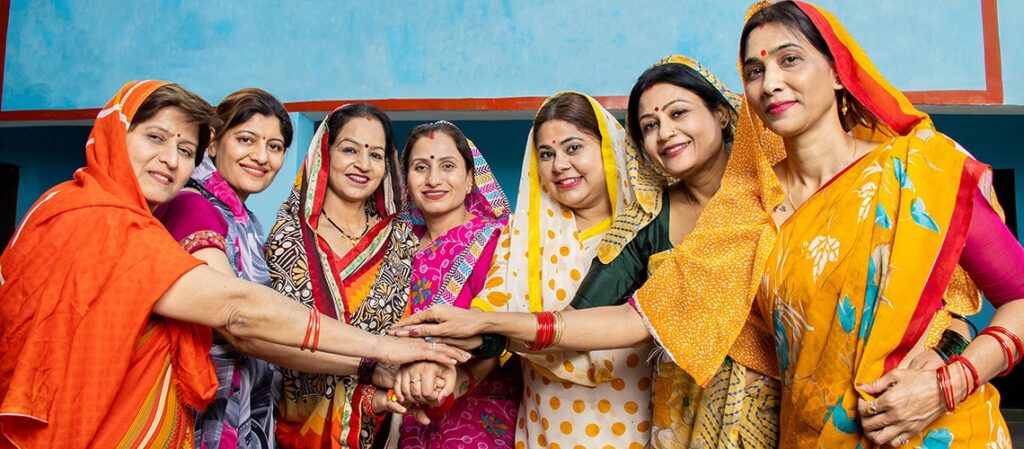
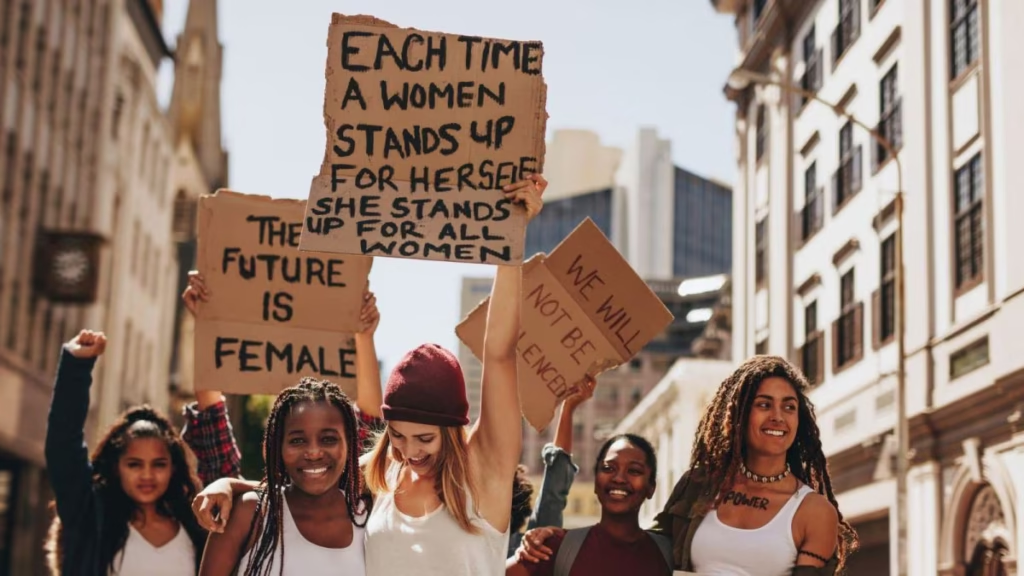
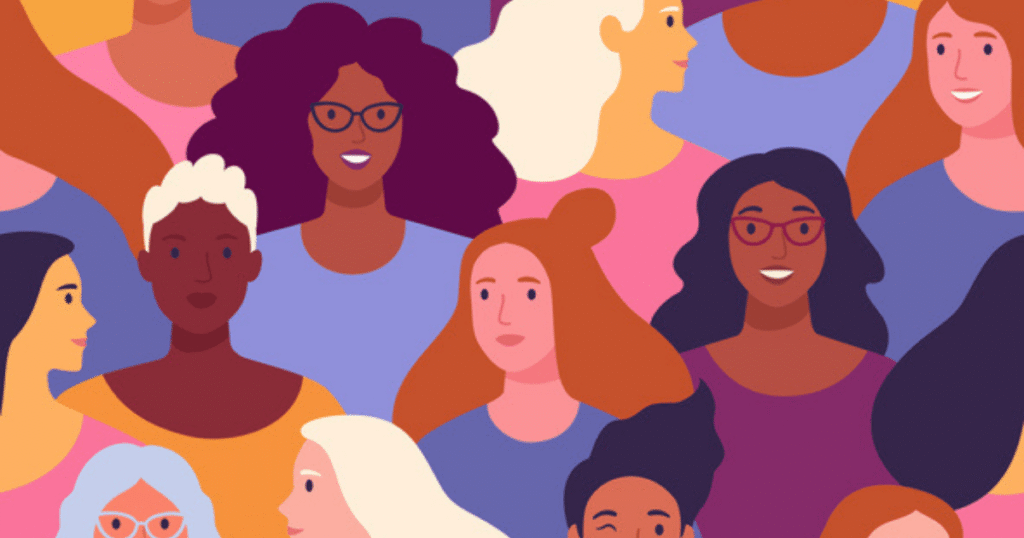
At its core, International Women’s Day (IWD) is a global day dedicated to celebrating the social, economic, cultural, and political achievements of women. Think of it as a massive, worldwide shoutout to all the incredible women who make the world go round.
But it is not just a giant party or an excuse for brands to give you a discount on pink products. It is also a loud, clear call to action. It is a day that draws serious attention to the ongoing fight for gender equality and women’s empowerment. It is a day to raise awareness about the unfair gaps in society and to rally support so we can build a future where women have the exact same rights and opportunities as anyone else.
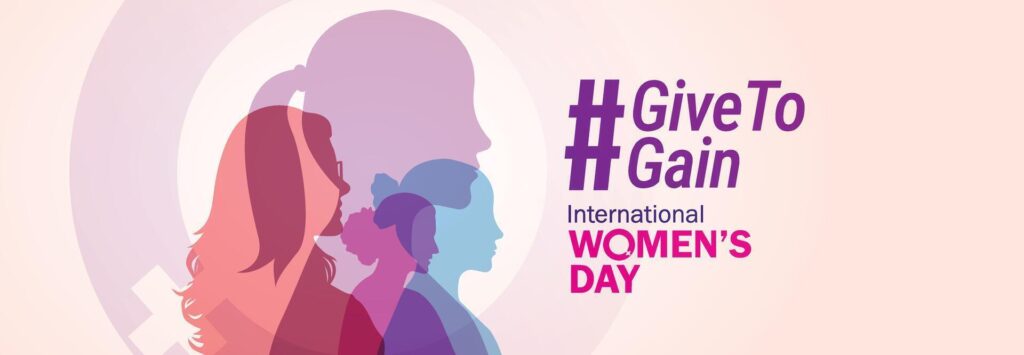
The 2026 Theme: 'Give to Gain'
Every year, International Women’s Day has a specific theme to help focus our energy and conversations. For 2026, the theme is incredibly inspiring: "Give to Gain."
I love this theme so much because it is so relatable and actionable. The Give to Gain campaign is all about inspiring people everywhere to embrace a spirit of true generosity.
But what does that really mean for you and me? It means that when we give our time to mentor a young girl, we gain a stronger future leader. When we give our support to a female-owned small business, we gain a healthier local economy. When we give our voices to stand up for a woman who is being talked over in a meeting, we gain a fairer workplace for everyone.
Give to Gain reminds us that helping women doesn't take away from anyone else. In fact, when we give to women, the whole world gains. When women are lifted up, families, communities, and entire countries rise with them.
A Quick Trip Back in Time: The History of the Day
You might be wondering, "How long has this day been a thing?" Well, International Women’s Day actually has more than a century of history! It is not a new internet trend.
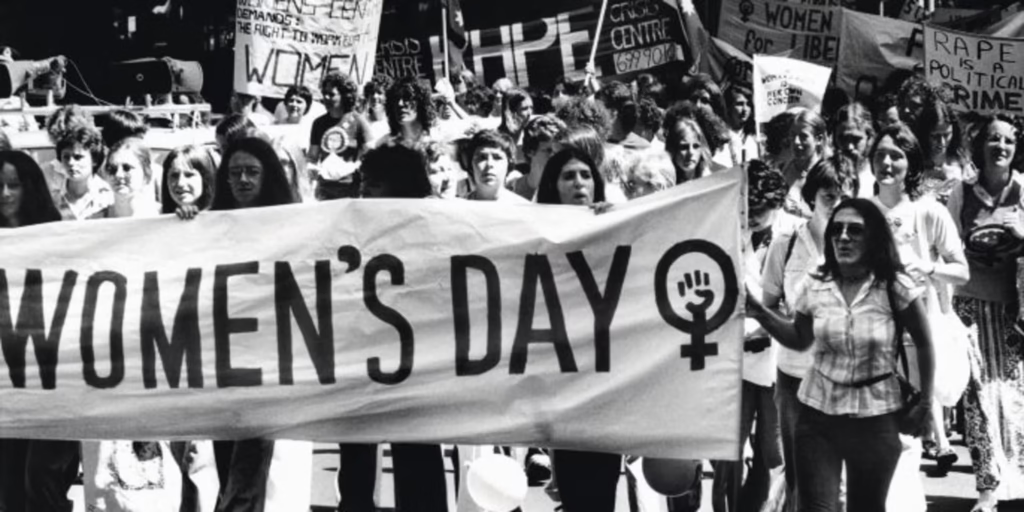
Let's rewind to the year 1908. Imagine the streets of New York City. Life was incredibly hard for women back then, especially for those working in factories. During this time, a massive labor movement was happening. Countless women, specifically textile workers, bravely marched through the streets of New York. What were they asking for? Just the basic human decencies: better wages, shorter working hours, and the right to vote. This powerful movement was led by the Socialist Party of America.
A few years later, in 1911, the very first International Women’s Day was officially celebrated in the United States and several European countries on March 19th. The movement kept growing and growing over the decades.
Finally, the United Nations officially stepped in and declared March 8th as International Women’s Day in the year 1975. Ever since then, March 8th has been the day we all pause, look back at how far we have come, and gear up for the work that is still left to do.
A Stark Contrast: Women Stand for Peace While Wars Rage On
Now, I want to pivot a bit and talk about the world we are living in right now in 2026. A recent article in the news pointed out a very heavy and striking contrast, carrying the headline: “Women’s day... while men slay.”
It is a tough thing to think about, but it is so true. Here we are, celebrating International Women’s Day, standing up for life, dignity, truth, and compassion. Meanwhile, if you turn on the news, the world feels like it is on fire. From tensions involving the US, Israel, and Iran, to the ongoing struggles in Ukraine, and the global anxiety over China and Taiwan it is overwhelming.
Historically and currently, the vast majority of these wars, military conflicts, and aggressive power plays are driven by men in leadership. The news is filled with stories of bombing, killing, and destruction.
This brings up a massive point about why Women's Day is so significant today. Women are historically the nurturers of life. We are the ones who birth life, raise families, and strive to keep communities together. To stop the world from slipping into a terrifying place where only violence and tyranny rule, women’s voices must become louder. We need more women in rooms where major political and global decisions are made. If we want to change the scary era we are living in and protect the future, we have to start valuing the female perspective on peace and life over the endless cycle of conflict.
The Elephant in the Room: Ending Harmful Traditions
As much as we celebrate the amazing strides women have made, I promised I wouldn't cut anything out of this conversation, even the hardest topics. We cannot talk about women's rights without talking about the women and girls whose most basic human rights are being violated right now, often in the name of culture or tradition.
One of the most heartbreaking issues still happening in 2026 is Female Genital Mutilation (FGM).
There’s more to life than simply increasing its speed.
By Udaipur Freelancer
Let me be absolutely clear, as human rights advocates have stated: FGM is not heritage, it is harm. Ending it is not about being culturally sensitive, it is a matter of clear moral right and wrong.
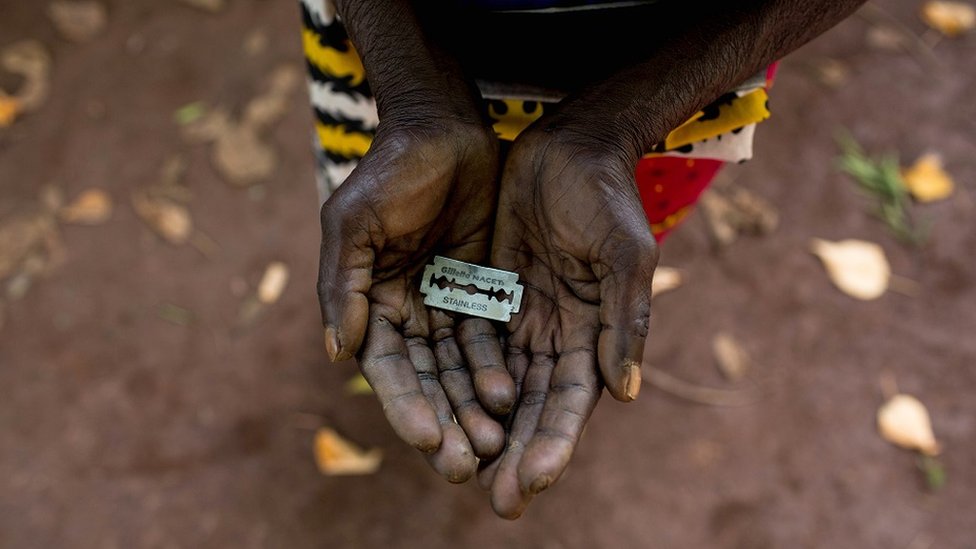
If you don't know what FGM is, it involves the partial or full removal of female genitals for absolutely no medical reason. It is done to control women's bodies, often hidden behind the excuse of purity, modesty, or keeping up with tradition.
You might think this only happens in far-off places, but it doesn't. Even in India, this deeply harmful practice persists. Recently, the Chief Justice of India, S.R. Gavai, openly acknowledged this harsh reality, stating that many girls continue to be tragically denied their fundamental rights and face harmful practices like FGM even today.
A brave human rights advocate named Sunita Tiwari has brought this massive issue to the spotlight by filing a Public Interest Litigation (PIL) seeking a complete ban on the practice. She points out that in the Dawoodi Bohra community in India, FGM is often soft-pedaled as 'female circumcision.' Studies estimate that a staggering 75 to 85 percent of Bohra women aged 15 to 65 have had this forced upon them. There are even fears it happens in other groups too, though we need more surveys to know the full truth.
The Devastating Impact We Cannot Ignore
We have to look at the numbers because they are shocking. According to a recent UNICEF report, an estimated 230 million girls and women alive today around the world have undergone FGM. Many of them were innocent children, cut before they even reached the age of 15. The UN Population Fund (UNFPA) estimates that over 4 million girls are at risk every single year.
This practice violates a woman’s constitutional rights her right to equality, privacy, and personal liberty. The World Health Organization (WHO) has spoken out loudly against it for years. FGM has zero health benefits. None. Instead, it inflicts lifelong physical and psychological torture.
Immediately after it happens, little girls face severe pain, bleeding, swelling, infections, and sometimes even death. As they grow up, survivors have to live with chronic pain, urinary tract infections, sexual dysfunction, and terrible complications when they try to have children of their own, sometimes leading to newborn deaths. In the most extreme forms, women have to undergo repeated surgeries just to open and reclose wounds for childbirth.
Psychologically, it leaves deep scars. Many women suffer from post-traumatic stress disorder (PTSD), anxiety, depression, and body aches that have no medical explanation other than the deep trauma they hold inside.
Shifting the Collective Consciousness
So, what do we do about this? We cannot just arrest our way out of this problem. Laws alone won't magically end it. FGM survives because it hides in the shadows. It hides behind closed doors, masked in the language of tradition and driven by the deep fear of being kicked out of the community.
To end FGM, we have to drag it out into the light. We need a massive shift in our collective consciousness. We need communities to replace the need for control with a respect for consent. We need to replace shame with dignity, and we need to replace silent obedience with open, honest dialogue.
Communities have to be brave enough to confront the myths that keep this practice alive. Policymakers have to speak up. Faith leaders absolutely must speak up. Doctors, teachers, mothers, and fathers must draw a line in the sand. Every single year we delay, millions more young girls risk losing not just a part of their physical bodies, but a piece of their future and their bodily autonomy.
Wrapping It All Up
As we look at everything International Women’s Day 2026 stands for, it is clear that our work is far from over. From fighting for peace in a world torn apart by men’s wars, to fighting for the bodily autonomy of little girls subjected to FGM, the battle for true equality continues.
But I don't want you to leave this blog post feeling hopeless. Remember our 2026 theme: 'Give to Gain.'
We all have something to give. You can give your voice to speak out against harmful traditions. You can give your vote to leaders who truly value peace and women’s rights. You can give your dollars to charities that protect vulnerable girls. You can give your respect and love to the women in your own life who are fighting their own quiet battles every single day.
No cultural justification can ever outweigh the harm of mutilation. No war is worth the destruction of innocent lives. What is at stake right now is not just culture or politics it is humanity itself.
Let’s use International Women’s Day 2026 to make a real promise to each other. Let’s promise to be generous with our support, fierce with our love, and loud with our voices. Let’s celebrate the incredible women who got us this far, and let’s become the women who will change the world for the generations coming next.
Thank you so much for reading, my friends. Please share this post with someone who needs to read it today, and let me know your thoughts in the comments below. How are you choosing to Give to Gain this year? Let's chat!
Udaipur Freelancer delivers high-quality web, marketing, and design solutions. We focus on building impactful digital experiences that help your brand succeed in today's market.










Recommended for you
Must-See Art Exhibitions Around the World This Year
The Revival of Classical Art in a Digital Age
Breaking Down the Elements of a Masterpiece Painting
The Revival of Classical Art in a Digital Age