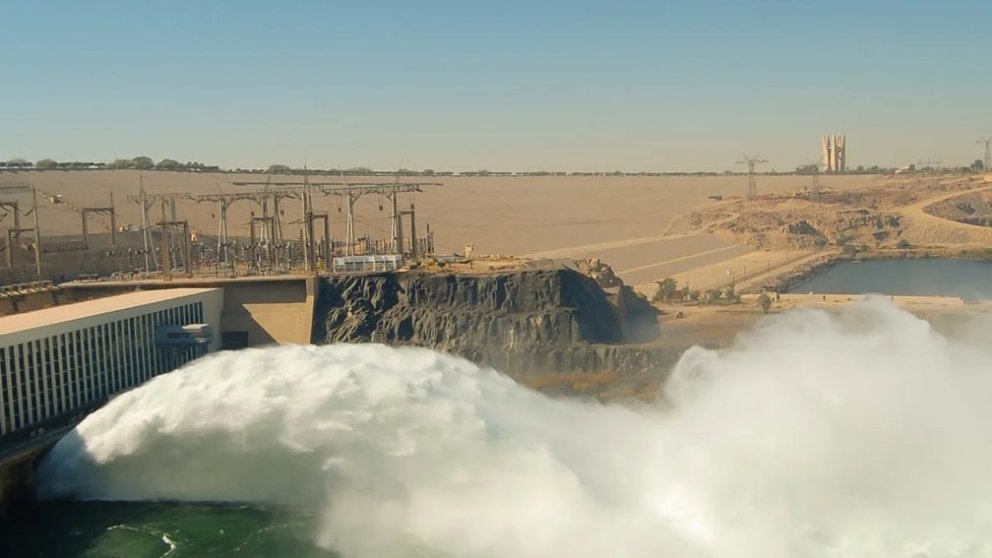
Water is essential for life, but getting clean drinking water to our homes requires a lot of hard work and good infrastructure. Recently, a major crisis occurred at the Pazhassi dam when heavy silt buildup disrupted the local drinking water treatment process. Thousands of families are now facing water shortages, highlighting how closely our natural environment affects our daily lives.
Silt is a mixture of fine sand, mud, and clay carried by running river water. When water flows into a dam reservoir, it slows down, allowing these heavy particles to sink to the bottom. Over time, if the reservoir is not maintained, thick layers of mud accumulate, causing severe problems for water supply systems.
What Caused the Crisis at Pazhassi Dam?
The Pazhassi dam serves as a primary water source for nearby towns and villages. During recent heavy rains, large amounts of mud and loose soil were washed down from surrounding hills into the river basin. This sudden surge created highly muddy, turbid water flowing directly into the reservoir.
When heavily silted water enters treatment facilities, the cleaning machinery faces extreme stress. Modern filtration systems are designed to remove small amounts of dirt, not thick slurry. As a result, sand filters clog rapidly, pumps run the risk of breaking, and operators are forced to shut down operations to clean the equipment.
How Silt Disrupts Daily Life for Local Residents
When water treatment plants pause operations, local communities feel the impact immediately. Taps run dry, and residents are forced to find alternative water sources for drinking, cooking, and sanitation. Daily household activities become difficult and time-consuming.
During water shutdowns, families often rely on private water tankers or bottled water, which increases daily living expenses. Schools, hospitals, and local businesses also suffer because clean water is vital for keeping facilities hygienic and operational.
Why Does Silt Accumulate in Reservoir Basins?
Siltation in rivers happens naturally, but human activities speed up the process significantly. Deforestation along riverbanks removes tree roots that normally hold the soil together. Without trees, rain easily washes topsoil into the river stream.
Unplanned land development and poor soil management along catchment areas also contribute to heavy erosion. Just as effective forest management policies help protect natural ecosystems, proper land use controls are necessary around river basins to stop excessive soil runoff from entering water reservoirs.
There’s more to life than simply increasing its speed.
By Udaipur Freelancer
How Water Treatment Plants Handle High Mud Levels
Water treatment plants follow specific steps to convert raw river water into safe drinking water. They add clarifying chemicals that bind dirt particles together so they sink to the bottom of settling tanks. The clearer top layer of water then passes through sand filters to remove remaining impurities.
However, when muddy water is extremely thick, these chemical processes demand much higher doses of treatment agents. Sand filters become saturated in hours rather than days, requiring frequent backwashing. Backwashing uses large quantities of treated water, creating a wasteful cycle during an already critical supply shortage.
Long-Term Solutions for Water Security
To stop siltation from creating regular drinking water shortages, local governments must implement long-term solutions. One essential task is regular desilting, which involves using specialized equipment to remove deep mud deposits from the reservoir bed, restoring original water storage capacity.
Another vital step is planting trees and restoring natural vegetation along riverbanks. Catchment area planting holds topsoil in place and naturally filters rainwater before it reaches the dam. Much like focused administrative efforts in cities resolve public service bottlenecks, structured coordination between environmental departments and water boards is necessary to preserve drinking water supplies.
Conclusion
Access to clean drinking water is a fundamental right for every community. The situation at Pazhassi dam serves as an important reminder of the connection between healthy natural ecosystems and urban infrastructure. By prioritizing watershed protection, regular dam desilting, and smart resource management, communities can protect their water supplies for years to come.














Recommended for you
Must-See Art Exhibitions Around the World This Year
The Revival of Classical Art in a Digital Age
Breaking Down the Elements of a Masterpiece Painting
The Revival of Classical Art in a Digital Age