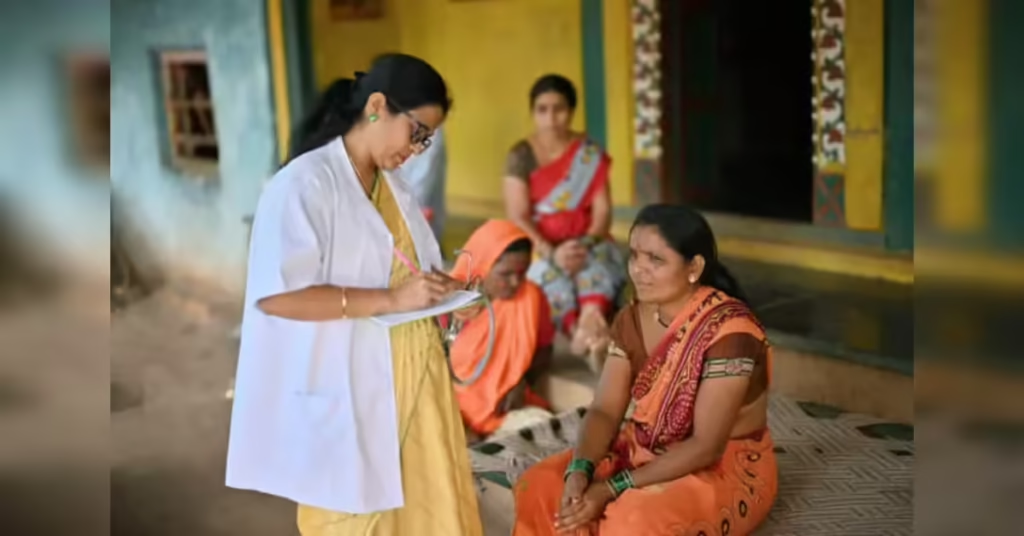
Cervical cancer has long been a silent but devastating threat to women’s health in India. For decades, it has stood as one of the leading causes of cancer-related deaths among Indian women, devastating families and communities. However, a historic turning point is finally on the horizon.
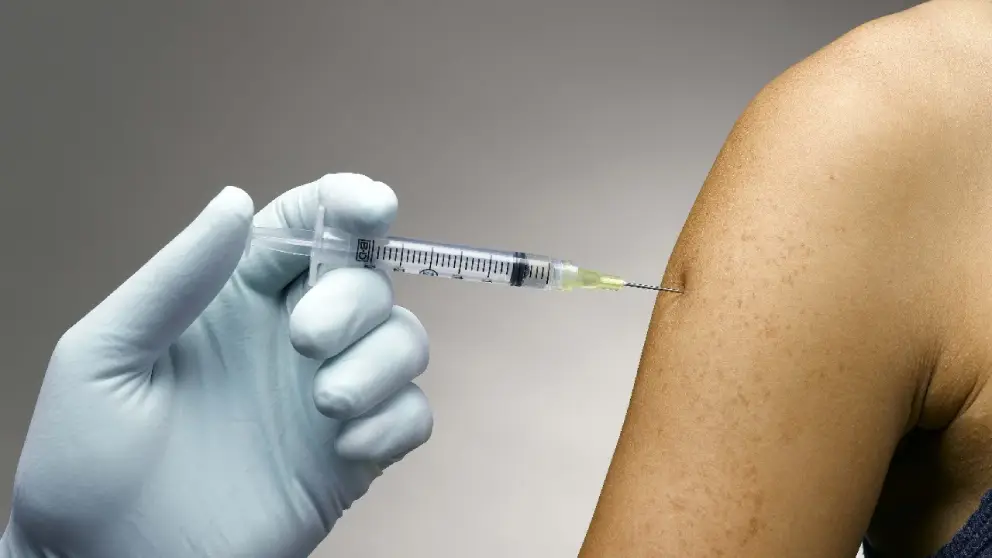
Following a major women's health promise made during the Union Budget 2024, the Government of India is gearing up to launch a massive, nationwide Human Papillomavirus (HPV) vaccination programme. Expected to roll out within days, this initiative marks a monumental step toward eradicating cervical cancer and securing a healthier future for millions of young girls.
Here is a deep dive into what this nationwide HPV vaccination campaign entails, why it matters, and how it will transform public health in India.
The Big News: A Shield for the Next Generation
For over two years, public health experts and advocates have eagerly awaited the fulfillment of the government's promise to tackle cervical cancer head-on. According to government sources, the wait is almost over.
The upcoming campaign is highly targeted, focusing specifically on 14-year-old girls. The scale of this initiative is staggering and reflects the sheer size of India's population. Under this ambitious programme, the Centre aims to administer a massive 3.4 crore (34 million) vaccine doses by the year 2027.
By targeting young, adolescent girls before they are likely exposed to the virus, the government is focusing on absolute prevention stopping the cancer from ever having a chance to develop.
Understanding the Enemy: Why the HPV Vaccine is Crucial
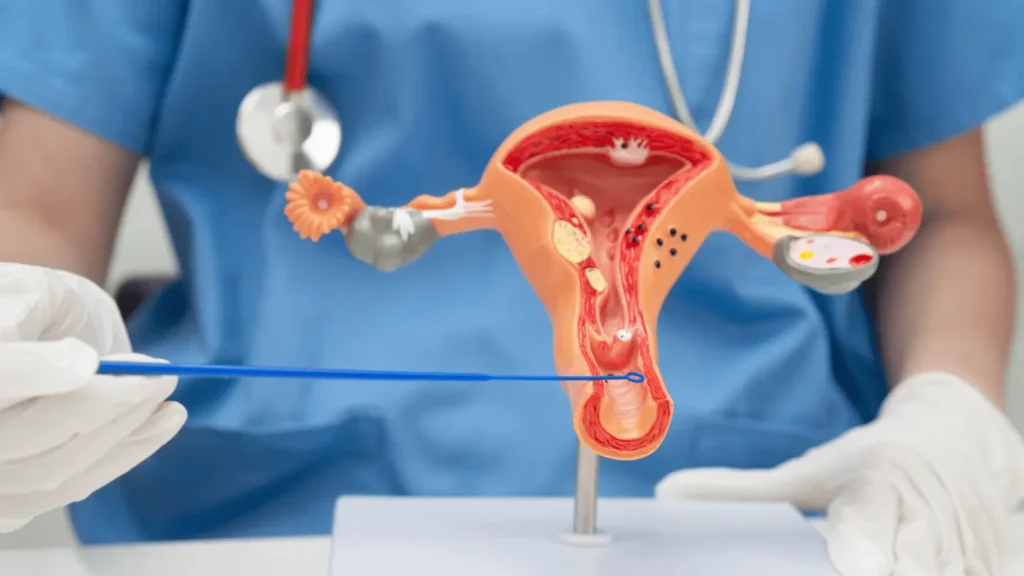
To understand the magnitude of this initiative, one must understand the threat. Cervical cancer is almost exclusively caused by persistent infections with high-risk strains of the Human Papillomavirus (HPV). While HPV is a very common virus, certain types can lead to cellular changes in the cervix that, over many years, develop into cancer.
Historically, India has borne a massive portion of the global cervical cancer burden. Due to a lack of widespread screening (like Pap smears) and previous lack of access to preventive vaccines in rural and lower-income demographics, many Indian women are diagnosed at later, harder-to-treat stages.
The introduction of this vaccine at a national, free-of-cost level shifts the paradigm from treating the disease to actively preventing it.
The Vaccine Arsenal: Gardasil and the Role of Gavi
A vaccination drive of this magnitude requires an immense supply chain and top-tier medical resources. The government has confirmed the specifics of the vaccine that will be used to protect India's daughters.
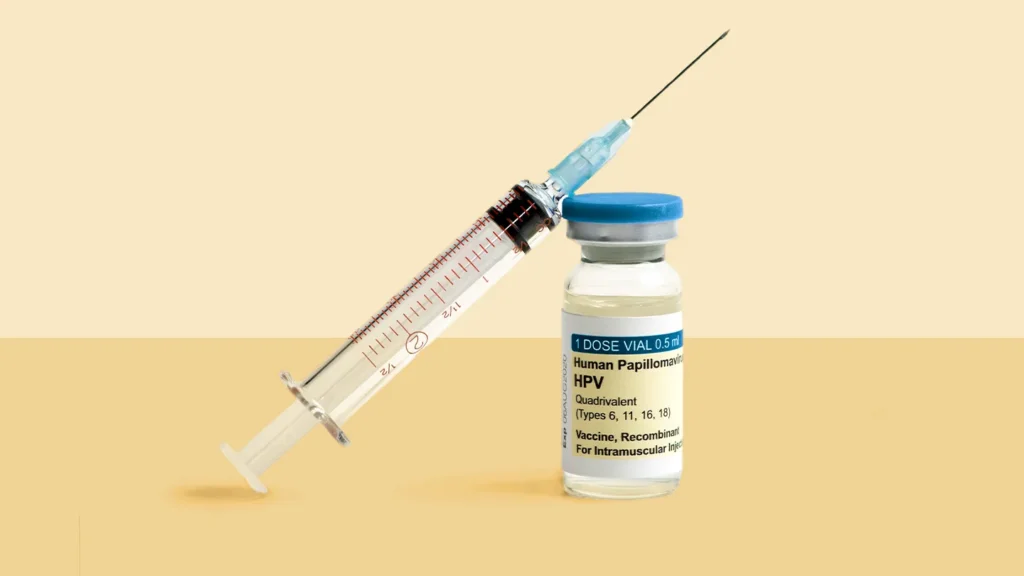
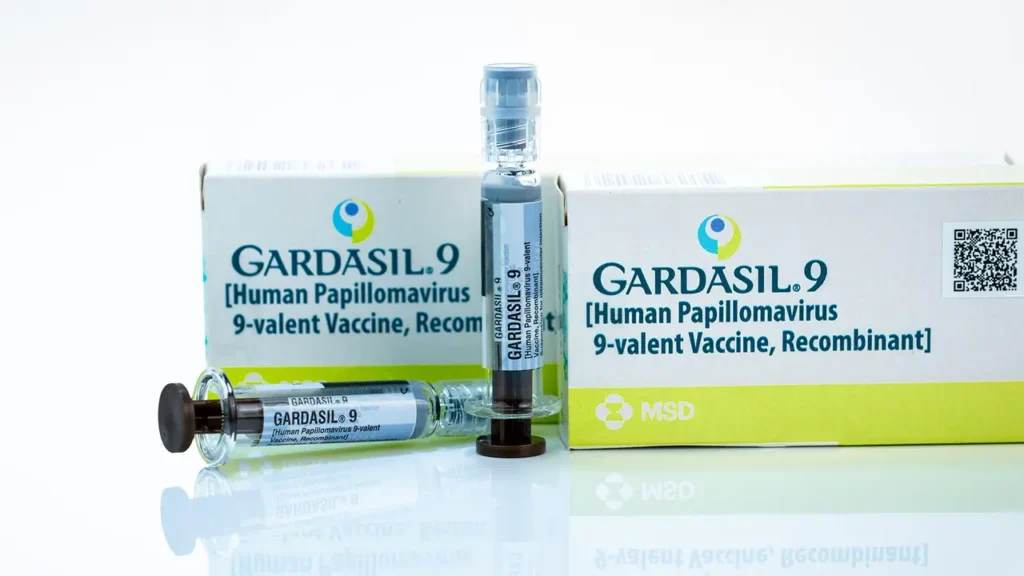
The campaign will utilize Gardasil, a highly effective and globally trusted HPV vaccine manufactured by the pharmaceutical giant Merck.
Furthermore, India is not acting alone in securing these vital medical supplies. More than 1 crore (10 million) doses will be supplied to India with crucial support from Gavi, the Vaccine Alliance. Gavi’s involvement ensures that developing and middle-income nations have equitable access to life-saving vaccines, making this massive rollout financially and logistically feasible for the Indian government.
The Science of the Single Dose Strategy
One of the most notable aspects of this upcoming campaign is the dosage strategy. Traditionally, HPV vaccines have been administered in two or three doses. However, the Indian government’s campaign will utilize a single-dose approach for these young girls.
Is one dose enough? The answer is a resounding yes.
There’s more to life than simply increasing its speed.
By Udaipur Freelancer
Government sources and health experts have confirmed that strong global and Indian scientific evidence shows that a single dose of the HPV vaccine provides robust, highly effective, and durable protection when administered to girls in this specific adolescent age group.
This single-dose strategy is a game-changer. It drastically simplifies the logistics of the nationwide rollout, reduces the burden on healthcare workers, and ensures that girls don't miss out on protection due to missed follow-up appointments.
Swastha Nari: A Broader Vision for Women's Health
This vaccination drive is not an isolated event, it is a core pillar of the government’s larger, long-term vision known as Swastha Nari (Healthy Woman).
The Swastha Nari initiative places a heavy emphasis on preventive healthcare for adolescent girls. The philosophy is simple, a healthy girl becomes a healthy woman, who in turn fosters a healthy family and a thriving nation. By investing in the health of 14-year-olds today, the government is actively reducing the future medical, emotional, and economic burden of cancer on the country's healthcare system.
Joining the Global Fight Against Cervical Cancer
When the rollout begins, India will officially join the ranks of over 140 countries worldwide that have already successfully integrated the HPV vaccination into their routine national immunization schedules.
Countries like Australia and the United Kingdom, which implemented nationwide HPV vaccination years ago, are already seeing drastic, near-elimination levels of cervical cancer in younger generations. By following this globally proven blueprint, Indian health experts expect this move will significantly reduce the future burden of cancer-related deaths among Indian women.
An Urgent Call to Parents and Guardians
While the government is providing the vaccines, the infrastructure, and the funding, the ultimate success of this programme relies on the public.
Government officials and public health workers are issuing an urgent plea to parents and guardians across the country, Ensure your eligible daughters receive this vaccine once the programme is rolled out.
Vaccine hesitancy or lack of awareness can be the biggest hurdles in public health campaigns. It is vital for parents to understand that this vaccine is safe, scientifically proven, and represents a literal shield against a deadly disease. Early vaccination is the key to protecting millions of young girls and moving India closer to its ultimate goal, eliminating cervical cancer as a public health threat entirely.
Conclusion: A Historic Step Forward
The impending launch of India’s nationwide HPV vaccination programme is more than just a medical campaign. it is a promise kept to the women of India. By targeting 14-year-old girls with a scientifically backed single dose of the Gardasil vaccine, supported by Gavi and the Swastha Nari initiative, India is taking a monumental leap forward.
Cervical cancer has claimed too many lives. With this rollout, India is finally drawing a line in the sand, ensuring that the next generation of women can live fuller, healthier lives free from the shadow of this preventable disease.
Udaipur Freelancer delivers high-quality web, marketing, and design solutions. We focus on building impactful digital experiences that help your brand succeed in today's market.















Recommended for you
Must-See Art Exhibitions Around the World This Year
The Revival of Classical Art in a Digital Age
Breaking Down the Elements of a Masterpiece Painting
The Revival of Classical Art in a Digital Age