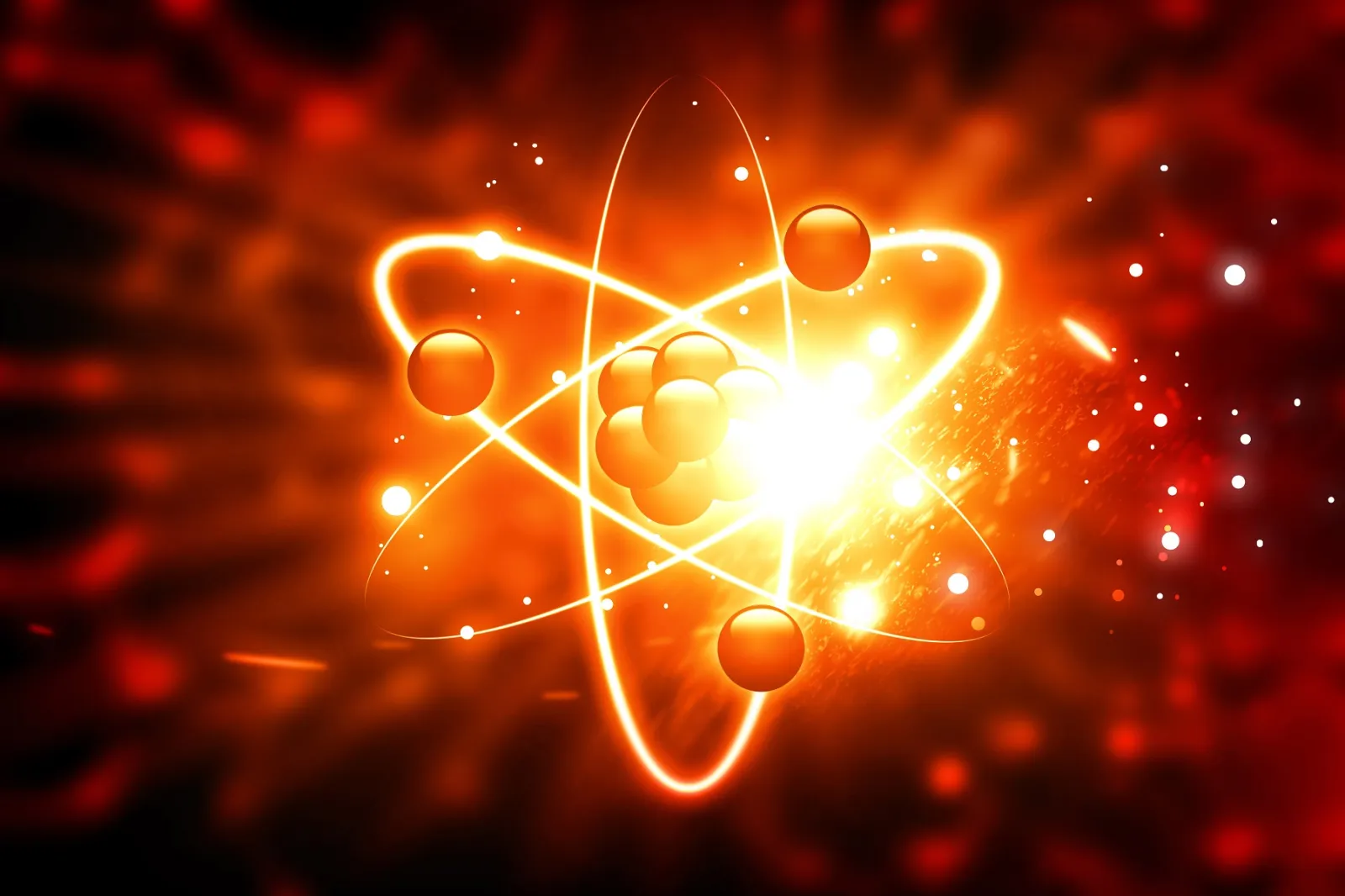
For decades, the dream of harnessing the power of the stars has been the ultimate holy grail of physics a promise of virtually limitless, carbon-free energy that could solve our global climate crisis overnight. While nuclear fusion was long joked about as being thirty years away and always will be, recent historic breakthroughs have finally shifted that timeline from a distant hope to a tangible reality. By recreating the same process that powers the sun fusing hydrogen atoms together to release immense amounts of energy scientists are no longer just theorizing about a clean energy future. they are actively building the foundation for it. This shift marks a monumental turning point in human history, moving us away from the combustion of fossil fuels and toward a paradigm of energetic abundance.
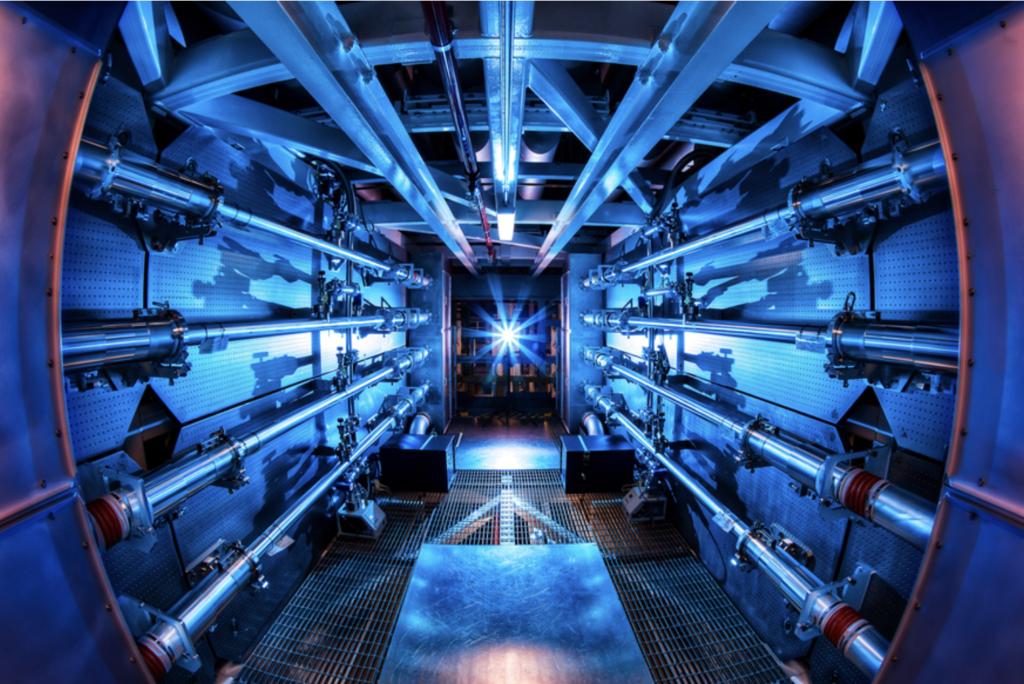
The most significant catalyst for this renewed optimism occurred when researchers at the National Ignition Facility achieved fusion ignition, a process where the energy produced by a fusion reaction actually exceeds the energy used to trigger it. This milestone, often referred to as net energy gain, proved that we can successfully replicate the core of a star under controlled laboratory conditions. Following this, record-breaking experiments in Europe and Asia have demonstrated the ability to sustain these high-temperature plasmas for longer durations than ever before. These achievements are not just academic victories. they represent the successful navigation of the most complex engineering challenges humanity has ever faced, proving that the physics of fusion is finally working in our favor.
What makes these breakthroughs so revolutionary is the inherent safety and sustainability of the fusion process compared to traditional nuclear fission. Unlike the nuclear power we use today, fusion produces no long-lived radioactive waste and carries zero risk of a meltdown, as the reaction simply stops if the plasma is disturbed. The fuel required isotopes of hydrogen can be extracted from plain seawater, meaning that a few gallons of water could theoretically power a household for hundreds of years. This shift toward a fuel source that is both ubiquitous and safe eliminates the geopolitical tensions often associated with oil and gas, offering every nation the chance at energy independence and long-term price stability.
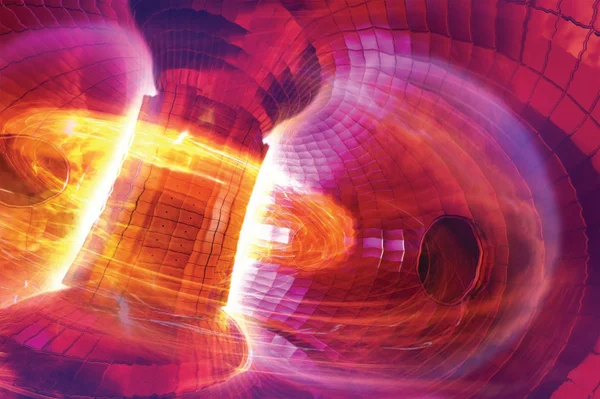
The momentum is further accelerated by a massive influx of private capital and the emergence of high-tech startups that are utilizing artificial intelligence and advanced superconducting magnets to shrink the size of fusion reactors. These new technologies allow us to contain the 150-million-degree plasma in much smaller, more efficient tokamaks and stellarators, significantly lowering the cost and time required to get a pilot plant on the grid. We are seeing a transition from government-funded science experiments to a competitive industrial race, where the goal is no longer just can we do it, but how fast can we scale it. This synergy between public research and private innovation is shortening the path to commercialization at a rate that was unthinkable even a decade ago.
There’s more to life than simply increasing its speed.
By Udaipur Freelancer
As we look toward the horizon, the path to a fusion-powered grid still requires overcoming significant engineering hurdles, such as developing materials that can withstand the intense neutron bombardment inside a reactor. However, the recent string of first-of-their-kind successes has provided the proof of concept needed to justify the massive global effort currently underway. We are standing on the precipice of a new era where energy is no longer a finite, polluting resource, but a clean, inexhaustible utility. By successfully mimicking the power of the sun here on Earth, we are not just solving the energy crisis. we are unlocking the potential for a truly sustainable civilization that can thrive for generations to come.
















Recommended for you
Must-See Art Exhibitions Around the World This Year
The Revival of Classical Art in a Digital Age
Breaking Down the Elements of a Masterpiece Painting
The Revival of Classical Art in a Digital Age