Power department workers in Haryana have started a three-day state-wide strike today. This major step comes after formal meeting talks between employee union leaders and government officials failed to reach an agreement. People across the state are now worried about potential power cuts, daily disruptions, and issues with essential services. If you live in Haryana or run a local business, understanding what led to this strike is essential.
Why Are Haryana Power Employees Protesting?
The electricity department employees have been placing several demands before the state government for a long time. For many months, union representatives have raised concerns over workplace policies. One of the primary demands is stopping the move toward privatization in the state power sector. Workers feel that outsourcing power services harms job security and eventually increases electricity prices for regular household consumers.
Another primary demand is the regularisation of temporary and contractual staff members. Thousands of contractual workers have served in power stations for years without formal job security or full benefits. Unions are also demanding the implementation of the Old Pension Scheme, filling thousands of vacant posts across divisions, and providing equal pay for equal work. To read more about various societal issues and trending topics, you can explore UF blogs.
Why Did Negotiations Fail?
Before deciding to go on a strike, union representatives met with senior management and state government representatives. The workers hoped to receive written assurances regarding their long-pending issues. However, official representatives could not offer firm solutions or accept key demands during the dialogue.
Because the discussions ended without concrete solutions, the joint action committee declared a total work boycott for three days. They stated that technical staff, administrative workers, and field repair units would participate in the protest movement, suspending non-emergency administrative duties.
Possible Impact on Public and Businesses
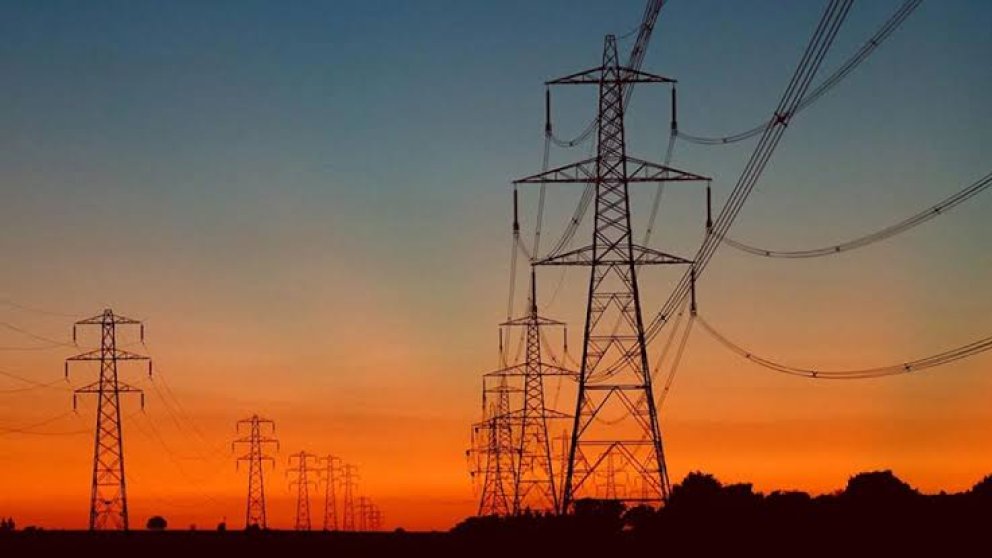
When public power employees go on strike, daily routines can be affected quickly. Since field technicians are protesting, fixing sudden cable faults, transformer breakdowns, or local power line cuts might take much longer than usual. Household water supplies could also suffer, as municipal pumps depend on steady electricity.
Small shops, commercial complexes, and production units are making backup arrangements with generators. Sudden utility interruptions often cause high stress for families and business owners. Taking care of personal health during stressful situations is vital, and reading about 4 silent heart attack triggers in India helps people remain mindful of their health under stress.
There’s more to life than simply increasing its speed.
By Udaipur Freelancer
Government Measures and Alternative Plans
To avoid severe public disruption, the Haryana government and power management have asked non-striking staff, senior engineers, and temporary officers to manage grid operations. Security has been strengthened near important electrical substations and power plants to avoid damage or unlawful entries.
Officials claim that they are monitoring power transmission continuously to ensure uninterrupted supply. However, employee representatives point out that keeping full supply running smoothly without field workers for three continuous days will be difficult if major technical failures occur.
Simple Steps for Citizens to Prepare
Preparation can help reduce inconvenience during the strike period. Here are easy steps to follow over the next three days:
1. Fully charge mobile phones, laptops, and emergency lamps whenever power is available.
2. Fill water tanks completely, as water pumping depends heavily on power availability.
3. Limit the use of heavy appliances like washing machines or air conditioners to prevent local transformer overload.
4. Keep basic emergency phone numbers of local civic offices and power complaint centers saved.
5. Store emergency lights and basic medical supplies in easily accessible places at home.
Conclusion
The next 72 hours are crucial for Haryana. If power supply disruptions affect wide areas, pressure will build on both the state government and employee unions to resume talks. Both sides need to work toward balanced solutions that protect worker rights while keeping basic public services running smoothly. Staying informed and keeping backup plans ready will help residents handle the strike period comfortably.













Recommended for you
Must-See Art Exhibitions Around the World This Year
The Revival of Classical Art in a Digital Age
Breaking Down the Elements of a Masterpiece Painting
The Revival of Classical Art in a Digital Age