Have you ever wondered what goes on behind the closed doors when our country faces a major crisis? We see the news, we hear the official statements, but the real, heart-pounding moments often remain a secret.
Well, some of those secrets are now coming to light.
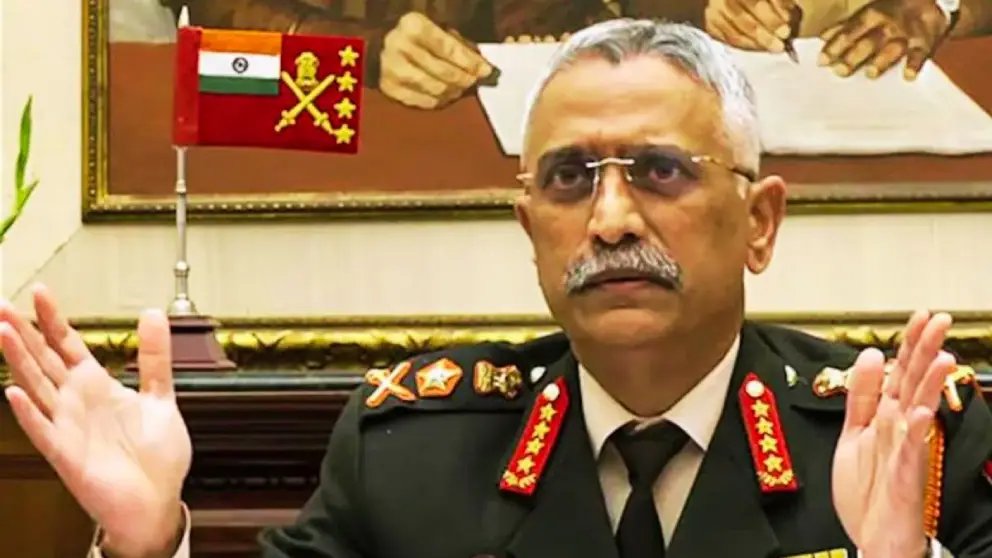
General MM Naravane, who served as the Chief of the Indian Army from 2019 to 2022, has penned down his experiences in his upcoming memoir, 'Four Stars of Destiny'. And let me tell you, the stories he shares are straight out of a thriller movie. One of the most gripping accounts is about a tense night during the 2020 border standoff with China in Ladakh.
Let's dive into what really happened on that nail-biting night.
The Night That Held India's Breath: August 31, 2020
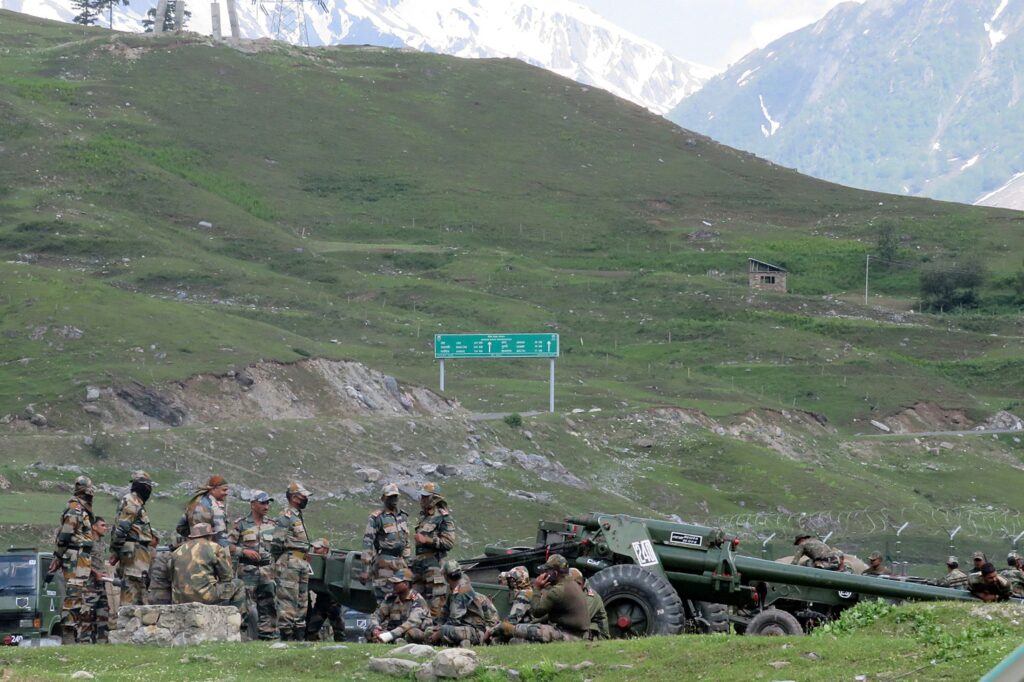
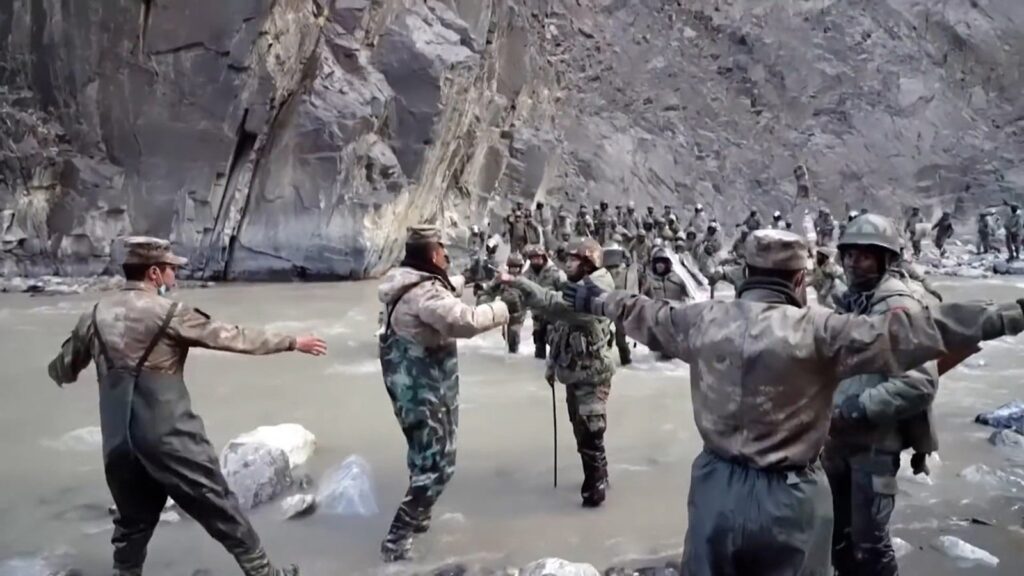
Imagine this, It’s 10:30 PM. The air in Ladakh is freezing, and the tension between India and China is at an all-time high. The Galwan Valley clash had already happened a couple of months earlier, and both armies were staring each other down.
Suddenly, the phone rings on General Naravane’s desk. It’s the Northern Army Commander, Lt Gen YK Joshi, on the line. The news is alarming.
A unit of Chinese PLA (People's Liberation Army) tanks four heavy and six medium ones was on the move. They were heading straight towards Rechin La, a critical mountain pass on the Line of Actual Control (LAC). Our brave soldiers on the ground had fired illuminating rounds to warn them off, but the Chinese tanks just kept coming.
The orders for our troops at that moment were crystal clear, "Do not open fire until cleared from the very top." The situation was incredibly delicate. One wrong move could lead to a full-blown conflict.
A Race Against Time: Calls to the Top Brass
With Chinese tanks rolling forward, General Naravane knew he had to act fast. He immediately picked up the phone and called the most powerful people in India's security establishment.
He briefed Defence Minister Rajnath Singh, National Security Advisor (NSA) Ajit Doval, and the then Chief of Defence Staff (CDS), the late General Bipin Rawat.
After explaining the grave situation, he asked a simple but heavy question: "What are my orders?"
The minutes felt like hours. The phones were buzzing constantly. At 9:30 PM, the tanks were still advancing. By 10:00 PM, General Naravane was on the phone again with the Defence Minister and the NSA, giving them live updates. The tension was so thick you could cut it with a knife.
The Hot Potato Moment: A Decision of a Lifetime
Just when things couldn't get any more intense, they did.
At 10:30 PM, the phone rang one more time. The news from the ground was chilling, the Chinese tanks were now just 500 meters away from our positions. That's dangerously close.
There’s more to life than simply increasing its speed.
By Udaipur Freelancer
General Naravane immediately conveyed the seriousness of the situation to the Defence Minister, Rajnath Singh. This was the moment of truth. What would the government decide?
The Defence Minister’s response was something General Naravane would never forget. After a brief moment, he got a call back from Mr. Singh, who told him that this was now purely a military decision.
He said, "Jo uchit samjho woh karo."
This simple Hindi sentence translates to, "Do whatever you deem is appropriate."
In that one sentence, the entire responsibility of the nation's next move was placed squarely on the shoulders of the Army Chief.
Recalling that moment, General Naravane writes, "I had been handed a hot potato." He felt a mix of relief and immense pressure. The political leadership had shown complete faith in him and the army.
He describes the scene vividly, "With this carte blanche, the onus was now totally on me. I took a deep breath and sat silently for a few minutes. All was quiet save for the ticking of the wall clock."
Can you even imagine the weight of that moment? The fate of the situation, and potentially the country, rested on his next command.
Why This Revelation Is So Important
This behind-the-scenes story is more than just a thrilling anecdote. It gives us a rare and valuable insight into how crises are managed at the highest level.
- Trust in the Military: It shows the incredible trust the government placed in the Indian Army's leadership to make the right call under extreme pressure.
- Leadership Under Fire: It highlights the immense responsibility and calm-headedness required of a leader like General Naravane. It’s one thing to command an army, and another to do it when you’re minutes away from a potential war.
- A Glimpse of Reality: It reminds us that for every news report we read, there are real people making life-or-death decisions in real-time, away from the public eye.
General Naravane's book is currently under review by the Ministry of Defence, which is standard procedure. But these early glimpses promise a memoir filled with courage, leadership, and untold stories of the Indian Army.
It’s a powerful reminder of the silent battles our soldiers and their leaders fight every day to keep us safe.
What do you think about this incredible story of leadership under pressure? Let me know your thoughts in the comments below












Recommended for you
Must-See Art Exhibitions Around the World This Year
The Revival of Classical Art in a Digital Age
Breaking Down the Elements of a Masterpiece Painting
The Revival of Classical Art in a Digital Age