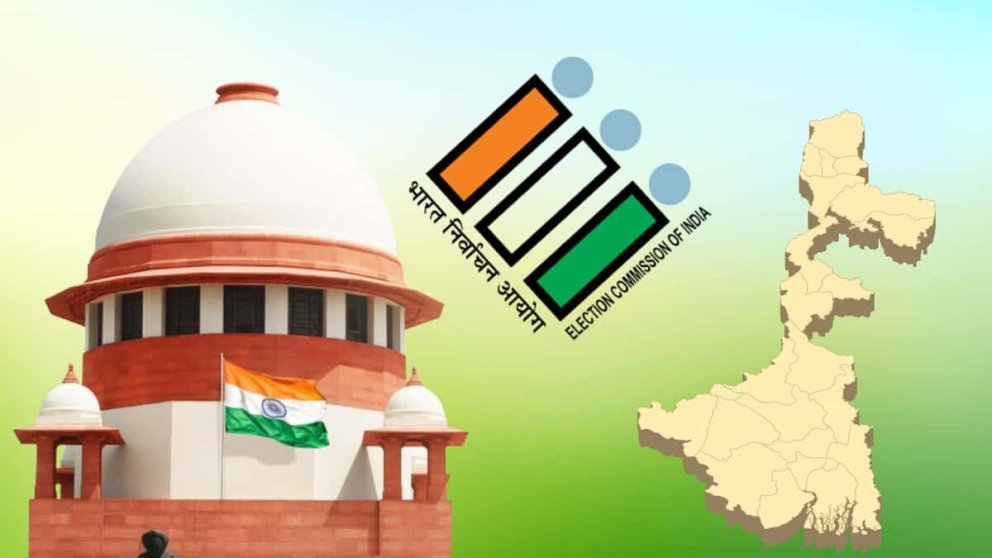
Elections are the core of any free country. When people go to the ballot box, they choose their future. But what happens when the body meant to protect this process faces serious questions? Recently, discussions about the Election Commission of India and its actions in West Bengal have sparked huge debates. People are talking about fairness, rules, and how political events unfold. Much like how fans look closely at a football strategy, citizens are watching every move made by authorities during election season.
The Role of the Election Commission
The Election Commission of India has a very big job. It must make sure that every vote is cast without fear or force. It is supposed to stand in the middle, helping no single party over another. When elections happen in big states like West Bengal, the tension is always high. Political parties fight hard, and emotions run wild. In these times, the Commission must act as a strong shield for democracy. If people start to doubt its fairness, the whole system shakes.
Many critics worry that the rules are not applied equally. When power and politics mix, the lines can blur. Just as a traveler needs clear updates to avoid trouble like a sudden flight disruption, voters need clear and honest rules. They need to trust that the referee on the field is not taking sides. Sadly, recent events in West Bengal have left many citizens asking tough questions about whether the playing field is truly level.
Tensions in West Bengal
West Bengal has a long history of intense political battles. Elections here are rarely quiet. They involve massive rallies, sharp speeches, and deep rivalry between local and national parties. Because of this high heat, the role of central bodies becomes even more critical. When complaints arise about unfair treatment, the Election Commission must respond quickly and clearly. Silence or slow action only makes the public more suspicious.
Democracy is not just about holding a vote on a specific day. It is about the freedom to campaign, speak, and think without looking over your shoulder. When rules restrict movement or speech unfairly, it feels like democracy is being frozen in time. Citizens want action that protects their rights, not actions that limit their voice. The local leaders and the central authorities must find a balance that respects the law while keeping the spirit of freedom alive.
There’s more to life than simply increasing its speed.
By Udaipur Freelancer
Why Public Trust Matters
Trust is the invisible glue that holds a democratic nation together. Once that trust is broken, it is very hard to fix. If voters believe that the umpire is biased, they lose faith in the outcome. This is dangerous for the future of the country. Leaders come and go, but the institutions must remain strong and respected. The Election Commission of India holds a sacred duty to protect this trust at all costs.
As the political drama in West Bengal continues to unfold, all eyes remain fixed on the authorities. Will they step up and prove their independence? Or will doubts continue to grow? Only time will tell. But one thing is certain: the voice of the people cannot be frozen forever. Democracy survives because ordinary citizens care deeply about their rights and demand fairness from those in power.











Recommended for you
Must-See Art Exhibitions Around the World This Year
The Revival of Classical Art in a Digital Age
Breaking Down the Elements of a Masterpiece Painting
The Revival of Classical Art in a Digital Age