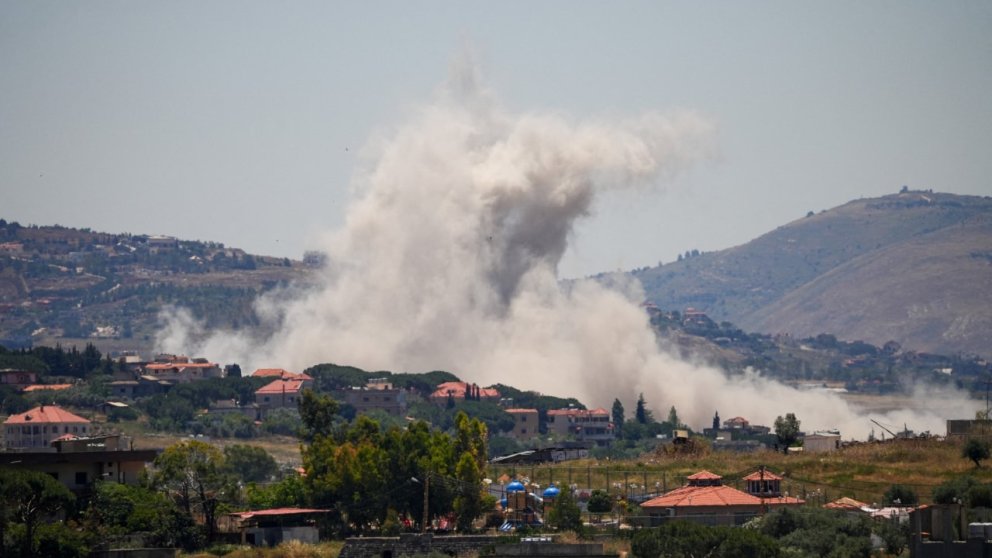
Recent news from the Middle East has left many people worried. Just hours after a ceasefire was announced between Israel and the Hezbollah group, violence erupted again in southern Lebanon. At least five people were killed in new Israeli airstrikes and drone attacks. This shows how difficult it is to bring peace to this troubled region.
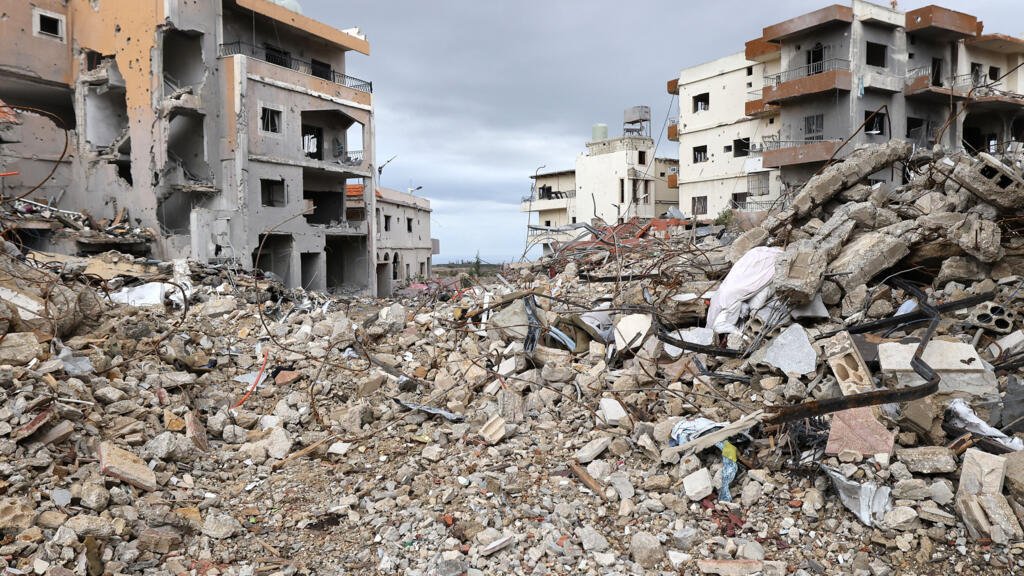
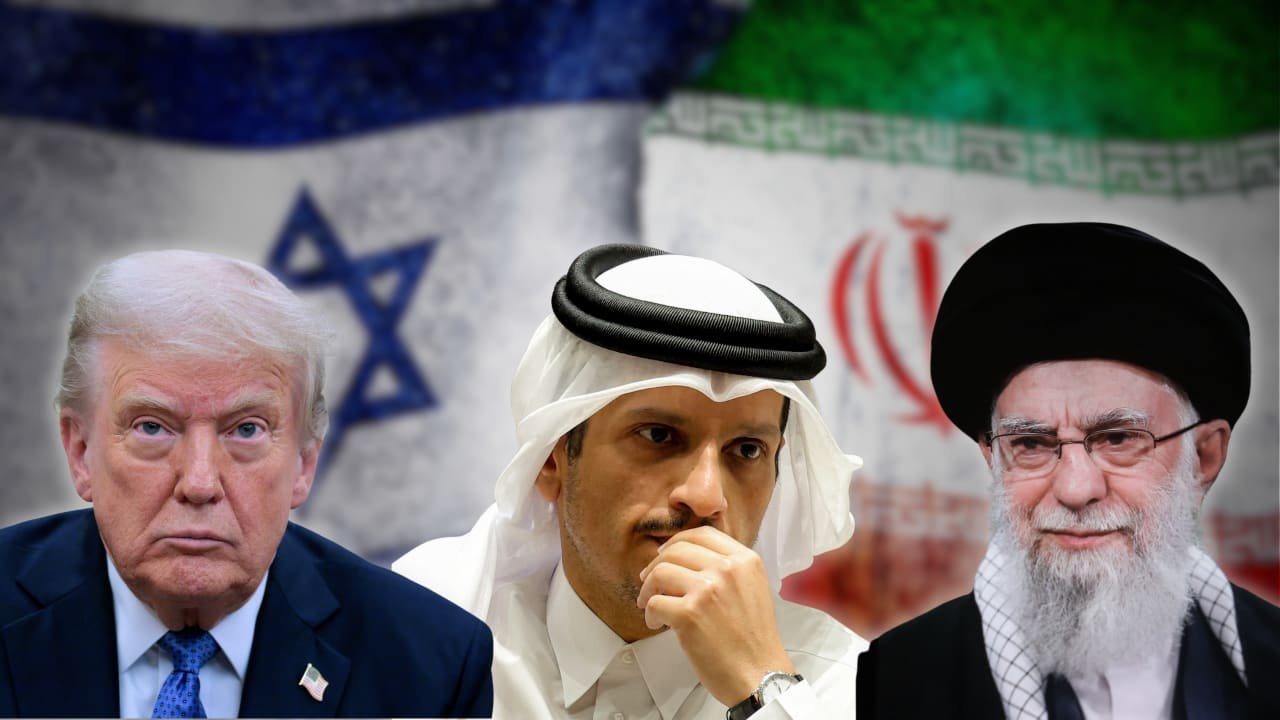
The ceasefire was supposed to stop the fighting. It was negotiated with help from the United States, Qatar, and Iran. Many hoped this agreement would stabilize the border and stop the suffering of civilians. Instead, residential buildings in the Nabatieh region were destroyed by overnight strikes and artillery fire.
Why the Fighting Matters
The conflict between these groups has real impacts on the world. Much like the future of global markets, regional security is fragile and easily shaken by local wars. When violence breaks out, it affects trade, diplomacy, and the safety of people living in these areas. The recent deaths have made it clear that a piece of paper is not enough to stop years of tension.
Israel claims that its military still has the right to defend itself. An Israeli spokesperson stated that their forces will continue to act if they see threats. They accused Hezbollah of trying to keep its military infrastructure hidden, which they say violates the truce agreements. This back-and-forth blame game is a common feature in this long-lasting conflict.
Global Diplomacy and Future Risks
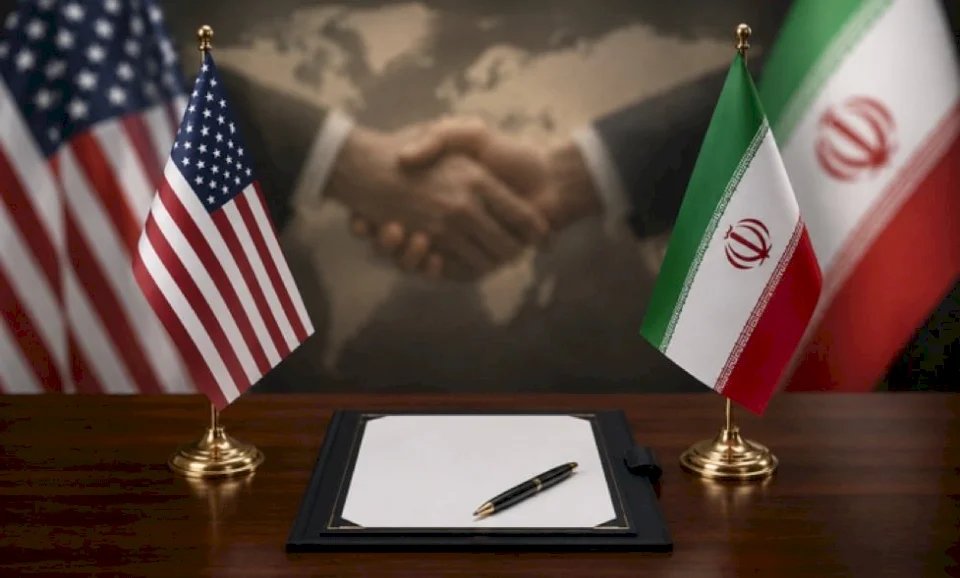
The current situation is also slowing down important international talks. Planned discussions between the United States and Iran in Switzerland were meant to address security issues and the future of critical waterways like the Strait of Hormuz. These talks were delayed because of the rising violence. The world is watching to see if advancements in technology and maritime safety can help secure paths for trade, but political instability remains the biggest roadblock.
There’s more to life than simply increasing its speed.
By Udaipur Freelancer
Before the ceasefire was declared, there had been a very deadly flare-up. About 40 people in Lebanon were killed, and four Israeli soldiers died. These numbers are heartbreaking and represent the high human cost of the fighting. Every home destroyed and every life lost makes the path to a lasting peace much harder to find.
The Path Forward
What happens next is uncertain. For a ceasefire to actually work, both sides must agree to stop all military actions. Right now, it feels like both sides are testing each other. Leaders in the region are under pressure to find a way to end the cycle of violence, but trust is very low.
The international community will continue to monitor the border. Diplomats will likely keep working to ensure that the ceasefire does not break down completely. For now, the people in southern Lebanon are left living in fear, waiting for a peace that is currently nothing more than a broken promise.
Udaipur Freelancer delivers high-quality web, marketing, and design solutions. We focus on building impactful digital experiences that help your brand succeed in today's market.














Recommended for you
Must-See Art Exhibitions Around the World This Year
The Revival of Classical Art in a Digital Age
Breaking Down the Elements of a Masterpiece Painting
The Revival of Classical Art in a Digital Age