Alzheimer's disease is a very tough health problem. It affects millions of old people all over the world. Families find it hard to watch their loved ones lose their memories. But there is always hope in science and medicine. Recently, top experts came together to talk about new ways to help patients. They focused on specific diagnosis and brain modulation. These new ideas might change how we treat this illness in the future.
Why Early and Specific Diagnosis Matters
Finding a disease early is the first step to beating it. Doctors say that spotting Alzheimer's in its very first stage is super important. When doctors know the exact problem early, they can plan better care. Just like people look for lower back pain relief exercises to stop physical hurt before it gets worse, brain health needs early action too. Specific tests help doctors see tiny changes in the brain long before a person starts forgetting big things like names or places.
New tools let doctors look deep inside the human head. They can find small proteins that cause damage. When families know the exact diagnosis, they can prepare. They can learn how to manage daily life better. It stops the guessing game and brings peace of mind to everyone involved in caregiving.
The Role of Brain Modulation
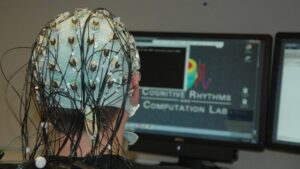
Brain modulation is a fancy term for a very cool new technology. It means changing how brain cells talk to each other. Experts are testing ways to send gentle signals to certain parts of the brain. This can wake up sleepy brain cells and help people remember things better or stay calm. It is kind of like fixing a radio that has a lot of static noise so you can hear the music clearly again.
Scientists are working hard to make these treatments safe and easy to use. While research takes time, the early results are very exciting. Just as global leaders have to adapt quickly to big changes—much like the rapid shifts seen when seven PMs in 10 years why British politics is moving fast—medical science must also evolve fast to tackle complex diseases like Alzheimer's.
How Families Can Support Loved Ones
Living with Alzheimer's is not easy for the patient or the family. Caregivers need a lot of support, rest, and love. While doctors work on high-tech brain modulation and exact diagnoses, families can do simple things at home. Keeping a daily routine helps patients feel safe. Playing old favorite songs or looking at family photo albums can also bring a smile to their faces.
There’s more to life than simply increasing its speed.
By Udaipur Freelancer
Communication is also key. Speak in short, clear sentences. Never get angry if they ask the same question ten times. Remember, it is the disease talking, not your loved one. Patience is the best medicine you can give every single day.
Looking Forward to a Brighter Future
The meeting of medical experts shows us that the future of healthcare is bright. By combining accurate medical tests with advanced treatments like brain modulation, we are getting closer to a world where Alzheimer's can be managed much better. Science does not stop, and neither should our hope.
Always stay informed and talk to your doctor if you notice any memory changes in your family members. Together, we can build a more supportive and caring world for everyone dealing with brain health challenges.
Udaipur Freelancer delivers high-quality web, marketing, and design solutions. We focus on building impactful digital experiences that help your brand succeed in today's market.


















Recommended for you
Must-See Art Exhibitions Around the World This Year
The Revival of Classical Art in a Digital Age
Breaking Down the Elements of a Masterpiece Painting
The Revival of Classical Art in a Digital Age