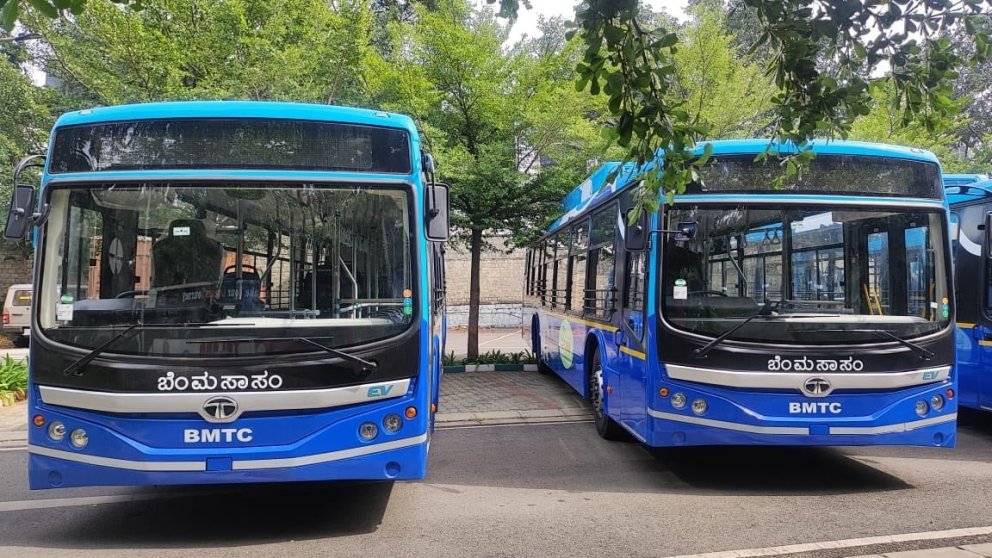
Commuters in Bengaluru faced a tough day recently when electric bus drivers went on a temporary strike. The sudden stop in service created big delays across the city. The Bengaluru Metropolitan Transport Corporation (BMTC) relies heavily on these modern electric buses to carry thousands of people every single day. When the drivers decided to stop working, it caused confusion and long waiting lines at major bus stands.
In this blog post, we will talk about why the drivers went on strike, how it affected normal people, and what this means for the future of green travel in big cities.
Why Did the EV Bus Drivers Go on Strike?
Electric buses in Bengaluru are mostly run through private companies under a special contract with BMTC. This system is often called Gross Cost Contract (GCC). Under this model, the private vendor owns the bus and hires the driver, while BMTC controls the routes and tickets. This setup is meant to save government money, but it sometimes creates problems between private drivers and their employers.
The drivers went on strike mainly because of unpaid wages, long working hours, and lack of basic benefits. Many drivers claimed that they were not receiving their full monthly salary on time. Others complained about strict schedules with very short breaks. Driving through heavy city traffic all day without proper rest can make anyone tired and stressed. When their demands were ignored for too long, the drivers decided to protest by stopping work.
How the Strike Affected Daily Passengers
Bengaluru is a busy city where millions of people travel to office, school, and colleges using public buses. When hundreds of EV buses stayed off the roads, regular commuters felt the pain instantly. Bus stops were crowded with worried passengers. Many people missed their meetings or reached work very late because they could not find alternative transport.
Auto-rickshaws and ride-hailing cabs became overcrowded, and prices went up due to high demand. For many office workers who planned their mornings down to the minute, this sudden disruption ruined their entire day. It shows that even if you plan your day carefully, unexpected events can break your daily routine. If you want to learn more about managing schedule stress, check out why traditional time management is actually killing your productivity in modern workplaces.
The Challenges of Moving to Electric Buses
India is pushing hard to make public transport clean and environment-friendly. Electric buses reduce air pollution and help lower carbon emissions in big cities. However, moving away from diesel buses to electric ones is not always smooth. It requires proper infrastructure, fair worker contracts, and good management.
India has a long history of policy shifts and external economic changes when adopting new systems. This path towards modern green standards reminds us of past political and social transitions, such as India green revolution US pressure, where major reform movements faced internal and external challenges. Bringing new green technology into public transport requires careful planning so that drivers and staff are treated fairly while tech updates are added.
How BMTC and Private Firms Responded
When the strike began disrupting key routes, BMTC officials stepped in quickly. They held urgent talks with the private bus operators and driver representatives. To handle the rush, BMTC deployed extra regular diesel buses on busy roads so people would not be left stranded for too long.
There’s more to life than simply increasing its speed.
By Udaipur Freelancer
The private operators promised to look into the drivers' pay issues and clear pending dues. After receiving assurances from both the company and transport officials, the drivers agreed to end their temporary strike and get back behind the wheel. Within a few hours, normal EV bus services were slowly restored across Bengaluru.
Lessons for the Future of Public Transport
This incident offers important lessons for city leaders and public transport agencies. Electric buses are definitely the future of city travel, but technology alone cannot fix public transport. The human element is just as important as battery size and charging stations.
Here are three quick key lessons from this event:
1. Fair pay for drivers is essential. Drivers need steady salaries and humane working conditions to perform their jobs safely.
2. Strong oversight of private partners. Government transport bodies like BMTC must monitor private contractors closely to ensure worker rules are followed.
3. Better emergency backup plans. Cities need quick backup arrangements so that passenger service does not crash when unexpected protests occur.
Conclusion
The temporary strike by EV bus drivers in Bengaluru was a short but clear wake-up call. Electric mobility is great for the environment, but it must be built on a foundation of fair treatment for all transit workers. When drivers are happy and paid fairly, public transport runs smoothly, commuters reach their destinations on time, and cities can truly achieve green growth. Hopefully, BMTC and private operators will resolve worker issues permanently so that passengers do not face similar trouble again.











Recommended for you
Must-See Art Exhibitions Around the World This Year
The Revival of Classical Art in a Digital Age
Breaking Down the Elements of a Masterpiece Painting
The Revival of Classical Art in a Digital Age