It has been exactly one year since the new administration took the reins in the national capital. For a metropolis as massive, diverse, and complex as Delhi, 365 days is enough time to set the gears in motion, but perhaps not quite enough to fix decades-old systemic issues.
As the BJP marks its first anniversary in power in Delhi, a detailed status report reveals a mixed bag of significant administrative progress, ambitious infrastructure pushes, and glaring environmental challenges that remain unresolved. From buzzing 24x7 commercial hubs to the persistent smog that chokes the city every winter, let’s dive deep into the ultimate Report Card on the First Anniversary of BJP in Delhi.
The Hits: Where the Administration Scored Well
Several sectors have seen tangible policy shifts and on-ground implementation over the past year. The government seems to have prioritized economic mobility, digitalization, and transport infrastructure.
1. Economy and 'Ease of Doing Business'
Perhaps the most universally welcomed move has been the aggressive push toward the 'Ease of Doing Business'. The government presented a massive Rs 1 lakh crore budget aimed at revitalizing the city's commercial spirit.
The standout initiative? Allowing all commercial establishments and shops (with the notable exception of liquor stores) to remain open 24x7. This is a massive step toward creating a thriving nighttime economy in Delhi, generating more employment and revenue. Additionally, the mandatory renewal for registration after 21 years has been abolished, cutting down bureaucratic red tape for long-standing business owners.
2. Public Transport and the EV Push
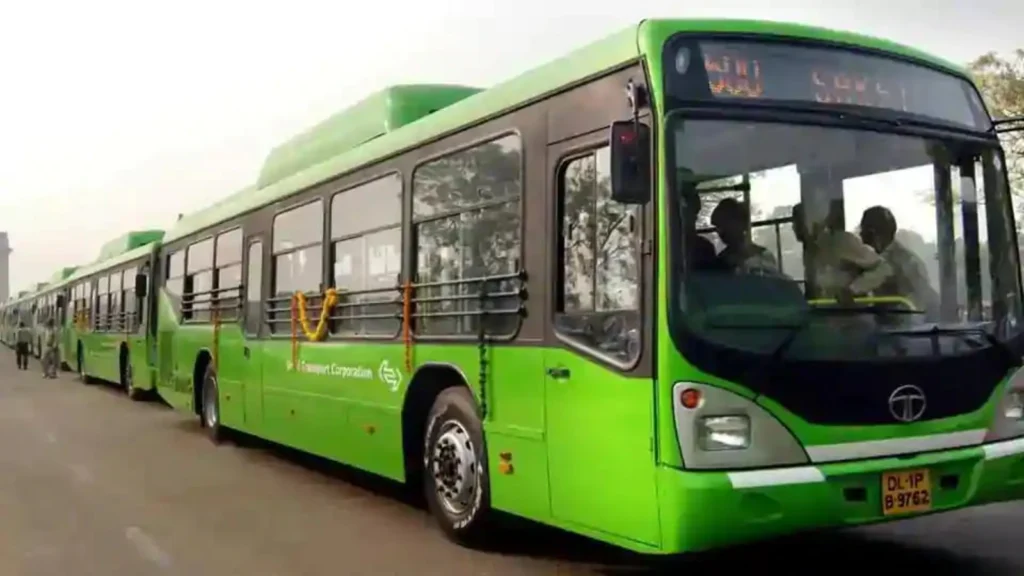
Delhi’s transport sector has seen aggressive modernization. Currently, more than 4,000 electric buses (e-buses) are plying the city's roads, providing a much-needed green alternative for daily commuters.
Recognizing that the future is electric, work is currently in progress to set up a staggering 25,000 EV charging points across the capital. While last-mile connectivity from Metro stations hasn't hit the 100% mark yet, the administration has set a firm target to achieve this by the end of the year.
3. Education and School Upgrades
Education remains a critical pillar of governance. In the past year, the Delhi School Education Transparency in Fixation and Regulation of Fee has been implemented, although parents are still waiting for the finalized rules for private schools to be entirely rolled out.
On the infrastructure front, 75 'Old Era Schools' have been launched, equipped with modern smart classrooms. To foster scientific temper among students, the government is also establishing Dr. APJ Abdul Kalam labs across state-run institutions.
4. Social Welfare and Nutrition
Targeting the marginalized sections of society, the government successfully launched the Ayushman Bharat Yojana and notified the Delhi Food Security Rules, 2025. To combat urban hunger, 71 Atal Canteens have been opened against a target of 100, providing subsidized meals. Furthermore, under the Antyodaya Anna Yojana, free sugar is being distributed to all beneficiaries, alongside the provision of free gas cylinders during the festivals of Holi and Diwali.
The Misses: Areas Requiring Immediate Attention
While infrastructure and the economy saw a boost, Delhi’s Achilles' heel continues to be its environment. The report card shows significant lags in tackling pollution and waste management.
1. The Choking Air Quality
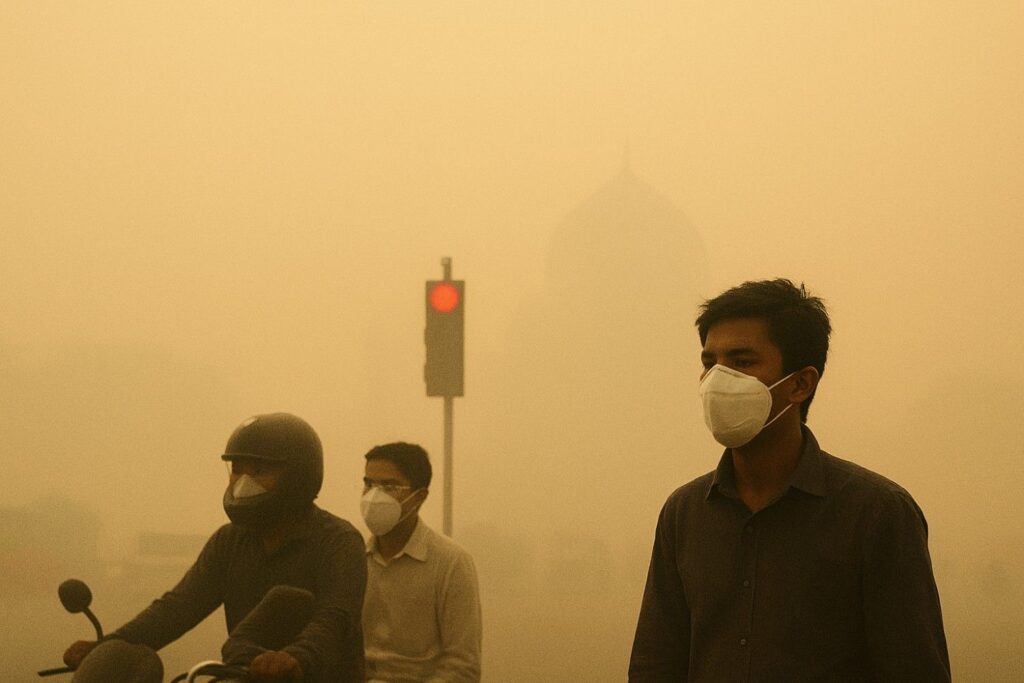
Despite perennial promises, Delhi's air quality remains a severe health hazard. The highly anticipated Delhi Clean Air Mission is yet to be launched.
According to status reports, there has been no substantial reduction in PM 2.5 and PM 10 levels over the past year. While the long-term target is to see an 80% reduction by 2030, citizens need immediate relief. On a positive note, six new air quality monitoring stations have been launched, and the Delhi Southern Ridge has been officially notified as a reserved forest to protect the city's green cover.
There’s more to life than simply increasing its speed.
By Udaipur Freelancer
2. The Yamuna River Conundrum
Cleaning the Yamuna has been a political talking point for decades. Unfortunately, DPCC (Delhi Pollution Control Committee) reports indicate that there has been no clear progress on cleaning the river so far.
While the flow of raw waste into water bodies continues to threaten aquatic life, the government is taking procedural steps. Projects to tap major drains and set up decentralized Sewage Treatment Plants (STPs) have been approved, and capacity enhancements of water treatment plants are currently being implemented. However, the visible results on the river's surface remain to be seen.
3. Sanitation and Garbage Mountains
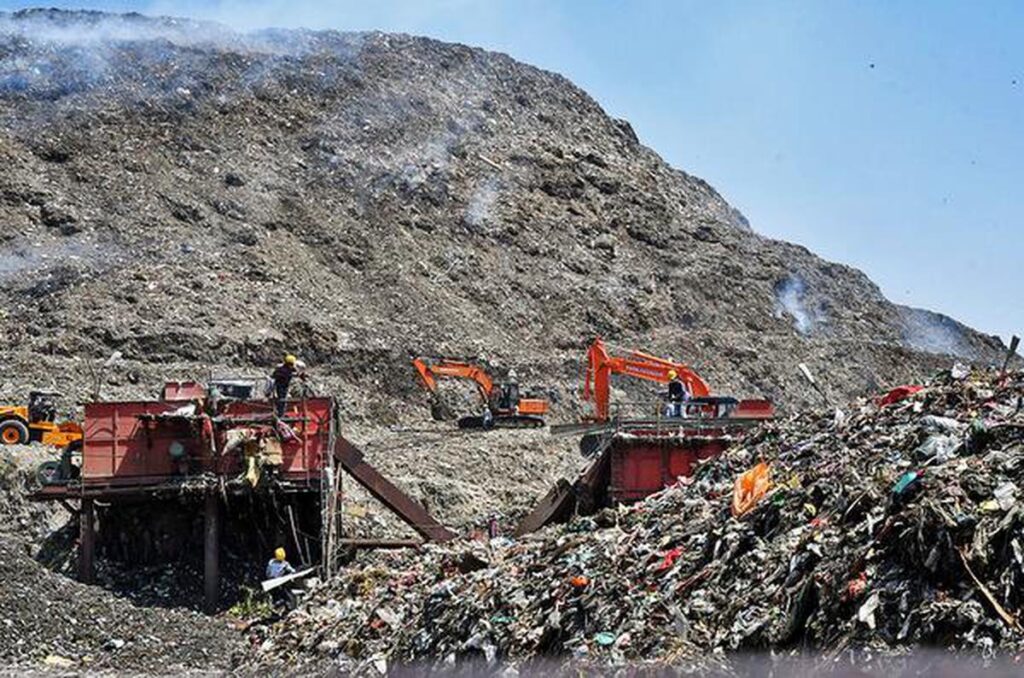
The towering landfills at Ghazipur, Okhla, and Bhalswa remain an eyesore and an environmental disaster. The government has promised to increase treatment capacity to eliminate these garbage mountains, aiming to remodel them on the lines of Eco-parks.
However, the crucial first step 100% decentralized waste segregation and collection is yet to be achieved. The administration is banking heavily on biomining and waste-to-energy technologies, which are likely to show a visible reduction in landfill waste only by 2027.
Work in Progress: Infrastructure, Security, and Women's Welfare
Several initiatives fall into the work in progress category, requiring more time to assess their true impact.
Roads: The PWD has repaired around 155 km of roads, with a target to fix 800 km by the end of the year. Additionally, a massive 20 lakh metric tonnes of silt has been removed from the city's roads to prevent waterlogging.
Security: The government plans to add 50,000 more CCTV cameras on the streets. While major sweeping announcements were absent, a forensic system has been implemented, and approval has been granted for a high-security prison complex in Narela.
Housing: Rs 327 crore was approved on Republic Day for the development of Jhuggi Jhopri clusters, targeting basic amenities like health, sanitation, and housing. This is a critical move, especially since previous attempts at in-situ rehabilitation of slum clusters have largely failed.
Women's Empowerment: The Pink Saheli Smart Card, allowing free bus rides for women and transgender commuters, is slated for implementation on March 2. To support women in the workforce, 500 Anganwadi/creche 'Palna' centres are being set up. Additionally, the 'Delhi Mitra' app has been launched to streamline public grievance redressal.
At a Glance: The Executive Summary
For a quick overview of the year, here is a breakdown of the top successes and the pending promises based on the official status report.
Top 5 Projects and Schemes Executed:
Deployment of around 4,000 e-buses on the road.
Opening of 71 Atal Canteens (against a target of 100).
Implementation of the Ayushman Bharat Yojana.
Notification of the Delhi Food Security Rules, 2025.
Approval of the Drainage Master Plan 2025 and provision of free cylinders on Holi/Diwali.
What the People of Delhi Are Still Waiting For:
Despite the progress, citizens are eagerly awaiting the fulfillment of several key promises:
Mahila Samriddhi Yojana implementation.
The rollout of EV Policy 2.0.
Physical distribution of the Pink Smart Card for women.
Functional Yamuna water quality monitoring stations.
Streets that are entirely free of potholes and traffic jams.
A clear, finalized, and transparent Excise Policy.
Final Verdict: A Solid Start, But a Long Road Ahead
The first-year report card of the BJP rule in Delhi reflects an administration that is highly focused on economic stimulation, digital governance, and transport infrastructure. The 24x7 economy mandate, the massive influx of electric buses, and the push for modernized schooling are undeniable wins that will shape the capital's future.
However, a world-class city cannot exist in a toxic environment. The administration's true test in its second year will be its ability to move beyond paperwork and deliver visible results regarding Delhi's air quality, the sanitation crisis at the landfills, and the ecological revival of the Yamuna River.
As the government moves into its second year, the citizens of Delhi will be watching closely. Will the promises currently listed under Waiting For move into the Executed column? Only time and continuous civic engagement will tell.
Udaipur Freelancer delivers high-quality web, marketing, and design solutions. We focus on building impactful digital experiences that help your brand succeed in today's market.
















Recommended for you
Must-See Art Exhibitions Around the World This Year
The Revival of Classical Art in a Digital Age
Breaking Down the Elements of a Masterpiece Painting
The Revival of Classical Art in a Digital Age