The cosmos is preparing to put on one of its most breathtaking displays. For amateur astronomers, professional stargazers, and anyone who looks up at the night sky in wonder, a major event is appearing on the horizon, The Annular Solar Eclipse of February 17, 2026.
Known widely as the Ring of Fire, this celestial phenomenon is more than just a passing shadow. it is a rare alignment of the sun, moon, and earth that creates a visual masterpiece. In this guide, we will dive into everything you need to know about the February 2026 eclipse, from where to see it to the science behind the ring.
What is an Annular Solar Eclipse?
To understand why the February 17, 2026, event is so special, we first need to understand the mechanics of an Annular Solar Eclipse.
A solar eclipse occurs during the New Moon phase when the Moon passes directly between the Earth and the Sun. However, not all eclipses result in a total blackout of the sun. An annular eclipse happens when the Moon is at its farthest point from Earth (apogee).
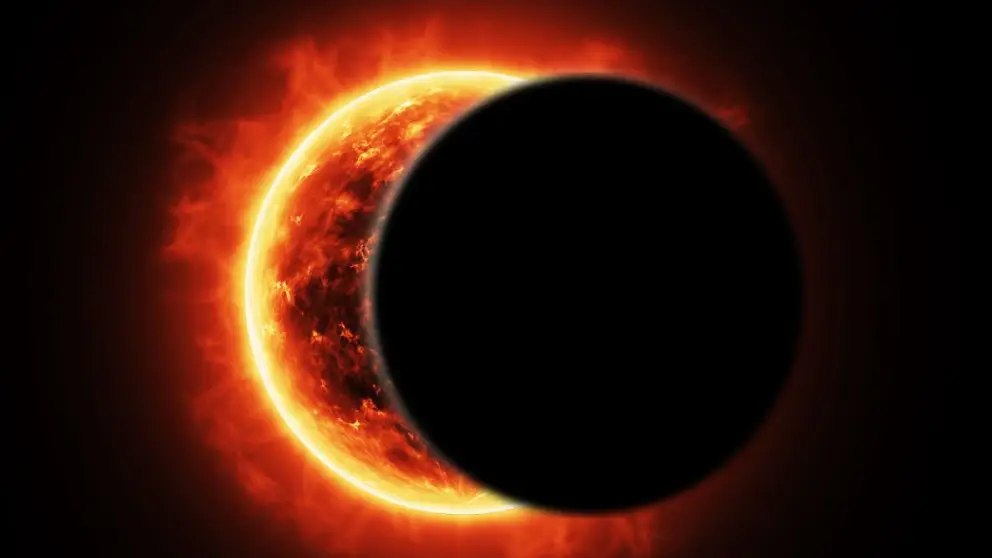
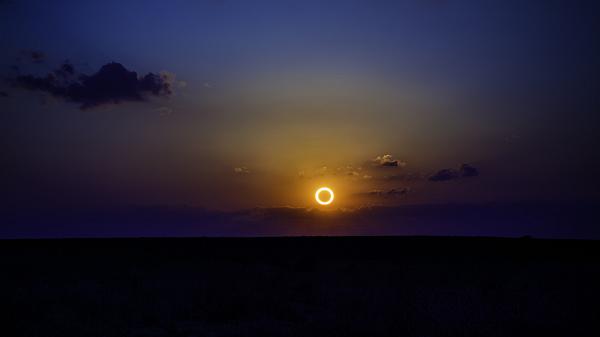
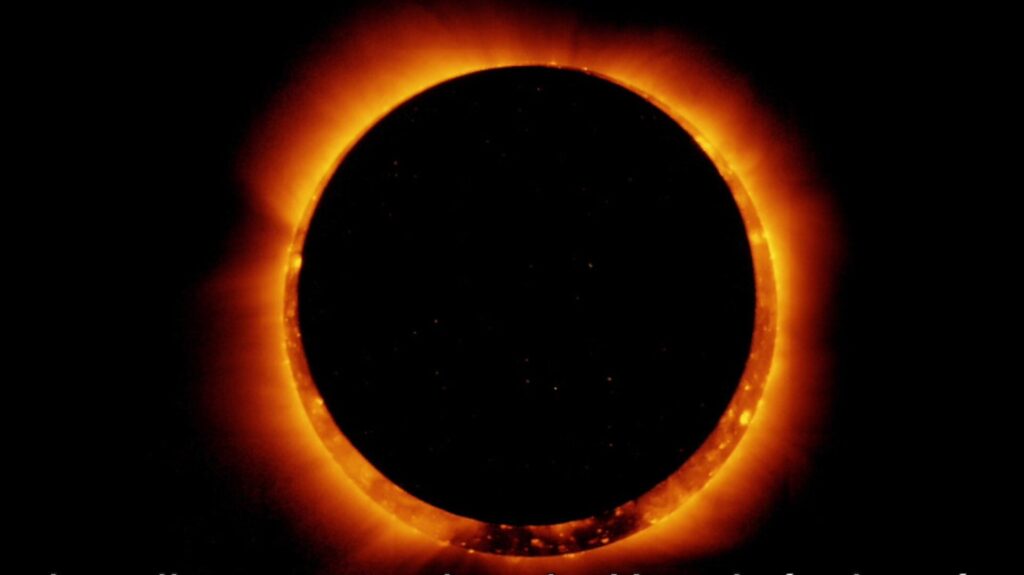
Because the Moon is further away, it appears slightly smaller in our sky than the Sun. When it moves across the center of the solar disk, it isn’t quite large enough to cover the Sun completely. This leaves a brilliant, blazing border of light around the edges of the Moon creating the iconic 'Ring of Fire' or Annulus.
Mark Your Calendars: Date and Timing
According to astronomical schedules, the first solar eclipse of 2026 will take place on February 17, 2026.
For those planning to track the event or set up photography equipment, the window of the eclipse is vital. The event is expected to span from:
- Start Time: 16:28 PM (Local/Standard time depending on region)
- End Time: 18:47 PM
These two hours will offer a transition from a partial eclipse into the peak Ring of Fire moment, providing photographers and scientists a golden opportunity to capture the sun’s corona and the moon’s silhouette in high definition.
Path of Totality: Where is the Eclipse Visible?
One of the most important questions for any skywatcher is: Can I see it from my backyard?
The visibility of the February 2026 eclipse is concentrated in the Southern Hemisphere. If you are a travel enthusiast or live in these regions, you are in luck. The Ring of Fire will be visible across:
There’s more to life than simply increasing its speed.
By Udaipur Freelancer
- Africa: South Africa, Namibia, Zimbabwe, Botswana, Tanzania, and Mauritius.
- South America: Argentina and the southern regions of the continent.
- Antarctica: For the truly adventurous, some of the best views of the annularity will occur over the icy landscapes of Antarctica.
A Note for Skywatchers in India
Unfortunately, for those living in India, this particular Annular Solar Eclipse will not be visible. While this might be disappointing for local astronomers, the digital age offers a solution. Major space agencies like NASA and various astronomical societies will be live-streaming the event in 4K resolution, allowing you to witness the beauty of the Ring of Fire from your screen.
The Astrological Significance: Phalguna Amavasya
Beyond the science, solar eclipses have held deep spiritual and astrological meaning for centuries. The February 2026 eclipse falls on Amavasya Tithi in the Hindu month of Phalguna.
Astrologically, a solar eclipse is often seen as a period of profound transition. It is believed to signify:
- New Beginnings and Endings: A time to let go of the old to make room for the new.
- Self-Reflection: Eclipses are related to identity and purpose. It is a time to look inward and recalibrate your life’s direction.
- Spiritual Growth: Many cultures suggest meditation and prayer during the eclipse window to harness the intense cosmic energy.
How to Safely Watch the Ring of Fire
Watching a solar eclipse is a thrilling experience, but it comes with significant risks if not done correctly. Never look directly at the Sun without proper protection, even during an annular eclipse. Because the Sun is not completely covered, the remaining ring of light is powerful enough to cause permanent eye damage (solar retinopathy).
Safety Tips:
- Solar Viewing Glasses: Use only ISO-certified eclipse glasses. Regular sunglasses no matter how dark are not safe.
- Telescopes and Binoculars: Do not use these unless they are fitted with professional-grade solar filters on the front lens.
- Pinhole Projectors: If you don’t have glasses, a simple DIY pinhole projector can allow you to view the shadow of the eclipse on the ground safely.
Preparing for February 17, 2026
If you are located in the path of visibility specifically in Southern Africa or South America now is the time to start planning. Celestial events of this magnitude often draw eclipse tourists from around the world, meaning hotels and prime viewing spots in places like Cape Town or Buenos Aires will book up fast.
For those elsewhere, mark the date in your calendar to catch the global livestreams. The February 2026 Annular Solar Eclipse promises to be a spectacular reminder of the clockwork precision of our solar system and the breathtaking beauty of the universe we call home.
Stay tuned for more updates as we approach this Ring of Fire event!















Recommended for you
Must-See Art Exhibitions Around the World This Year
The Revival of Classical Art in a Digital Age
Breaking Down the Elements of a Masterpiece Painting
The Revival of Classical Art in a Digital Age