In an era of rapid change and fleeting digital trends, there is a profound peace to be found in things that endure. India, a land where the past and present breathe the same air, is home to architectural marvels that have defied the erosion of time, weather, and history.
For over a millennium, these stone sanctuaries have echoed with the sounds of Vedic chants and the footsteps of millions of seekers. They are not just monuments. they are living energy centers. Here are 7 ancient Indian temples that have stood tall for over 1,000 years, offering us a bridge to the eternal.
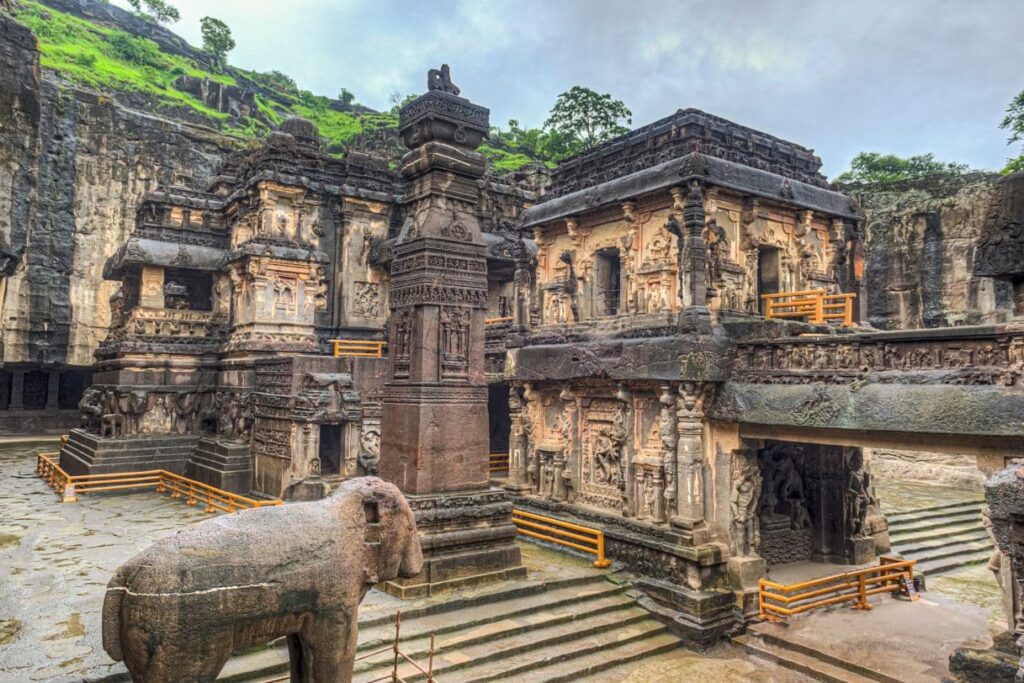
1. Kailasa Temple, Ellora (Maharashtra)
Built: 8th Century The Marvel: Carved out of a single volcanic basalt rock, the Kailasa Temple is an engineering feat that baffles modern architects. Unlike traditional buildings constructed from the ground up, this temple was carved top-down.
Mindful Reflection: As you stand before its massive monolithic structure, reflect on the patience of the artisans who chipped away 200,000 tonnes of rock to reveal this divine form. It teaches us that sometimes, the path to beauty is about what we remove, not what we add.
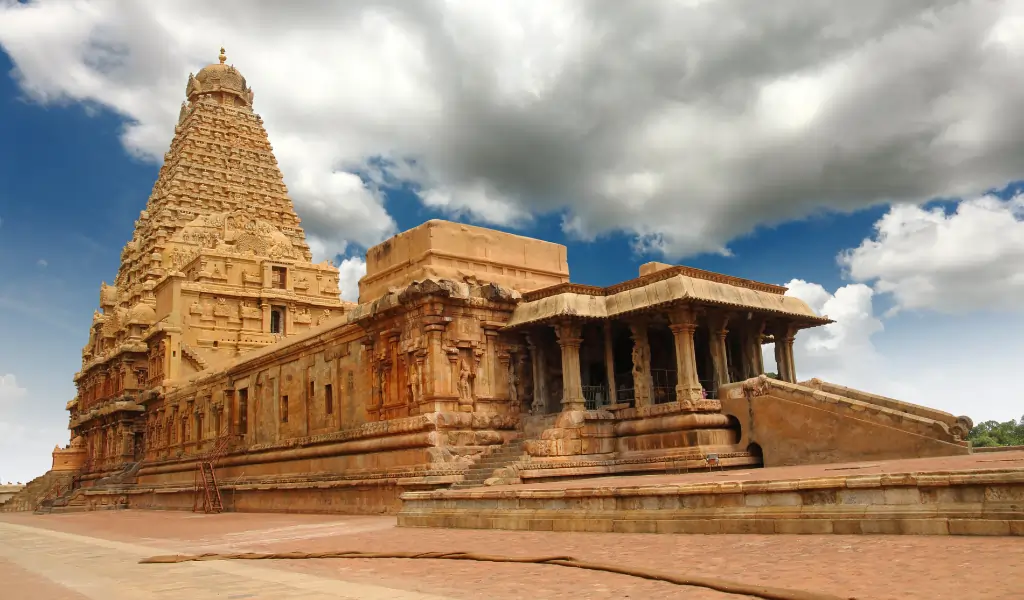
2. Brihadeeswarar Temple, Thanjavur (Tamil Nadu)
Built: 1010 AD The Marvel: A UNESCO World Heritage site, this Big Temple was built by Raja Raja Chola I. Its massive Vimana (tower) is built entirely of granite, a stone not found within 100 miles of the site. Remarkably, the 80-tonne granite capstone was hoisted to the top using a 6km long ramp.
Mindful Reflection: The temple’s shadow is said to never fall on the ground at noon during certain seasons. It stands as a symbol of structural perfection and the Chola dynasty’s devotion, reminding us of the heights human intention can reach.
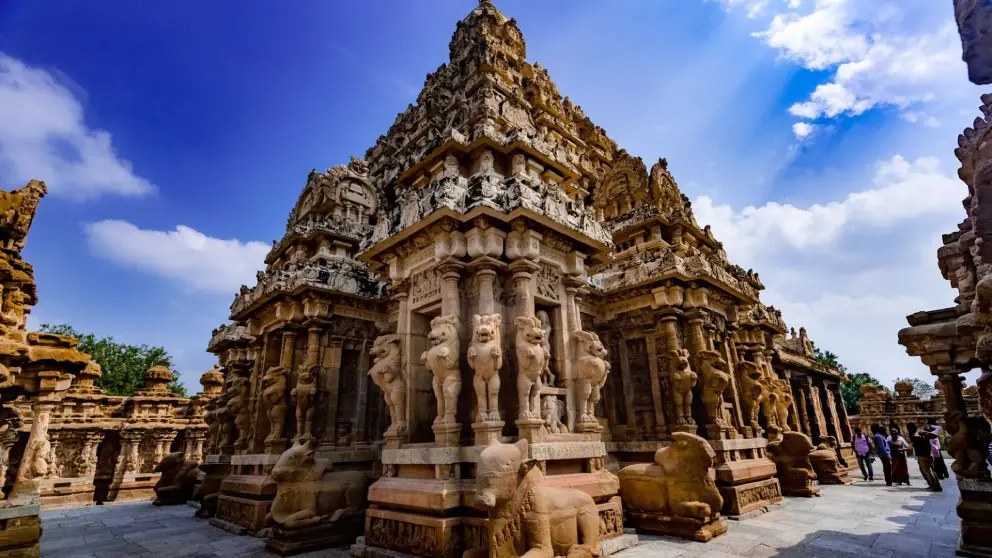
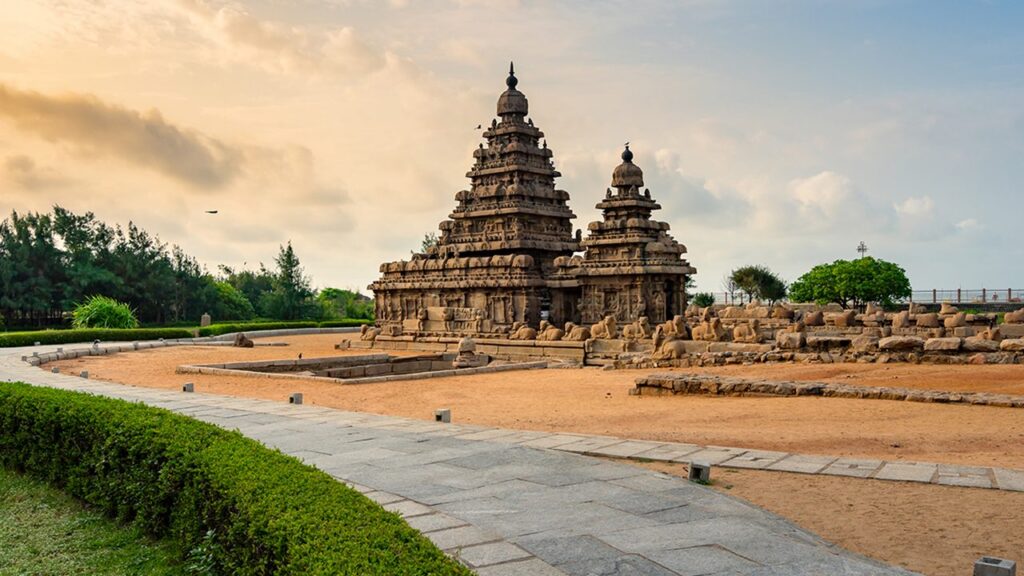
3. The Shore Temple, Mahabalipuram (Tamil Nadu)
Built: 700–728 AD The Marvel: Perched on the edge of the Bay of Bengal, this Pallava masterpiece has survived over 1,300 years of salt spray, cyclonic winds, and even the devastating 2004 Tsunami.
Mindful Reflection: The Shore Temple is a testament to resilience. It teaches us that even when the storms of life lash against us, staying rooted in our core values allows us to remain standing, weathered but beautiful.
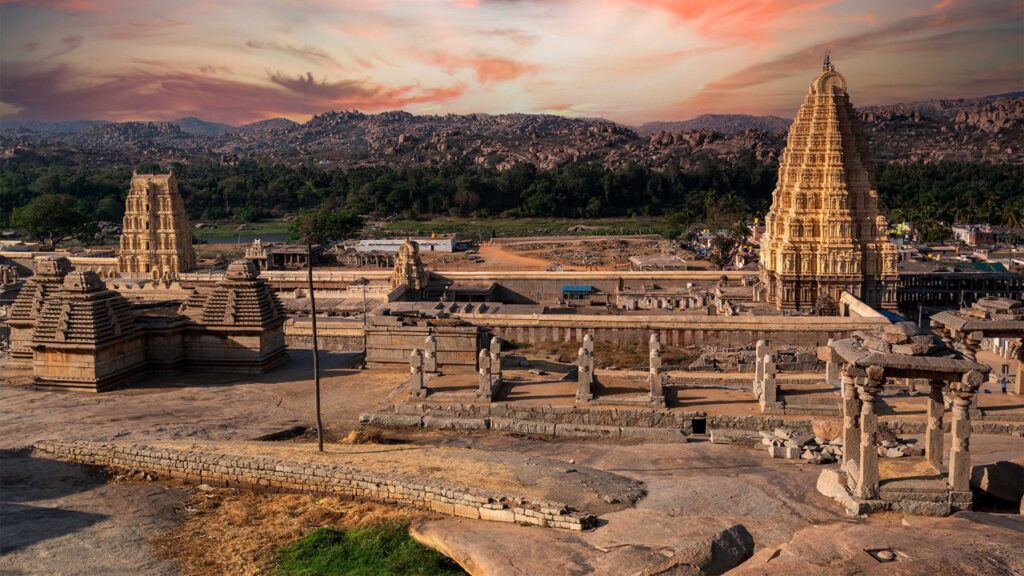
4. Virupaksha Temple, Hampi (Karnataka)
Built: 7th Century (Expanded in the 14th-16th Century) The Marvel: While much of Hampi lies in ruins, the Virupaksha Temple remains active and unbroken. It has survived the fall of empires and centuries of conflict, continuing to serve as a beacon for pilgrims.
Mindful Reflection: Walking through its pillared halls, one feels the unbroken thread of tradition. It reminds us that while civilizations may rise and fall, the human spirit’s quest for the divine remains constant.
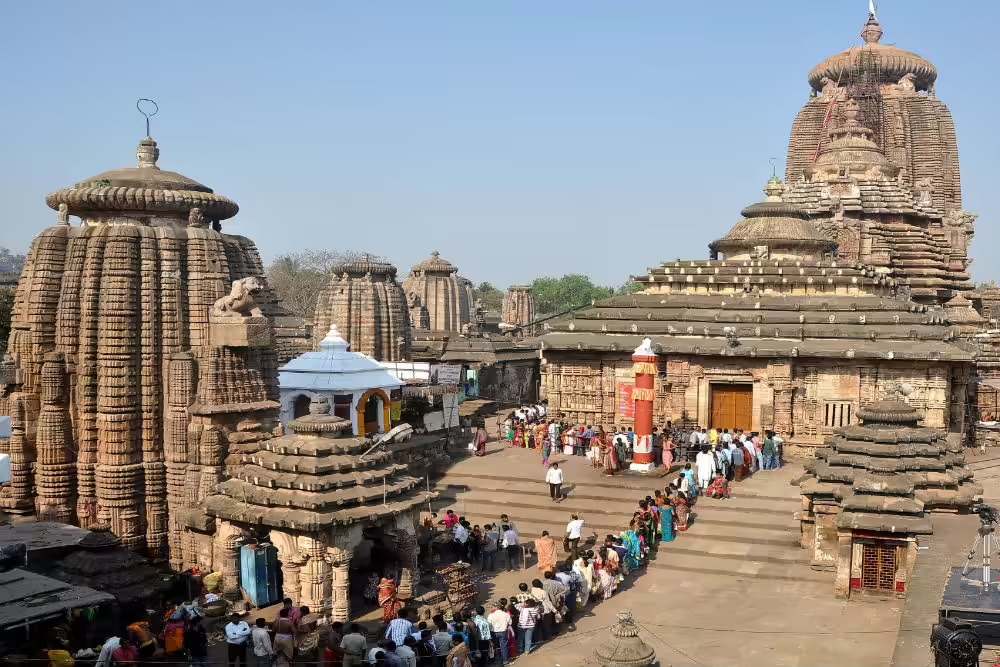
5. Lingaraja Temple, Bhubaneswar (Odisha)
Built: 11th Century The Marvel: Representing the peak of Kalinga architecture, the Lingaraja Temple is dedicated to Lord Shiva as Harihara. The temple’s dark shade of sandstone and intricate carvings of daily life, flora, and fauna make it a visual meditation.
There’s more to life than simply increasing its speed.
By Udaipur Freelancer
Mindful Reflection: The temple represents the harmony between the feminine and masculine energies. Its soaring spire reminds us to keep our gaze upward, even as our roots remain firmly planted in the earth.
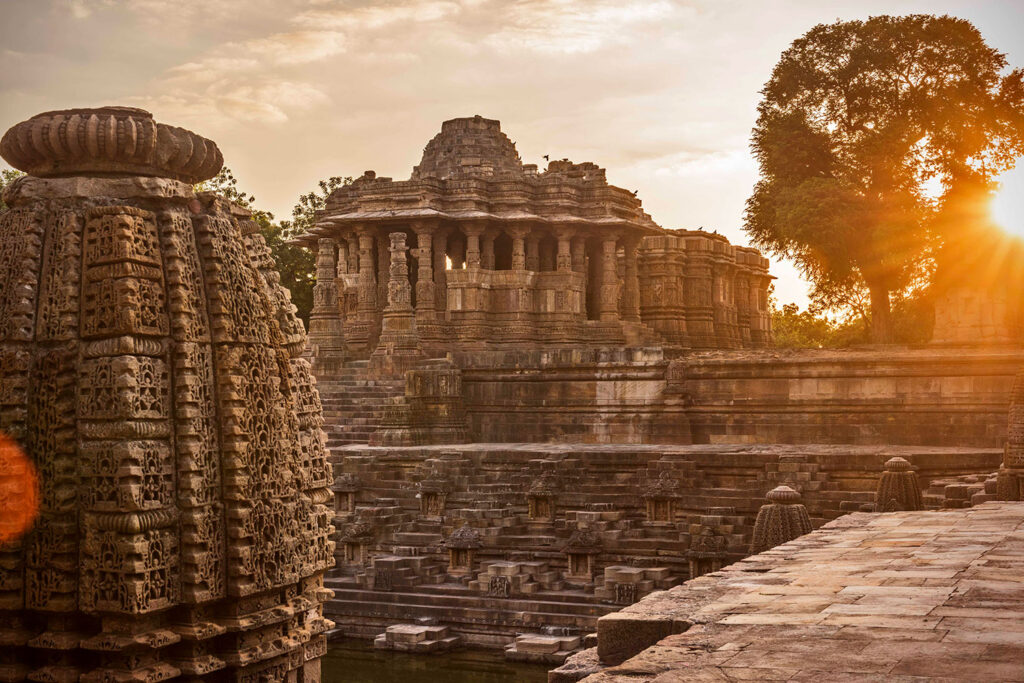
6. Sun Temple, Modhera (Gujarat)
Built: 1026–27 AD The Marvel: Built by the Solanki dynasty, this temple is designed so that during the equinoxes, the first rays of the rising sun fall directly on the deity in the inner sanctum. Even after the deity was removed centuries ago, the architectural geometry remains a masterclass in solar alignment.
Mindful Reflection: Sit by the Surya Kund (stepped tank) and watch the light play on the stone. It is a reminder that we are all connected to the rhythms of the cosmos the sun, the seasons, and the cycles of time.
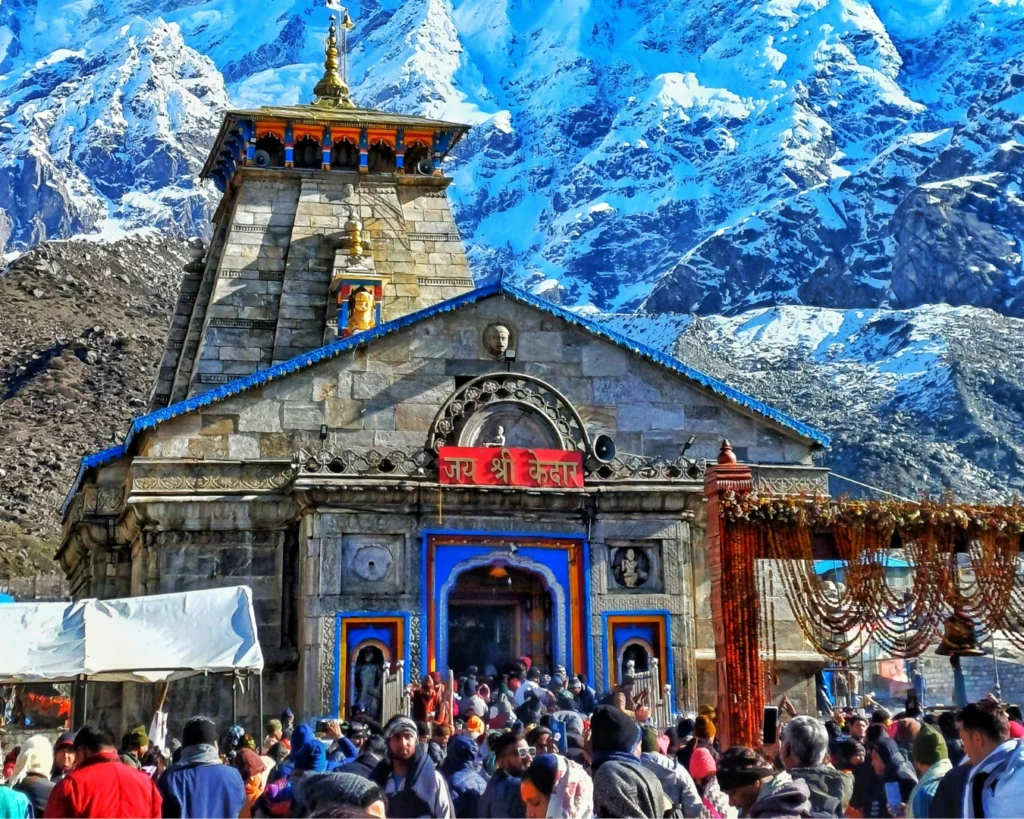
7. Kedarnath Temple, Uttarakhand
Built: 8th Century (Rebuilt by Adi Shankara) The Marvel: Situated at 11,755 feet in the Himalayas, this temple is built of massive grey stone slabs. It survived the Little Ice Age for 400 years (buried under snow) and the catastrophic 2013 floods.
Mindful Reflection: Kedarnath is the ultimate symbol of Vairagya (detachment) and strength. In the silence of the mountains, the temple whispers a profound truth. what is built with true devotion can never be destroyed by the elements.
Why Visit These Temples Today?
Visiting these sites is more than just sightseeing. It is a mindful practice. When you touch a pillar that has been touched by millions over a thousand years, you realize you are part of a vast, timeless story.
Tips for a Mindful Visit:
Observe Silence: These spaces were designed for vibration. Listen to the echoes.
Notice the Details: Look at the carvings of dancers, animals, and deities they represent the sacredness of all life.
Leave No Trace: Respect the antiquity by not touching delicate carvings and keeping the premises clean.
Conclusion The 1,000-year survival of these temples is no accident. It is a combination of masterful Vedic engineering and the collective will of a culture that values the eternal over the temporary. As you plan your next journey, consider stepping into these portals of history not just to see, but to feel the heartbeat of ancient India.
Udaipur Freelancer delivers high-quality web, marketing, and design solutions. We focus on building impactful digital experiences that help your brand succeed in today's market.













Recommended for you
Must-See Art Exhibitions Around the World This Year
The Revival of Classical Art in a Digital Age
Breaking Down the Elements of a Masterpiece Painting
The Revival of Classical Art in a Digital Age