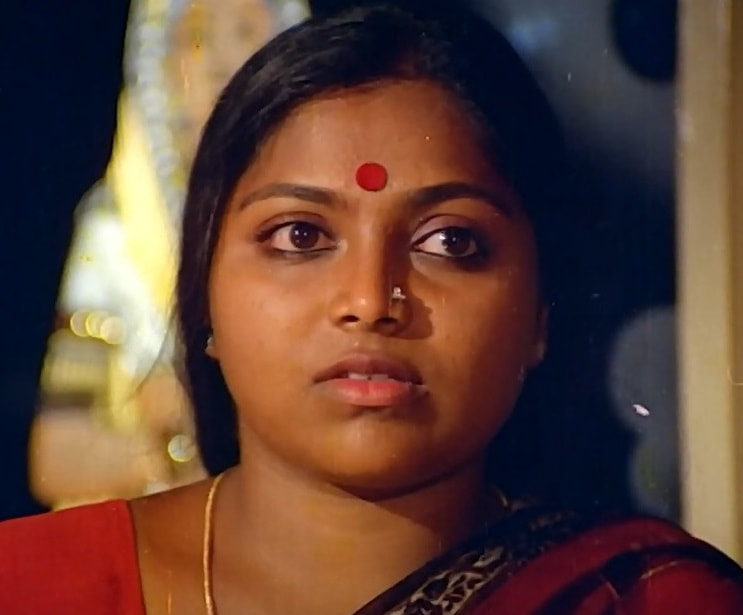
The 1980s was a golden era for South Indian cinema, a time when storytelling was bold, and performers were larger than life. Among the constellation of stars that defined this decade, one name resonated with unparalleled depth and emotional range: Saritha.
To the public, she was the 'Queen of Expression,' a powerhouse performer who ruled four film industries Tamil, Telugu, Malayalam, and Kannada. But behind the thunderous applause and the prestigious awards lay a dark, suffocating reality. For decades, Saritha harbored a secret that would eventually shatter the glass ceiling of celebrity perfection. she was a victim of domestic abuse, enduring a horrific incident where she was kicked in the stomach while pregnant.
The Rise of a Formidable Performer
Saritha’s journey to superstardom was nothing short of legendary. Her career reached a definitive turning point when the visionary filmmaker K. Balachander cast her opposite Kamal Haasan in the landmark film Maro Charitra. The film’s monumental success turned her into an overnight sensation, and she soon became the go-to actress for complex, nuanced roles that required more than just a pretty face.
Her filmography is a testament to her versatility. Whether it was the fiery intensity in Agni Sakshi, the emotional depth in Kalyana Agathigal, or the social relevance of Achamillai Achamillai, Saritha didn’t just play characters she lived them. Her ability to navigate different languages and cultures allowed her to work with industry titans like Mammootty and Mohanlal in Malayalam cinema, while simultaneously commanding the screen in Kannada hits like Chalisuva Modagalu.
The Marriage that Silenced a Star
In 1988, at the absolute zenith of her career, Saritha married actor Mukesh. To the outside world, they were a high-profile couple within the industry. However, following the marriage, Saritha made the difficult decision to step away from the limelight. Fans wondered why a woman at the peak of her powers would suddenly vanish from the silver screen.
Years later, the heartbreaking truth emerged. The transition from a celebrated icon to a wife was marked by pain and betrayal. In an emotional interview with Manorama Online, Saritha revealed the toxic environment she lived in. She spoke of her husband’s alleged multiple affairs and the psychological toll of infidelity. "Amid all the familial issues, he maintained affairs with many," she shared. "I just hoped that he would realize his mistake and come back."
The Darkest Reality: "He Kicked Me When I Was Pregnant"
The most harrowing revelation from Saritha’s past involves physical violence during her most vulnerable moment. She recounted an incident that chilled the hearts of her fans. a physical assault while she was carrying her child.
Saritha revealed that during her pregnancy, she was subjected to physical abuse. "He kicked me in the stomach and I fell into the yard," she recalled. As she lay there crying in pain and fear, the response she received was a cruel mockery of her profession. Her husband reportedly told her, "Oh... you are a good actress... go on, cry."
This statement highlights the profound cruelty of her situation her real-life trauma was dismissed as a performance by the person who was supposed to protect her. For an actress who had earned accolades for her ability to portray sorrow on screen, being told her actual agony was just acting was a soul-crushing humiliation.
There’s more to life than simply increasing its speed.
By Udaipur Freelancer
Why She Remained Silent for Decades
One of the most common questions survivors of domestic violence face is: "Why did you stay?" For Saritha, the answer was a mix of cultural shame and a profound sense of loyalty to her father-in-law, the legendary theatre artist O. Madhavan.
Saritha explained that after her own father passed away, she looked up to Mukesh’s father as her own. He was aware of his son’s behavior and was deeply pained by it. He reportedly held her hands and begged her not to take the matter to the media or the police while he was alive. Out of respect for the man she considered a father figure, Saritha kept her promise. She bore the weight of her trauma in silence for decades, only speaking out long after his passing and her eventual divorce.
A Legacy Beyond the Screen: The Voice of an Era
Even when she wasn't appearing on camera, Saritha’s influence on cinema remained undeniable. She transitioned into one of the most sought-after dubbing artists in the industry. If you watched a South Indian blockbuster in the 90s or early 2000s, chances are you heard Saritha’s voice.
She provided the emotional soul for actresses like Nagma, Tabu, Jyothika, Kushboo, and Simran. Her voice work was so powerful that it often elevated the performances of the women on screen, proving that even when her face was hidden, her talent could not be suppressed.
The Return of the Queen
After years of living as a single mother and rebuilding her life from the ashes of a broken marriage, Saritha made a triumphant return to the big screen. In 2023, she appeared in the film Maaveeran, starring Sivakarthikeyan. Seeing her back on screen was a moment of catharsis for her long-time fans a reminder that while she had been kicked and broken, she was never defeated.
Conclusion: A Story of Resilience
Saritha’s story is a sobering reminder that the glamour of the film industry often masks deep personal suffering. Her journey from an 80s icon to a survivor of domestic abuse serves as an inspiration to many. It teaches us that it is never too late to reclaim your voice, your career, and your dignity.
Today, Saritha stands not just as a legendary actress, but as a symbol of resilience. She proves that even after the darkest nights, the sun can rise again.















Recommended for you
Must-See Art Exhibitions Around the World This Year
The Revival of Classical Art in a Digital Age
Breaking Down the Elements of a Masterpiece Painting
The Revival of Classical Art in a Digital Age