Elections are the core of any free and fair democracy. When people go to the voting booth, they trust that the system works fairly and protects their right to vote. Recently, a big news story has come to light regarding the Election Commission. The Election Commission has made appeals against 16.10 lakh voters whose names were already cleared. This unexpected move has raised many legal questions and concerns among citizens, lawyers, and political leaders alike.
Understanding the Issue with Cleared Voters
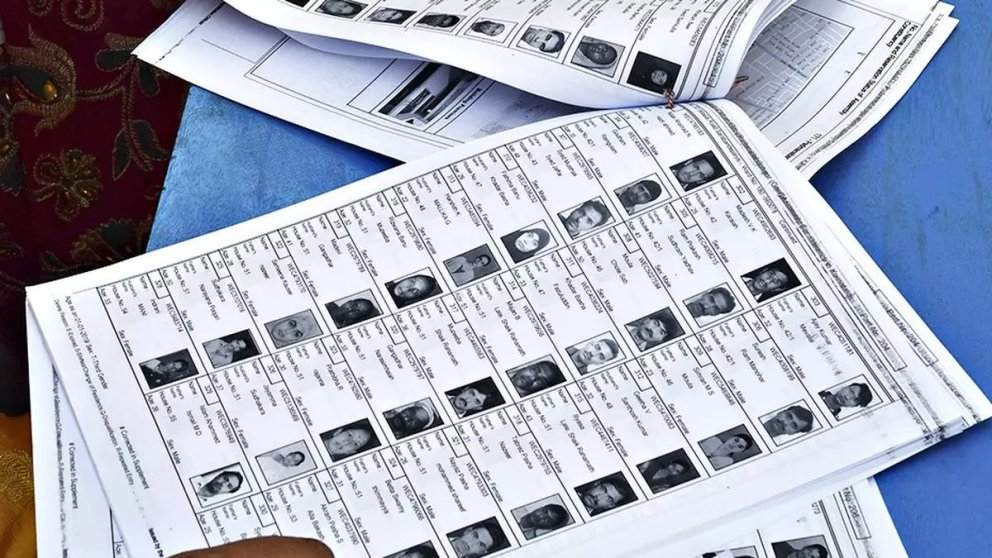
To understand why this is such a big deal, we need to look at how voter lists are managed. Normally, when local officials verify voter lists, they check names, addresses, and other details. If a person's name is cleared, it means the authorities checked their details and decided they have the right to vote. Imagine finding out that after your name is officially cleared, an appeal is made to remove you. This creates fear and confusion. People wonder if their basic voting rights are safe.
When 16.10 lakh voters are involved, the number is huge. It is not just a small clerical mistake. It affects a massive group of people. Legal experts are now asking if the Election Commission has the right to challenge its own cleared lists in this manner. Just like how recent discussions around the Lok Sabha passes tribunals reforms bill amid din show us how laws and rules change in sudden ways, the rules surrounding voter verification need strict clarity to protect citizens.
Why Legal Questions are Rising
In a democratic country, laws must be clear and fair. When an organization like the Election Commission takes a step that questions its own verified lists, it sets a confusing example. Lawyers point out that once a legal or administrative process finishes and a list is cleared, there should be finality. If authorities can challenge cleared voters anytime, nobody will feel secure about their name being on the voter list.
Furthermore, managing big administrative tasks requires trust. Citizens must trust that local officials are doing their jobs correctly. If the higher authorities doubt the work of ground-level officers on such a massive scale, it shows a breakdown in the system. Similar to how political events and legal turnarounds make headlines—such as when Congress rebel leader Naresh Meena surrenders in Tonk after bail cancellation—legal actions always bring intense public debate. People want to know if these moves are politically motivated or purely administrative.
The Impact on Ordinary Citizens
The biggest victim in this whole situation is the ordinary voter. Voting is not just a duty; it is a fundamental right. When a person hears that millions of cleared names are facing legal challenges, it causes stress. Many poor and daily wage workers might not even know their names are under review. Running to courts or government offices to prove citizenship or residency takes time and money. For many families, this is a very heavy burden.
There’s more to life than simply increasing its speed.
By Udaipur Freelancer
Democracy thrives when voting is easy and accessible. If administrative hurdles keep popping up, voter turnout can drop. People might feel that the system is too complicated and decide to stay home on election day. This is harmful to the health of the nation.
What Needs to Happen Next?
The Election Commission needs to provide clear answers. Transparency is the only way to build back public trust. They must explain why these 16.10 lakh voters were targeted after being cleared. Was there a massive error in the first verification, or is this a new rule being applied retrospectively? Courts will likely look closely at these questions to ensure that no citizen loses their democratic rights unfairly.
In conclusion, this developing story is a reminder that institutions must always act with care and responsibility. Protecting voter rights is just as important as keeping voter lists clean. As this legal battle continues, we must keep watching closely to ensure justice is served for every single voter in the country.
Udaipur Freelancer delivers high-quality web, marketing, and design solutions. We focus on building impactful digital experiences that help your brand succeed in today's market.















Recommended for you
Must-See Art Exhibitions Around the World This Year
The Revival of Classical Art in a Digital Age
Breaking Down the Elements of a Masterpiece Painting
The Revival of Classical Art in a Digital Age