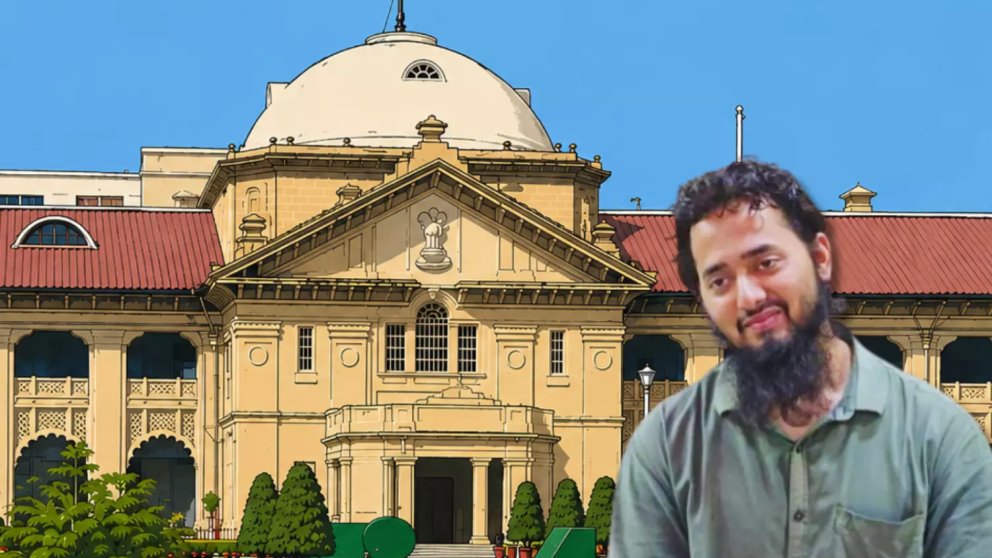
In the world of Indian politics, legal battles between political leaders and courts are very common. Recently, a major news update came from Kerala. Mani C. Kappan, a well-known Member of the Legislative Assembly (MLA) from Pala, made a strong statement in front of the Kerala High Court. He argued that the High Court does not have the authority or jurisdiction to decide on a plea that asks for his disqualification as an MLA.
This case has caught the attention of many people who follow state politics. It brings up important questions about who holds the power to disqualify an elected member of the assembly. Is it the court, or is it the Speaker of the house? Let us look closely at what this case is about and why Mani C. Kappan is making this claim.
Who is Mani C. Kappan and What is the Case?
Mani C. Kappan is a senior political figure in Kerala. He won the election from the Pala constituency. His political journey has seen many twists and turns. He was originally associated with the Nationalist Congress Party (NCP), which was part of the Left Democratic Front (LDF) alliance in Kerala. However, before the assembly elections, issues arose regarding seat-sharing, and he decided to form his own faction and ally with the United Democratic Front (UDF).
Because of this political shift, his rivals filed a petition seeking his disqualification as an MLA. The petitioners argue that by leaving his parent party and joining hands with the rival alliance, he has violated the rules of the assembly. They believe he should no longer hold his seat. This petition was taken to the Kerala High Court, leading to the current legal debate.
Why Kappan Says the High Court Cannot Decide
Mani C. Kappan’s main defense relies heavily on the Constitution of India. His legal team argued that the High Court does not have the jurisdiction to hear or rule on a disqualification plea at this stage. According to him, the Indian Constitution clearly defines who has the power to take action against an MLA under such circumstances.
Under the Tenth Schedule of the Constitution, which is also known as the Anti-Defection Law, the Speaker of the Legislative Assembly is the ultimate authority. The Speaker has the sole power to decide whether an MLA has defected and whether they should be disqualified. Kappan argues that since the Speaker is already looking into the matter, the High Court should not step in or make a parallel decision.
The Separation of Powers
The core of this legal argument lies in the concept of the separation of powers. In India, the legislature, the executive, and the judiciary are three separate pillars of democracy. Each pillar has its own defined duties and powers. The courts generally do not interfere with the internal workings of the legislative assembly unless there is a very special case or a constitutional breakdown.
There’s more to life than simply increasing its speed.
By Udaipur Freelancer
By telling the High Court that it has no jurisdiction, Kappan is reminding the court of these constitutional boundaries. He wants the court to let the Speaker do his job. If the court decides to rule on his disqualification directly, it could create a new precedent where courts start making decisions that have traditionally belonged to the assembly Speaker.
A Common Theme in Indian Politics
This type of legal drama is not unique to Kerala. All over India, politicians frequently change their alignments, leading to court battles and debates over disqualification laws. For example, in Tamil Nadu, we see new political groups forming and leaders making big moves, such as when Singai G. Ramachandran joined TVK in Tamil Nadu to reshape his career path. Political parties are always trying to find the best way to secure their future.
Similarly, in northern states like Uttar Pradesh, political groups continually adapt their strategies to appeal to different communities. We saw this when Akhilesh Yadav expanded his PDA formula to include other communities in UP politics. These actions show that politics is highly fluid, and legal disputes are often the result of these continuous shifts.
What Lies Ahead for Mani C. Kappan?
The Kerala High Court will now have to carefully consider the arguments presented by Kappan's legal team. If the court agrees that it does not have the jurisdiction, the petition will likely be dismissed, and the entire decision-making process will remain in the hands of the Speaker. However, if the court decides that it does have the right to intervene under specific conditions, the case could take a very different turn.
For now, Mani C. Kappan continues to perform his duties as the MLA of Pala. The outcome of this legal battle will not only decide his political future but will also clarify the limits of judicial intervention in legislative affairs. Political observers and legal experts across the country will surely keep a close eye on how the Kerala High Court responds to this jurisdictional challenge.
Udaipur Freelancer delivers high-quality web, marketing, and design solutions. We focus on building impactful digital experiences that help your brand succeed in today's market.














Recommended for you
Must-See Art Exhibitions Around the World This Year
The Revival of Classical Art in a Digital Age
Breaking Down the Elements of a Masterpiece Painting
The Revival of Classical Art in a Digital Age