Have you ever felt perfectly fine, going about your day, meeting friends, and sharing meals, with no idea that something dangerous was quietly growing inside you? It sounds like the plot of a movie, but it’s the scary reality of a virus that has health officials on high alert, the Nipah virus.
Recently, we’ve seen headlines about Nipah cases, particularly in places like Kerala, India. While the virus itself is terrifying, doctors are pointing to a specific, hidden danger that makes it even more of a threat. its long and silent waiting period.
Let's break down what the Nipah virus is, why this silent period is so dangerous, and what you can do to stay safe.
First Off, What is the Nipah Virus?
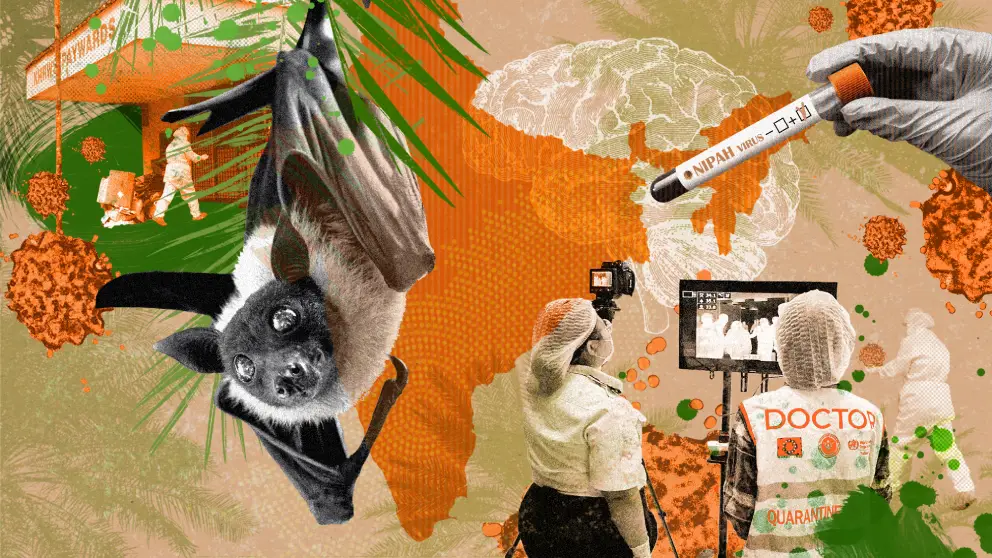
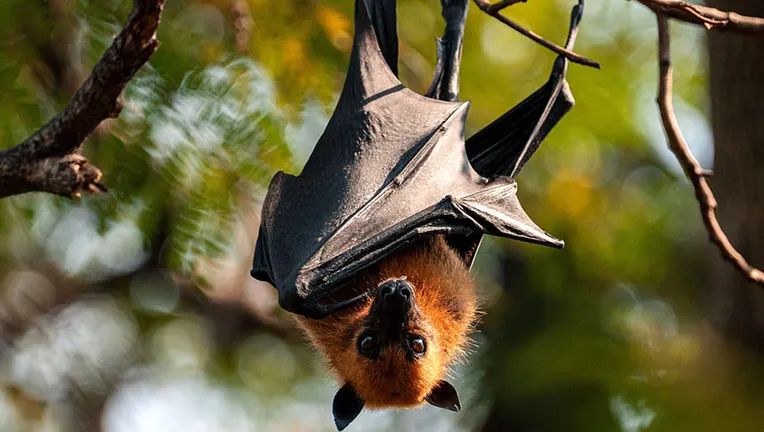
Think of the Nipah virus as a nasty bug that jumps from animals to people. It was first discovered back in 1998 in Malaysia and Singapore. The natural home for this virus is in fruit bats, also known as flying foxes.
So, how does it get to us? There are a few ways:
- Contaminated Food: The most common way is by eating fruits (like mangoes or dates) or drinking raw date palm sap (toddy) that has been contaminated by the saliva or urine of an infected bat.
- Infected Animals: It can also spread through direct contact with infected animals, like pigs, who may have caught it from bats.
- Person to Person: Once a person is infected, they can spread it to others through close contact with their body fluids, like saliva or respiratory droplets.
What makes Nipah so alarming is its high mortality rate, which can range anywhere from a frightening 40% to 75%. And to make matters worse, there is no specific vaccine or cure. Doctors can only provide supportive care, which means managing the symptoms and helping the body fight as best it can.
The Two Faces of Nipah: Understanding the Symptoms
Nipah infection is a bit like a two-act play, and the second act is far more dangerous than the first.
Phase 1: The Flu-Like Beginning
Initially, getting infected with Nipah might feel like a bad case of the flu or even COVID-19. The symptoms in this first phase include:
- Sudden high fever
- A severe headache
- Muscle pain and body aches
- Sore throat
- Nausea and vomiting
Because these symptoms are so common, it’s easy to mistake them for something less serious. A person might just think they have a common cold and continue with their daily life, which is where the danger really begins to build.
Phase 2: The Dangerous Neurological Turn
After the initial flu-like stage, the virus can take a devastating turn. This is where Nipah shows its true danger. It has a strong ability to attack the brain, causing a condition called encephalitis, which is a severe and dangerous inflammation of the brain.
When this happens, the symptoms become much more alarming:
There’s more to life than simply increasing its speed.
By Udaipur Freelancer
- Dizziness and drowsiness
- Confusion and disorientation (not knowing who or where they are)
- Memory loss
- Severe breathing problems
- Uncontrolled seizures and convulsions
As Dr. Bhavesh Kumar Barberi, a Consultant Neurologist, explains, a patient can go into a coma within just 24 to 48 hours of these neurological symptoms appearing. This rapid decline is what makes Nipah so terrifying for both patients and doctors.
The Real Threat: The Long and Silent Waiting Game
Now we get to the heart of the problem the 'silent period.' In medical terms, this is called the incubation period. It’s the time between when you first get infected with the virus and when you actually start to feel sick.
For many illnesses, this period is just a few days. But with Nipah, it can last for a shockingly long time anywhere from four to 45 days.
This is the hidden danger.
Imagine someone eats a piece of fruit contaminated by a bat. For the next week, two weeks, or even over a month, they feel completely normal. They have no fever, no headache, nothing. As Dr. Barberi puts it, "You might feel fine while inside your body the virus incubates."
During this long silent period, that person is a ticking time bomb. They go to work, take public transport, visit family, and hug their friends, all while potentially carrying and spreading a deadly virus without a single clue. This is how a single case can quickly turn into a cluster, leading to a wider outbreak before health officials even know there’s a problem.
This silent spread makes it incredibly difficult to control. Contact tracing the process of finding everyone an infected person has been in contact with becomes a massive challenge. How do you trace back someone's contacts over a period of 30 or 40 days? It’s a logistical nightmare.
So, How Can You Stay Safe?
Since there’s no cure, prevention is our absolute best defense against the Nipah virus. The good news is that the steps are simple and practical.
- Be Careful with Fruit: Avoid eating fruits that have visible bite marks or look damaged. It’s always a good idea to thoroughly wash and peel fruits before eating them.
- Avoid Raw Date Palm Sap: This toddy is a known source of Nipah transmission in some regions. It’s best to avoid it, especially in areas where outbreaks have occurred.
- Practice Good Hygiene: This is a golden rule for avoiding most illnesses. Wash your hands frequently with soap and water, especially before eating.
- Keep Your Distance: Avoid close contact with people who are sick, especially if they have fever or respiratory symptoms. Also, stay away from sick animals.
- Stay Informed: Pay attention to public health advisories from your local authorities, especially if you live in or are traveling to an area where Nipah has been reported.
The Bottom Line
The Nipah virus is a serious threat, not just because of its severe symptoms, but because of its ability to hide in plain sight. Its long, silent incubation period allows it to spread quietly through communities before anyone even realizes the danger.
By understanding how it spreads and taking these simple, common-sense precautions, we can protect ourselves and our loved ones. Staying informed and being a little extra cautious can make all the difference in preventing the spread of this dangerous virus.















Recommended for you
Must-See Art Exhibitions Around the World This Year
The Revival of Classical Art in a Digital Age
Breaking Down the Elements of a Masterpiece Painting
The Revival of Classical Art in a Digital Age