In today's fast-moving world, almost every device we use has a small digital brain. From our everyday smartphones and smart washing machines to advanced electric cars and defense systems, they all run on tiny pieces of technology called microchips, or semiconductors. These chips are the invisible lifeblood of the modern global economy. However, getting access to these chips has become a major global challenge. This is exactly why the Semicon India 2026 event has grabbed the attention of tech leaders, politicians, and business owners worldwide.
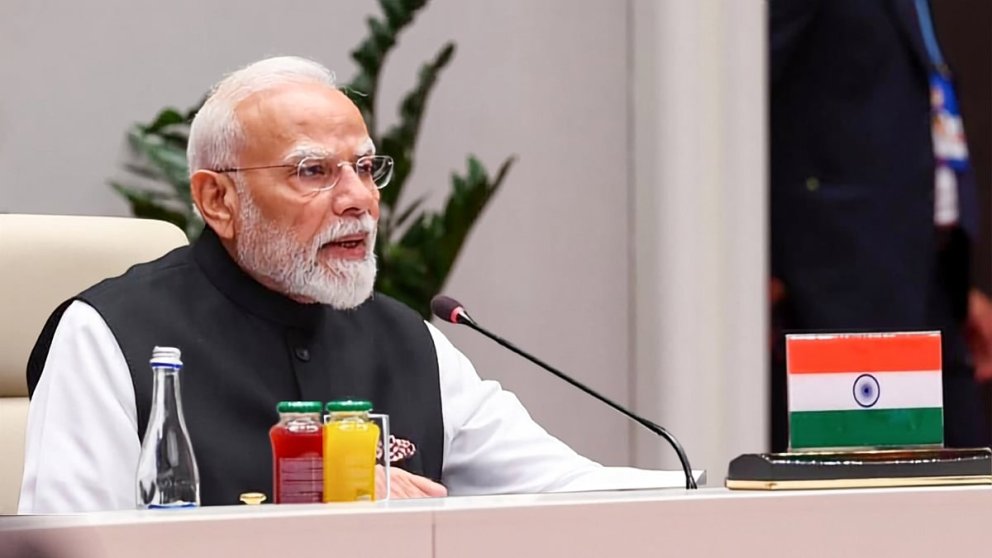
At this key event, Prime Minister Narendra Modi made a very strong and clear pitch for India. He invited global technology giants to set up their chip manufacturing units in India. His main message was direct: India is a safe, stable, and highly "trustworthy" destination. In a world where global supply chains are being used as political weapons, India wants to be the partner that everyone can rely on. But what does this mean for the tech industry, and why is this pitch happening right now?
The Rise of Weaponised Supply Chains
To understand PM Modi's powerful speech, we first need to look at how global supply chains work. A supply chain is the step-by-step path a product takes from raw materials to the final store shelf. For semiconductors, this path is incredibly long, complex, and delicate. A single microchip might be designed in the United States, manufactured in Taiwan, tested and packaged in Malaysia, and finally sold in a device in Germany. This means any disruption along the way can halt production globally.
Recently, we have seen major nations use their control over these delicate supply chains to put pressure on other countries. This is what experts call the "weaponisation" of technology. If one country controls all the chip factories, they can easily stop exporting to their rivals during a political conflict. This can freeze entire national industries overnight. Because of this high risk, tech companies are desperate to find new places to build chips. They want to work in countries that will not block exports when political winds change.
This urgent search for safe partners is changing how countries look at their global alliances. For example, recent geopolitical discussions, such as the Netanyahu India US ally dispute, highlight how tricky international friendships can be. In such a complex world, having a neutral, stable, and friendly manufacturing hub like India is incredibly valuable for global companies.
Why India is Focusing on Trust
During the Semicon India event, PM Modi highlighted that trust is the most important currency in the tech world today. He told global leaders that India does not just want to make chips to earn quick profits. Instead, India wants to build a long-term, reliable ecosystem. India is a democratic nation governed by the rule of law, which makes it a very safe bet for expensive investments.
India is backing this pitch with massive financial and policy support. The Indian government has launched a huge incentive package worth billions of dollars to help companies build factories. They are offering cheap land, fast approvals, and a continuous supply of electricity and clean water. More importantly, India has a massive talent advantage. With millions of young engineers graduating every year, India has the human power needed to run these high-tech chip design and manufacturing centers.
There’s more to life than simply increasing its speed.
By Udaipur Freelancer
The Economic Impact of Chipmaking
Becoming a global semiconductor hub would change India's economic future forever. Currently, India has to import almost all of the microchips it uses in local manufacturing. This costs the country billions of dollars every year and leaves its industries vulnerable. By making chips locally, India can save foreign exchange and create millions of highly skilled jobs for its youth.
This major technology push comes at a very important time for India's economy. Financial analysts have recently pointed out some concerns regarding a potential Sensex earnings slowdown and market valuation issues. Bringing in massive foreign direct investments for high-tech chip plants could provide the perfect counterweight. It can help keep India's overall economic growth on track and ensure long-term stability in the markets.
The Challenges on the Road Ahead
While the vision is highly exciting, building a chip industry from scratch is not an easy task. Semiconductor factories, also known as "fabs," are some of the most complex facilities on earth. They require absolutely uninterrupted power and massive amounts of ultra-pure water. Even a tiny, one-second power cut or a single speck of dust can ruin millions of dollars worth of delicate wafers. India will need to work hard to make sure its local infrastructure is completely flawless to compete with established players like Taiwan, South Korea, and Japan.
Another major challenge is patience. It takes several years and constant effort to construct, test, and start a chip factory. India will need to keep its business policies stable and friendly, regardless of political changes. Fortunately, early investments from global giants like Micron and local leaders like Tata Group show that the world is indeed ready to trust India with this journey.
Conclusion
Semicon India 2026 has proven that India is no longer just talking about the future; it is actively building it. By pitching itself as a trustworthy, democratic, and stable partner, India is offering a real solution to a major global anxiety. If India succeeds in this mission, it will not only secure its own technology future but also become the reliable backbone of the global tech industry. For tech enthusiasts and business watchdogs, this will be one of the most exciting transformations to watch over the next decade.















Recommended for you
Must-See Art Exhibitions Around the World This Year
The Revival of Classical Art in a Digital Age
Breaking Down the Elements of a Masterpiece Painting
The Revival of Classical Art in a Digital Age