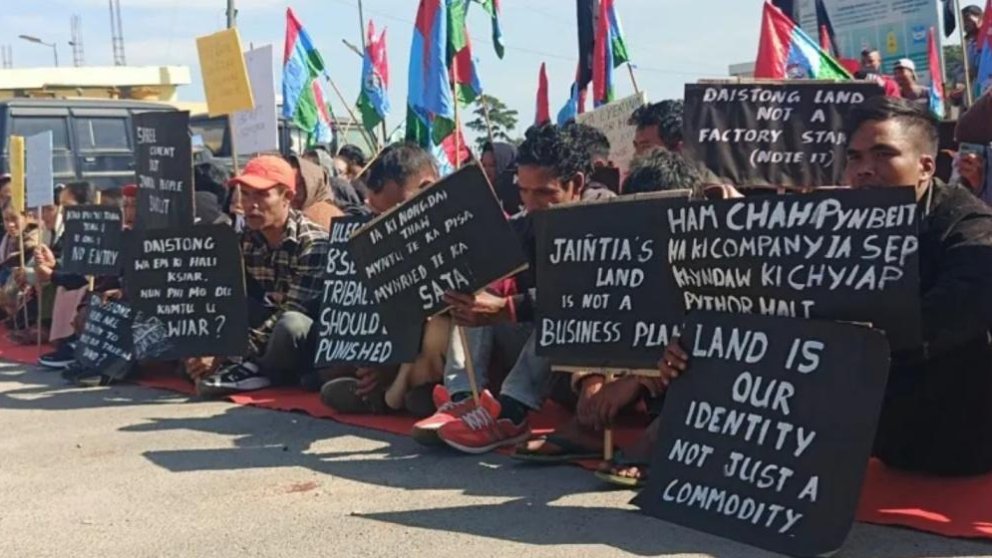
Tribal organizations in Meghalaya have raised strong voices asking the state government to safeguard the rights of local farmers before moving forward with any new cement project. The local tribal bodies believe that industrial development must never happen at the cost of traditional farming communities, land ownership, and local ecology.
Why Are Tribal Bodies Raising Concerns?
Meghalaya is known for its green hills, rich forests, and indigenous farming systems. Most people living in rural areas depend directly on agriculture for their daily bread. When large industrial projects like cement factories enter these areas, vast amounts of land and limestone resources are required. Tribal leaders worry that rapid industrial expansion can lead to land loss, water pollution, and damage to fertile farmlands.
The tribal groups have made it clear that they are not against economic growth. However, they want real guarantees that local landowners, small farmers, and village councils are protected first. They believe that no factory should be built without clear consent, proper compensation, and transparent plans to prevent pollution.
The Importance of Tribal Land Rights
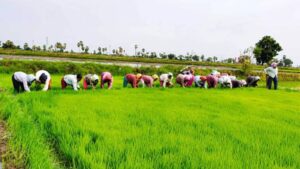
In Northeast India, tribal communities hold a deep cultural and economic connection to their ancestral lands. Farming is not just an occupation; it is a way of life that sustains entire generations. When large-scale mining or industrial units arrive, surrounding farmlands often suffer from dust, soil erosion, and drying water streams.
Similar debates over indigenous rights and forest protection are happening across the country. For instance, we see similar efforts where authorities push to recognize tribal claims, as seen when J&K speeds up FRA implementation to ensure indigenous families retain their historical forest and land rights. Protecting traditional boundaries gives local communities the security they need to survive and prosper.
Environmental Impact of Cement Factories
Cement manufacturing is an intensive industry. It requires limestone mining, heavy machinery, and continuous transportation. While cement is vital for building roads and houses, it can produce heavy dust and waste if strict environmental standards are not enforced.
Tribal bodies in Meghalaya have pointed out that previous mining and industrial activities in certain districts caused river water to turn acidic and degraded vast tracts of green cover. Farmers fear that any new project could harm local water sources used for drinking and irrigation. Balancing industrial needs with environmental safety is a major national challenge, similar to the discussions held when the Centre reissues Western Ghats eco-sensitive zone notification to safeguard critical biodiversity hotspots from unplanned commercial projects.
Key Demands from the Farmers and Tribal Groups
The tribal bodies have presented clear demands to the state administration before granting approvals for the proposed cement plant:
There’s more to life than simply increasing its speed.
By Udaipur Freelancer
1. Prior Informed Consent: Village councils and local landholders must be consulted directly before any land deals are finalized.
2. Fair Land Valuation: If land is acquired, farmers must receive adequate compensation that reflects long-term economic value, not just a one-time low payment.
3. Protection of Water and Farmland: Clear safety zones must be created around active agricultural lands and natural streams to avoid industrial runoff.
4. Local Employment Guarantees: If industrial units are established, local youth and affected families should receive job training and permanent employment opportunities.
The Path Forward for the Government
A healthy economy needs both agriculture and industry to work together. The government of Meghalaya now faces the task of listening closely to the voices of rural citizens. By setting up open discussions with tribal bodies and community elders, the administration can address legitimate fears and create balanced policies.
Sustainable growth means that development should uplift the poorest people in society rather than displacing them. If the government ensures strict environmental monitoring and fair treatment for every farmer, it can build trust while encouraging responsible industrial investment. Protecting farmers today ensures food security, peace, and stable progress for Meghalaya tomorrow.












Recommended for you
Must-See Art Exhibitions Around the World This Year
The Revival of Classical Art in a Digital Age
Breaking Down the Elements of a Masterpiece Painting
The Revival of Classical Art in a Digital Age