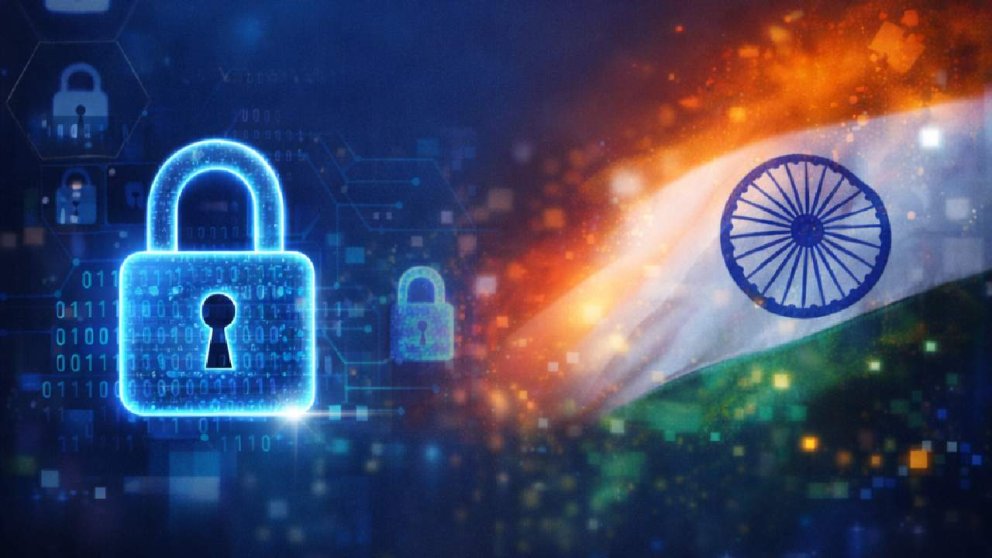
Recently, IT Secretary N. Manjula made a very important point about our digital world. She said that cybersecurity is not just a technical issue anymore. Instead, it is an economic imperative for the government. This means that protecting our digital systems is directly linked to the money, growth, and overall health of our country.
Many people used to think that cybersecurity was only for computers, hackers, and IT departments. But today, almost everything we do uses the internet. We send money online, pay taxes on digital portals, and run major businesses through cloud network systems. Because so much money moves online, keeping these networks safe is now vital for our economic future.
Understanding What Economic Imperative Means
When someone says something is an 'economic imperative,' they mean it is something we must do to keep our economy strong and growing. If we do not protect our systems, our economy will suffer heavy losses. Cyber threats can stop businesses from working, steal people's money, and leak private information.
IT Secretary N. Manjula emphasized that governments cannot separate economic growth from digital protection. Just as a government builds physical roads, bridges, and defense projects like the northeast first emergency highway landing strip to safeguard the nation, it must also build strong digital highways and safety systems to protect public wealth.
Why Digital Security Protects Our Wealth
There are many reasons why cybersecurity protects our nation's money. First, online banking and modern payment systems depend entirely on trust. If people feel their bank accounts are not safe online, they will stop using digital payments. This would slow down modern trade and harm businesses across the country.
Second, critical infrastructure relies heavily on computer networks. Power grids, clean water supplies, train networks, and airports all use connected software. If a hacker attacks a power grid, factories close down and companies lose millions of dollars. Therefore, keeping these networks secure keeps our businesses running without interruption.
The Real Costs of Cyberattacks
When a cyberattack happens, the cost is usually huge. Companies have to spend money to fix their systems, pay fines, and hire experts. Even worse, they lose the trust of their customers. When global investors look for places to open new offices, they look for countries with secure and safe digital environments.
There’s more to life than simply increasing its speed.
By Udaipur Freelancer
When reviewing government progress and administrative updates, such as the bjp delhi anniversary status report, digital progress and public safety remain constant topics of discussion. Governance now relies heavily on digital tools, meaning a single cyber incident can disrupt public services for millions of citizens.
How the Government Plan Can Move Forward
To make our digital economy strong, governments are focusing on a few simple but effective steps. First, they are putting money into upgrading old software and hardware across public offices. Older systems are easier for hackers to break into, so keeping tech updated is essential.
Second, training public workers and common citizens is key. Most digital attacks succeed because someone clicked on a fake email or used a weak password. By teaching basic online safety habits, many threats can be stopped before they cause any harm.
Finally, working together with private businesses, tech startups, and security researchers creates a safer digital environment. When government departments share information about new online threats, everyone can protect themselves faster.
Conclusion
The message from IT Secretary N. Manjula is very clear. Cybersecurity is no longer just a technical option or an added cost. It is a fundamental part of a healthy, growing economy. By protecting our online systems, we protect our investments, jobs, and digital future.















Recommended for you
Must-See Art Exhibitions Around the World This Year
The Revival of Classical Art in a Digital Age
Breaking Down the Elements of a Masterpiece Painting
The Revival of Classical Art in a Digital Age