India is getting ready for a huge event. The country is preparing for Census 2027. This upcoming population count will be very special. For the first time in independent India, the census will include a full caste enumeration. This means government workers will collect detailed data about different caste groups across the nation.
Even more interesting is where this massive activity will begin. The beautiful mountain region of Ladakh will lead the way. Local officers and teams in Ladakh will start the counting process before the rest of the country. This early start marks a historical moment for both the region and the nation.
Why Ladakh is Starting First
You might wonder why a small and distant region like Ladakh was chosen to go first. The main reason is geography and climate. Ladakh is located high up in the mountains. Winters there are extremely cold, and heavy snow often blocks roads for many months. Life becomes very tough during peak winter season.
Because of these harsh weather conditions, government enumerators cannot travel easily in winter. If the government waits for the normal nationwide schedule, many remote villages in Ladakh could be missed. To make sure every single person is counted, the authorities decided to complete the survey in snowbound areas much earlier. This smart planning ensures that local residents are counted safely and comfortably.
Understanding the First Caste Enumeration
The biggest update in Census 2027 is the decision to count castes. In past censuses after independence, India only counted Scheduled Castes (SC) and Scheduled Tribes (ST). The last full caste census in India happened way back in 1931 under British rule. Since then, experts and leaders have debated whether a full caste count was necessary.
Social groups and political leaders have asked for this data for many years. They believe accurate numbers are needed to create fair rules for education and jobs. These debates often link to broader discussions, such as ongoing political discussions on caste quotas and social welfare systems in the country. Knowing the exact population of each community can help the government design policies that truly support people who need help the most.
How Better Data Helps Public Planning
Good data is essential for good governance. When leaders know real numbers, they can build better schools, construct more hospitals, and allocate funds correctly. Without updated information, welfare programs might miss vulnerable communities or waste resources where they are not required.
In a similar way, governments frequently launch public policies to manage big challenges. For example, cities often introduce government efforts for urban management and conservation to handle pollution and traffic issues. In the same manner, accurate caste data will give planners a clear picture of social needs across urban and rural India.
There’s more to life than simply increasing its speed.
By Udaipur Freelancer
Digital Tools for a Modern Census
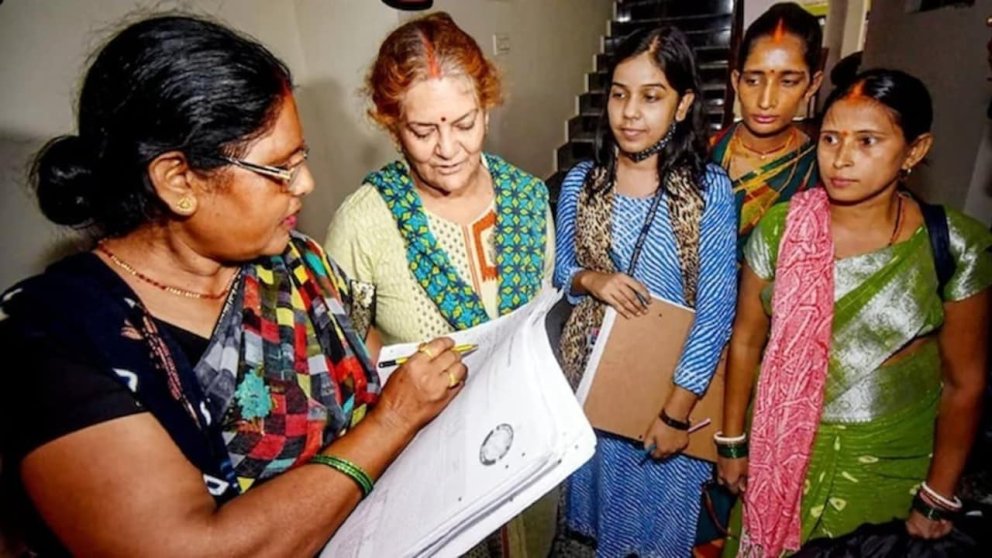
Census 2027 will also rely heavily on new technology. Instead of using only paper forms, officers will use mobile applications to collect details directly from families. This digital approach will save time, lower errors, and speed up data processing.
Citizens will also get the option to submit their own family details online through a secure web portal. This combination of digital forms and field visits will make Census 2027 the most modern survey India has ever conducted.
Challenges and Road Ahead
Counting over one billion people is a huge task. Doing it in high-altitude areas like Ladakh presents unique challenges like poor internet connectivity and tough roads. Teams will need proper training, rugged devices, and local support to reach every high mountain pass and valley.
Despite these challenges, official preparation is moving fast. Training sessions for local enumerators will begin soon. By starting early in Ladakh, government officials hope to test their systems and correct any problems before the census expands to the rest of India.
Conclusion
Census 2027 is set to make history. With Ladakh leading the way, India takes a major step toward collecting complete social data. This historic exercise will shed light on the changing picture of Indian society and help build a fairer future for everyone.















Recommended for you
Must-See Art Exhibitions Around the World This Year
The Revival of Classical Art in a Digital Age
Breaking Down the Elements of a Masterpiece Painting
The Revival of Classical Art in a Digital Age