Have you ever had a disagreement with a neighbor? Maybe over a fence, a loud party, or a borrowed lawnmower that was never returned? Well, imagine that on a global scale, and you’ve got a pretty good picture of the latest drama between the United States and Canada.
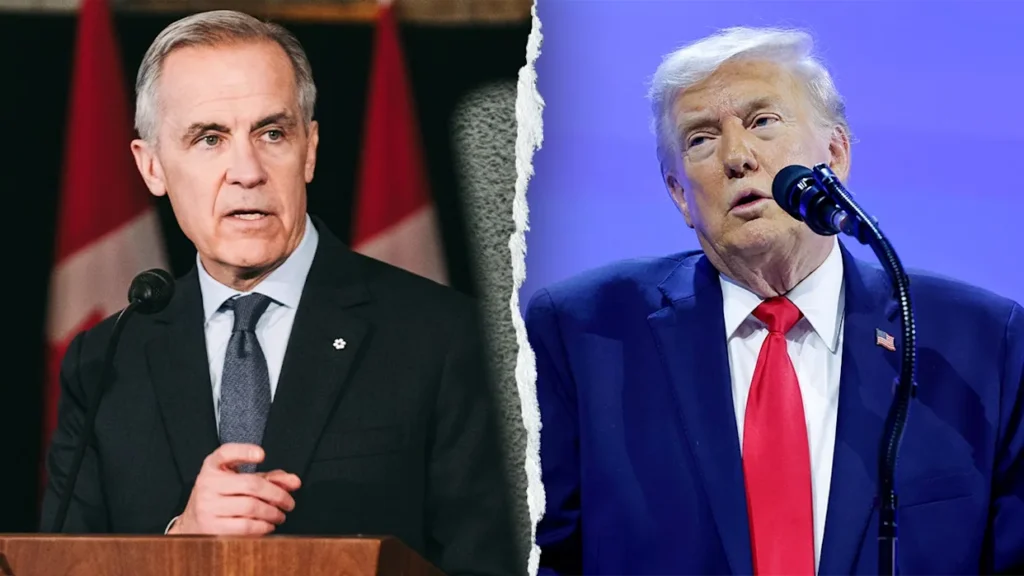
In a move that has everyone talking, former US President Donald Trump has issued a serious warning to his northern neighbors. if Canada makes a trade deal with China, he’ll slap a massive 100% tariff on all Canadian goods coming into the U.S.
That’s not a small threat. It’s a high-stakes move in the world of international trade. So, what’s really going on here? Let’s break it down.
What Sparked This Fiery Warning?
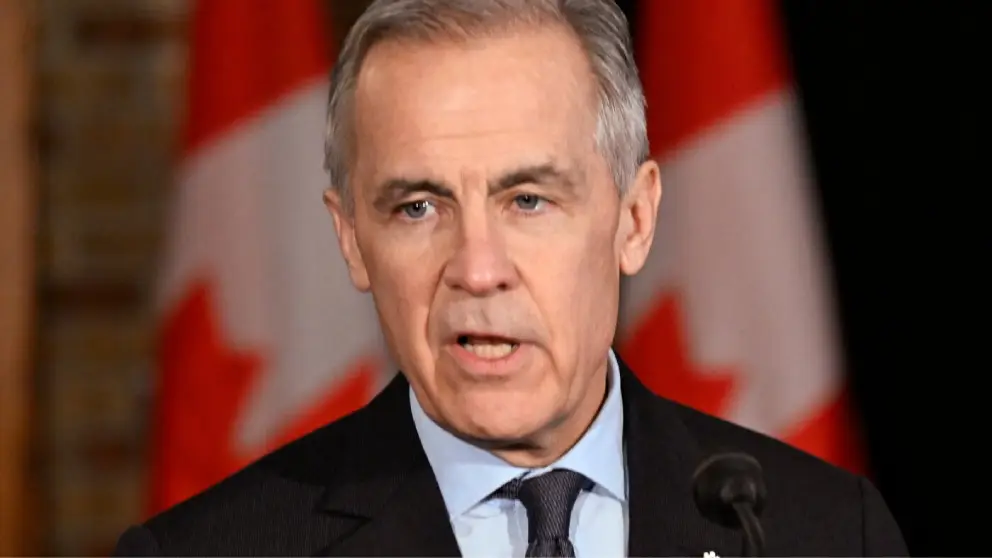
It all started with a new strategic partnership announced between Canada and China. A key Canadian figure, Mark Carney, and Chinese President Xi Jinping reached an agreement aimed at reducing some trade barriers between their two countries.
Here are the nuts and bolts of their reported deal:
- For Canada: China agreed to lower its tax (tariff) on Canadian canola oil from a hefty 20% all the way down to 5%. This is a big win for Canadian farmers.
- For China: Canada agreed to lower its tax on Chinese electric vehicles (EVs) from a staggering 100% down to a much more reasonable 6.1%.
Mark Carney, a prominent voice in Canadian finance, called the move a good thing and suggested it sets Canada up well for the new world order. Essentially, Canada is looking to make new friends and business partners on the world stage, trying not to put all its eggs in one basket the American basket.
Trump's No-Holds-Barred Response
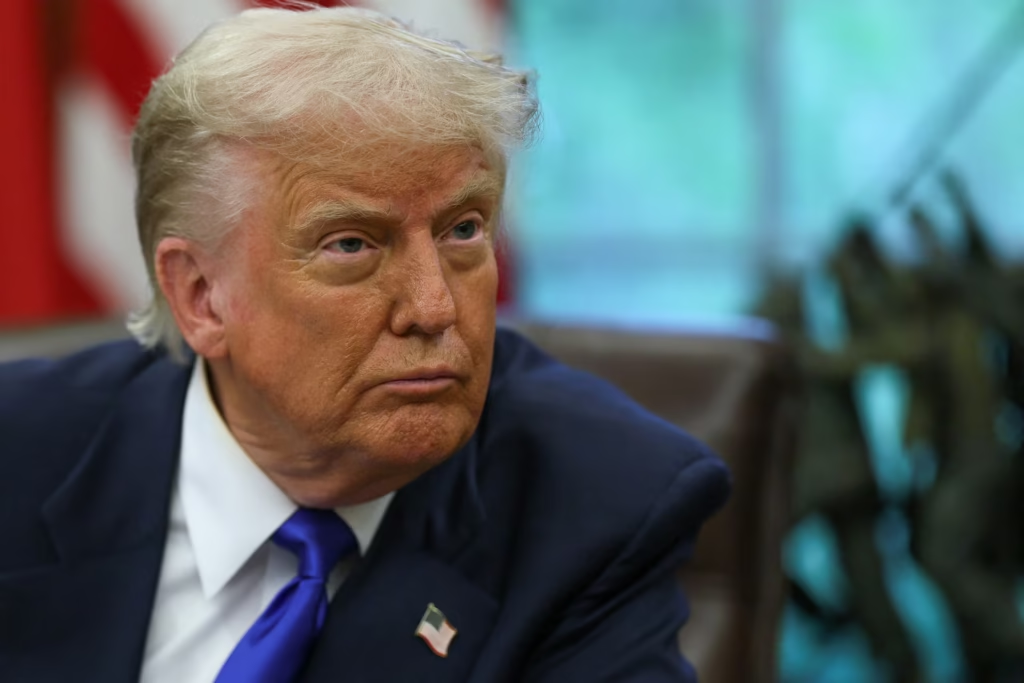
Donald Trump did not see this as a good thing. Not at all.
He took to his social media platform, Truth Social, to make his feelings crystal clear. He wrote, "If Canada makes a deal with China, it will immediately be hit with a 100% Tariff against all Canadian goods and products coming into the U.S.A."
Let’s be clear about what a 100% tariff means. It would effectively double the price of any Canadian product sold in the United States. That car part from Ontario? Double the price. That maple syrup from Quebec? Double the price. It would be a massive blow to the Canadian economy, which relies heavily on trade with the U.S.
Trump didn’t stop there. He also took a personal shot at Mark Carney, calling him a costly mistake and accusing him of trying to turn Canada into a "drop-off port for China to send goods and products into the United States."
A Story of Simmering Tensions
This latest threat didn't just come out of nowhere. Tensions between Trump and Canadian officials had been brewing for a while.
Before this incident, Carney had given a speech where he suggested that 'middle powers' (like Canada) should team up to stand against the economic pressure from greater powers a comment widely seen as a jab at the United States under Trump.
There’s more to life than simply increasing its speed.
By Udaipur Freelancer
Trump had fired back then, too, saying, "Canada lives because of the United States." He even went as far as to withdraw an invitation for Canada to join his new brand of Peace, showing just how strained the relationship had become. Canada's move to get cozier with China seems to be a direct result of this ongoing friction and what they saw as unpredictable on-again-off-again tariffs from the U.S.
Canada's Official Stance: "It's Not a Free Trade Deal"
With Trump’s threat echoing across the continent, the Canadian government quickly tried to do some damage control. Canada's trade minister, Dominic LeBlanc, released a statement to clarify the situation.
He insisted, "There is no pursuit of a free trade deal with China."
LeBlanc explained that the government's main focus is on building a stronger Canadian economy by creating diverse trade partnerships throughout the world. He downplayed the agreement, calling it a 'non-resolution on several important tariff issues' rather than a groundbreaking deal.
This leaves us with a bit of a mixed message. On one hand, we have reports of specific tariff reductions on major products like canola oil and EVs. On the other, the Canadian government is saying it’s not a formal trade deal. It seems Canada is trying to carefully navigate a tricky path expanding its trade options without completely angering its most important partner.
Why This Matters to All of Us
This isn't just a story about politicians and percentages. This high-level trade poker has real-world consequences.
If a 100% tariff were ever put in place, consumers on both sides of the border would feel it. Americans would see prices for many goods go up, from lumber for housing to everyday grocery items. Canadians would face a devastating economic hit, potentially leading to job losses.
This situation is a powerful reminder of how interconnected our world is. A deal made in Beijing can cause a political firestorm in Washington and create uncertainty for businesses and families in Ottawa. It’s a delicate balancing act, and right now, the whole world is watching to see who blinks first.
What do you think? Is Canada smart to explore new partnerships with countries like China, or is it a risky gamble that could damage its relationship with the U.S.? Let me know your thoughts in the comments below















Recommended for you
Must-See Art Exhibitions Around the World This Year
The Revival of Classical Art in a Digital Age
Breaking Down the Elements of a Masterpiece Painting
The Revival of Classical Art in a Digital Age