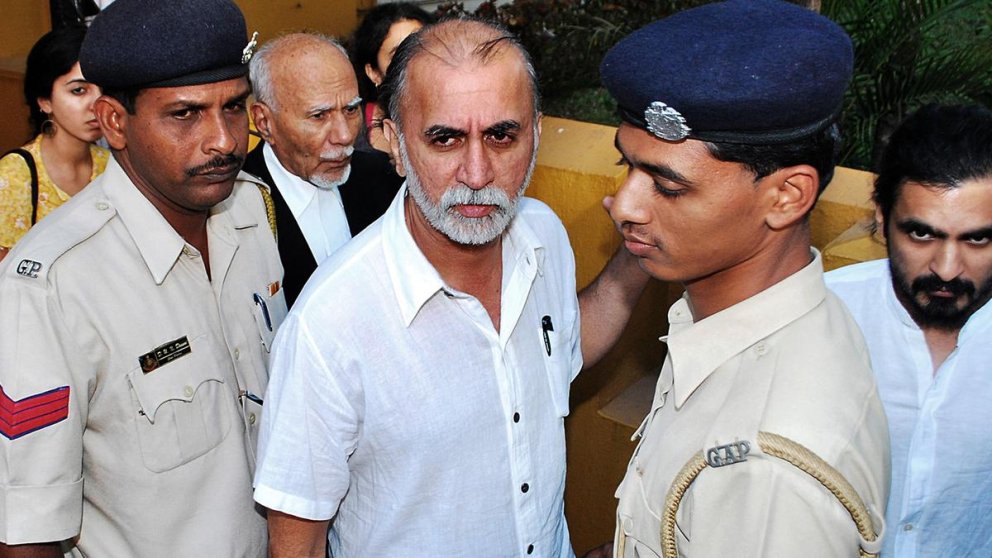
In a major legal update, the High Court has convicted journalist Tarun Tejpal in the long-running 2013 sexual assault case. The court overturned his earlier acquittal by a lower trial court and sentenced him to 10 years of rigorous imprisonment. This verdict ends a long legal journey that started more than a decade ago and has been watched closely across India.
Understanding the Background of the Case
The incident happened in November 2013 during a major media conference called 'Think Fest' at a five-star hotel in Goa. Tarun Tejpal, who was the editor-in-chief of Tehelka magazine at the time, was accused of sexually assaulting a female colleague inside an elevator. The victim reported the matter, leading to widespread outrage and a formal police investigation.
Goa Police arrested Tejpal shortly after the complaint was filed. He spent several months in jail before being granted bail by the court. Over the years, the case went through many legal delays, arguments, and court sessions before reaching a trial court decision.
From Trial Court Acquittal to High Court Conviction
In May 2021, a trial court in Goa acquitted Tarun Tejpal of all charges. The trial court judge gave him the benefit of doubt, citing minor inconsistencies in the victim's testimony and questioning her behavior after the incident. This trial court verdict was heavily criticized by women's rights legal experts and members of the public, who argued that victim-blaming should never be part of legal decisions.
The State of Goa immediately challenged the acquittal in the High Court. The state argued that the trial court had made a serious error in reviewing the evidence and had placed unfair judgment on the victim rather than examining the evidence against the accused properly. After detailed hearings, the High Court accepted the state's appeal, set aside the trial court's acquittal, and held Tejpal guilty under relevant sections of the law.
Key Legal Highlights and Importance of Consent
This judgment is seen as an important step for legal clarity surrounding consent and workplace safety. The High Court stressed that a victim's behavior before or after an assault cannot be used to erase the crime. The law clearly states that lack of consent is the main issue in any assault case.
In recent years, public discussions around legal standards have grown stronger, whether discussing workplace misconduct or cases involving privacy rights and personal safety. The court's decision reinforces the idea that justice must protect victims and hold powerful individuals accountable for their actions regardless of their status in society.
There’s more to life than simply increasing its speed.
By Udaipur Freelancer
Impact on Public Perception and Media
The Tejpal case was one of the earliest high-profile workplace harassment cases in India that received vast media attention. It encouraged many working women to speak up about unfair treatment, abuse of power, and safety in professional spaces. It also led to stricter implementation of workplace harassment laws across offices in India.
As big stories dominate the news cycle alongside political events like tension in Punjab Congress, legal decisions like this one stay in public memory because they directly impact society's rules and safety standards for everyone.
What Happens Next?
With the High Court sentencing Tarun Tejpal to 10 years in prison, he will have to surrender or be taken into custody as per the court directions. However, Tejpal's legal team has the option to appeal this High Court ruling in the Supreme Court of India. The Supreme Court will then decide whether to uphold the 10-year sentence or grant any temporary relief.
For now, the High Court verdict sends a strong message: power and influence cannot protect anyone from legal consequences when laws protecting dignity and safety are broken.















Recommended for you
Must-See Art Exhibitions Around the World This Year
The Revival of Classical Art in a Digital Age
Breaking Down the Elements of a Masterpiece Painting
The Revival of Classical Art in a Digital Age