For a long time, Pakistan’s official history books taught that the nation’s story began in 712 CE with the arrival of Muhammad bin Qasim. However, things have changed recently. The Pakistani government has started focusing heavily on the 5,000-year-old Indus Valley Civilisation. This shift is not just about archaeology; it seems to be part of a bigger plan to stake a claim over the Indus River waters.
A New Political Narrative
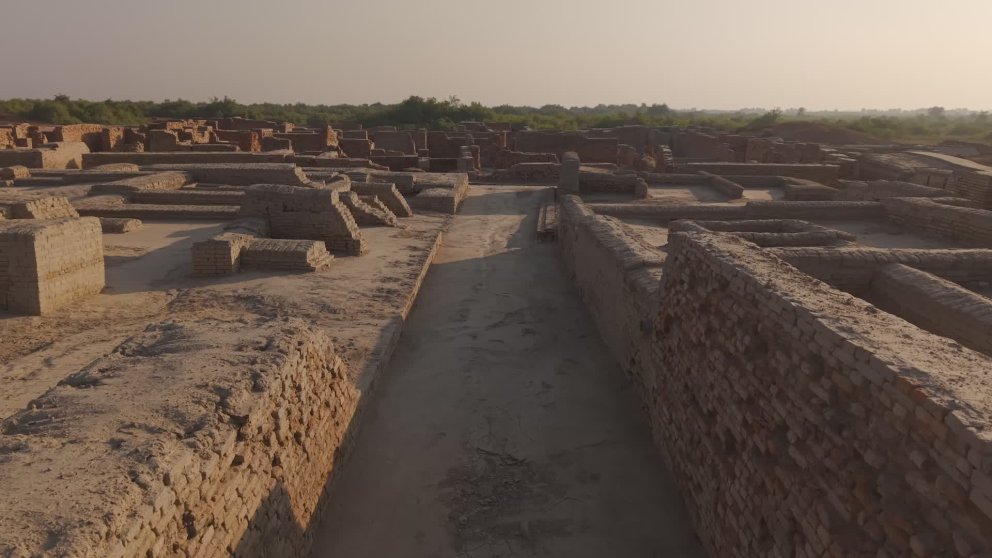
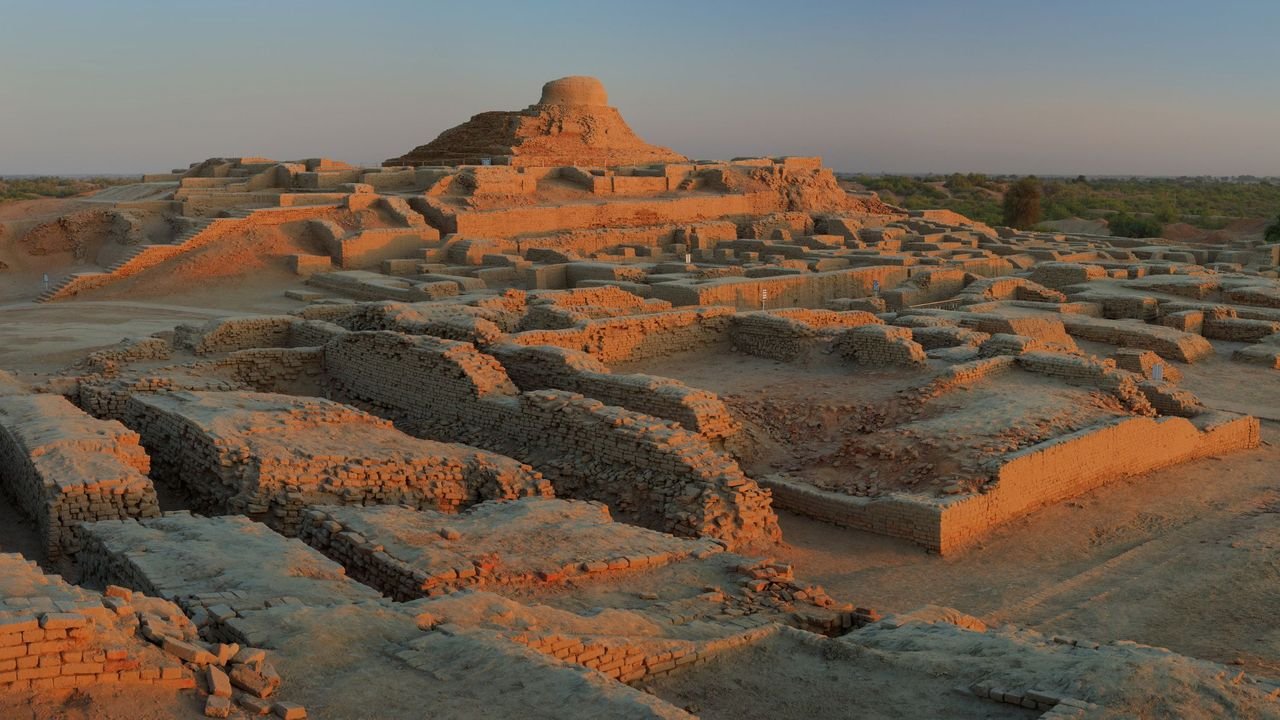
In 2025, Pakistan launched new excavations at Mohenjo-daro. This happened only months after India placed the Indus Waters Treaty in abeyance following a terror attack in Jammu and Kashmir. When political leaders like Bilawal Bhutto-Zardari invoke the legacy of the Indus Valley, they are doing more than celebrating history. They are arguing that because Pakistan is the "true custodian" of these ancient sites, it has a historic right to the river system itself.
Some analysts suggest this is a strategic move to portray Pakistan as the victim in a global water dispute. Just as one might look into complex infrastructure failures to understand systemic risks, we must look at these cultural shifts to understand the geopolitical tension between India and Pakistan. It is a way to frame the debate as a civilizational struggle rather than just a legal disagreement over a treaty.
Promoting Pre-Islamic Heritage
Pakistan is also promoting sites like Taxila and the Neolithic site of Mehrgarh. By highlighting these ancient regions, the state is trying to create a national identity that stretches back thousands of years. This is a massive pivot from their traditional focus on Islamic history. While exploring these ancient cultural wonders is fascinating, it is clear that the government is using these sites to gain international sympathy.
The push is so strong that even some commentators argue that the Indus River belongs solely to Pakistan because the history along its banks is part of their national identity. However, this claim is disputed. Historical sites like those in Gandhara have deep ties to Afghanistan as well, proving that history is rarely exclusive to modern borders. Much like understanding the science behind modern innovations, we must filter these political claims through a lens of reality and historical accuracy.
There’s more to life than simply increasing its speed.
By Udaipur Freelancer
Why This Matters for India
India remains firm that the Indus Waters Treaty cannot continue as normal while cross-border terrorism continues. By bringing ancient history into the argument, Pakistan hopes to pressure India into dropping its suspension of the treaty. Whether this strategy will work is uncertain. What is certain is that the Indus Valley is now a central piece of the diplomatic chess game being played between the two nations.
As the situation develops, the world is watching. Will these cultural narratives change the outcome of the water treaty? Probably not, but they do show how deeply history can be manipulated for modern political gain. The story of the Indus is no longer just about the past; it is firmly about the future of two nuclear-armed neighbors struggling over a life-giving resource.
Udaipur Freelancer delivers high-quality web, marketing, and design solutions. We focus on building impactful digital experiences that help your brand succeed in today's market.















Recommended for you
Must-See Art Exhibitions Around the World This Year
The Revival of Classical Art in a Digital Age
Breaking Down the Elements of a Masterpiece Painting
The Revival of Classical Art in a Digital Age