Introduction: When Students Stand Up
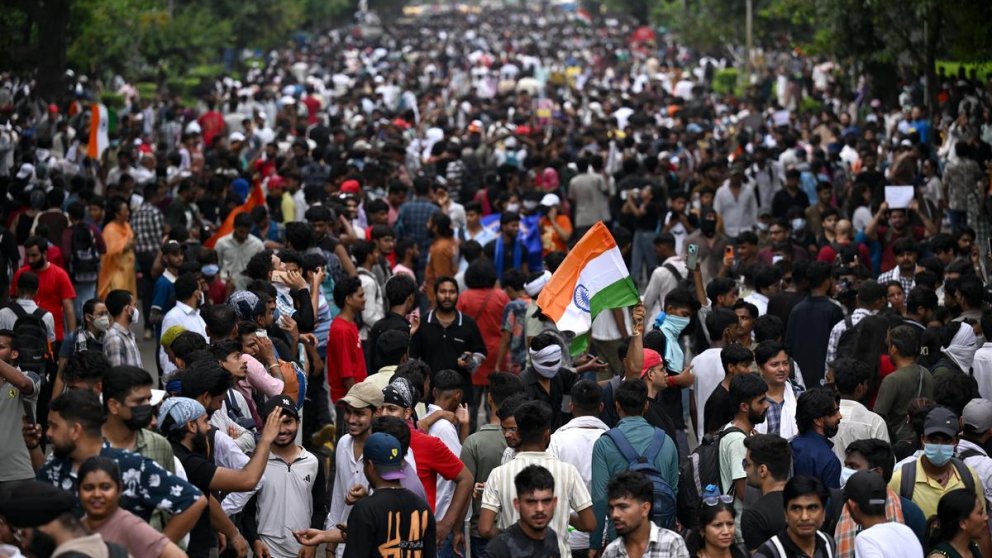
Students have always been a very important part of society. They go to school and university to learn new things and build a better future. They also ask hard questions about how their country is run. Throughout history, young people have stood up for fairness, freedom, and good governance. But what happens when the government or state treats its own students as enemies? This is a crucial topic that we need to talk about today.
When a state fights against its students, it sends a worrying signal. It shows that leaders may be afraid of new ideas or critics. Instead of listening to young people, some authorities try to silence them. Understanding why this happens gives us key lessons about democracy, law, and human rights.
Why Students Are Often the First to Protest
Young people in colleges spend a lot of time reading, thinking, and discussing big ideas. They learn about justice, equal rights, and freedom of speech. When they see things in society that are unfair, they naturally want to speak out. Unlike politicians, students do not have big political careers or businesses to protect, so they speak from their heart.
In many countries, student movements have started major social changes. Students have protested against unfair wars, demanded better education, and called for honest government. Because students are full of energy and hope, they can inspire many people to demand change. This makes them strong, but it also makes them targets for governments that do not want to change.
How Governments Respond to Student Voices
When students hold protests, leaders have a clear choice. They can sit down and talk with the students, or they can use police force to stop them. Sadly, many governments choose force. They may send armed guards to schools, block internet access, or create strict laws to stop peaceful meetings.
In many places around the world, peaceful protests are met with heavy security actions. This issue is deeply connected to larger discussions about diplomacy disruption and rights records. When states use heavy force against young citizens, it often creates more anger instead of solving the core problems. It shows that the state is relying on power rather than reason.
Global Events and Political Conflict
State power and public protest are not limited to one single country. We see political conflicts and government actions across the whole world. For example, international news often reports on deep political shifts, such as when tensions rise during major political events in Iran. These global events show how governments handle public pressure and political change.
When leaders use harsh measures to control citizens, it breaks the trust between the public and the government. Students who face violence or arrest often lose faith in democratic systems. This damage can last for a very long time and lead to years of instability.
There’s more to life than simply increasing its speed.
By Udaipur Freelancer
Key Lessons We Must Remember
There are several simple lessons we should remember when looking at conflicts between the state and students:
First, peaceful disagreement is a fundamental right. A healthy country needs citizens who can point out mistakes and offer new ideas. When a state silences its youth, it silences its own future thinkers and innovators.
Second, force does not fix real problems. Using force against students might clear the streets for a few days, but it does not fix issues like high tuition fees, lack of jobs, or bad laws.
Third, dialogue is always the best path forward. Leaders should meet with student representatives and listen carefully to their worries. True strength comes from listening and solving problems together.
Conclusion: Protecting the Future
Students represent the future of every nation. How a government treats its young people during times of disagreement shows its true values. When the state turns against its students, the whole country suffers.
To build a peaceful society, we must protect the right of students to learn, question, and speak freely. Supporting young voices is essential for a fair world for everyone.














Recommended for you
Must-See Art Exhibitions Around the World This Year
The Revival of Classical Art in a Digital Age
Breaking Down the Elements of a Masterpiece Painting
The Revival of Classical Art in a Digital Age