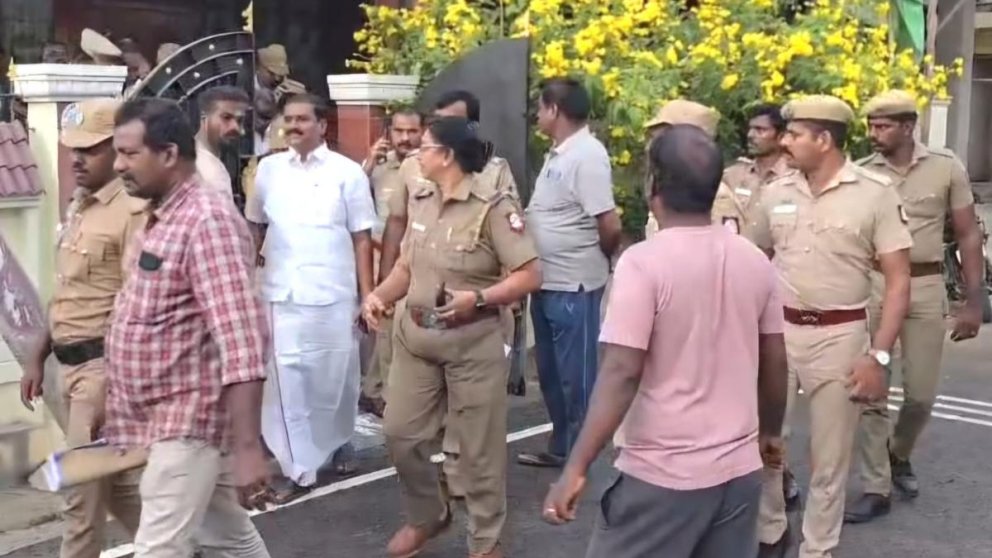
A new legal case has made headlines today in Indian politics. Police have registered a case against prominent leader Sasikala and several other individuals. This legal action comes right after a formal complaint was lodged by a leader from the Democratic Youth Federation of India (DYFI). The incident has generated a lot of public interest and created political debates across the region.
In this blog post, we will explain the details of the complaint, why the police took action, and what this legal step means for local politics. We will also look at how legal cases involving political figures shape public discussion in India.
Why Was the Case Filed Against Sasikala?
The controversy started when the DYFI leader submitted an official complaint to the local police station. The complainant alleged that Sasikala and her associates made controversial remarks or engaged in activities that could disturb public peace. The DYFI leader argued that these actions aimed to divide people or hurt public harmony in the area.
After reviewing the written complaint, the police decided that there was enough reason to register a First Information Report (FIR). An FIR is the first official document prepared by police when they receive information about a cognizable offense. By registering this case, the police can now officially start their investigation into the matter.
When legal cases like this occur, they often raise questions about political rights, safety, and freedom of expression. If you are interested in broader discussions about law and public rights, you can read more about diplomacy disruption and India's rights record to understand the national background.
The Role of Youth Organizations Like DYFI
The Democratic Youth Federation of India, commonly known as DYFI, is a strong political youth movement. They frequently monitor local political developments and raise concerns whenever they believe public peace or legal standards are threatened. In this situation, the DYFI leaders took quick action by going directly to the authorities with their grievances.
By filing this complaint, DYFI aims to hold political figures accountable for their statements and actions. They argue that leaders must be careful with their words because provocative speeches can lead to tension in local communities. The complaint emphasizes the need for public order and legal responsibility among all political speakers.
This is not the first time political entities and government authorities have taken active legal measures during public disputes. For instance, in other states, governments take strong regulatory actions on various matters, such as when the Maharashtra government announces audit of church and missionary land. Such events show how public organizations and state bodies keep a close watch on political and community affairs.
What Are the Legal Sections Involved?
While full details of the charges are being verified, cases like these usually involve sections of the Indian Penal Code related to promoting enmity, disturbing public peace, or making statements that cause public mischief. Once an FIR is registered, the individuals named in the complaint may be called for police questioning.
There’s more to life than simply increasing its speed.
By Udaipur Freelancer
Sasikala and the other accused individuals will have the opportunity to defend themselves legally. They can approach the courts to seek anticipatory bail or ask the court to dismiss the FIR if they feel the charges are groundless or politically motivated. In Indian law, everyone is considered innocent until proven guilty in a court of law.
How Is the Public Reacting to This News?
The news of the police case has created a division among supporters and political opponents. Supporters of Sasikala claim that the complaint is purely political and aimed at silencing key leaders. They believe the police action was taken too quickly and without proper preliminary checks.
On the other hand, supporters of DYFI and the general public believe that the law should take its natural course. They feel that no leader, regardless of their status or influence, should be above the law. Many citizens hope that the investigation will be fair, transparent, and quick, so that truth comes out without unnecessary political drama.
What Happens Next in the Investigation?
The next phase involves the police gathering evidence, collecting statements from witnesses, and examining video recordings or transcripts of any speeches mentioned in the complaint. If the police find sufficient evidence during their investigation, they will submit a charge sheet to the local court.
If the evidence is weak, the police can close the case by filing a final report. Until then, both sides are preparing their legal strategies. Political observers are watching the situation closely to see how this legal battle will unfold in the coming days and how it might impact local political dynamics.
Conclusion
The decision to book Sasikala and others following a complaint by a DYFI leader highlights the ongoing friction between different political groups. It serves as a reminder of the power of legal mechanisms in public life. As police investigations continue, the public will be watching closely to see how the court system handles this sensitive case.














Recommended for you
Must-See Art Exhibitions Around the World This Year
The Revival of Classical Art in a Digital Age
Breaking Down the Elements of a Masterpiece Painting
The Revival of Classical Art in a Digital Age