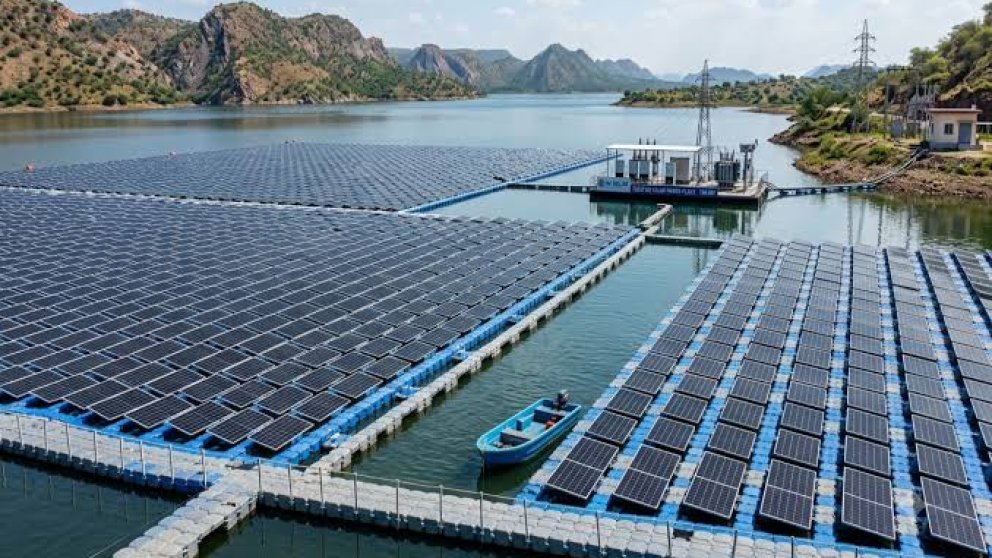
The government has taken a big step toward a cleaner and greener future. The Cabinet has officially approved a new scheme to promote floating solar plants across the country. Floating solar plants are solar energy systems that float on top of water bodies like lakes, reservoirs, dams, and ponds. Instead of using valuable land on ground, these solar panels float on water and produce clean electricity from sunlight.
This new approval is very exciting news for everyone who cares about renewable energy and environmental safety. It shows that the government is serious about using innovative ideas to generate power while protecting natural resources. In this blog post, we will explore what floating solar panels are, why they are so useful, and what this new Cabinet scheme means for the future of clean power.
What Are Floating Solar Plants?
When most people think of solar power, they imagine dark glass panels installed on roofs or large fields. Floating solar plants, also known as floatovoltaics, work in a very similar way. However, instead of sitting on land, the solar panels are fixed to floating platforms that sit on top of bodies of water.
These floating platforms are anchored safely so they do not drift away with water currents or strong winds. Special cables carry the electricity produced by the floating panels back to the main power grid on land. Floating solar projects can be set up on artificial reservoirs, lakes near hydroelectric dams, or industrial ponds.
Why Use Water Instead of Land?
Installing solar panels on land requires a lot of open space. In many places, land is very expensive and hard to get. Land is also needed for farming, forest protection, housing, and industrial development. Building large solar parks on ground sometimes leads to the clearing of trees or conflicts over land usage.
By placing solar panels on water bodies, we solve the land shortage problem. Floating solar plants turn unused water surfaces into power plants without taking away any farmland or forest area. This allows countries to grow their clean energy capacity rapidly without competing for land space.
Key Advantages of Floating Solar Plants
Floating solar technology offers several distinct advantages over traditional land-based solar panels. Here are the main benefits that make this scheme so promising:
First, floating solar saves water. When solar panels cover a water body, they block direct sunlight from reaching the water surface. This significantly reduces water evaporation, especially during hot summer months. Saving water in reservoirs is crucial for farming, drinking supplies, and local ecosystems.
Second, the cooling effect of water increases energy output. Solar panels work best when they stay cool. On hot land, solar panels can overheat and become less efficient. Water keeps the floating panels cooler, allowing them to perform better and generate more electricity throughout the day.
Third, floating panels help control algae growth. Sunlit water encourages harmful algae to bloom rapidly. By shading the water surface, floating panels limit sunlight and slow down the growth of excessive algae, keeping the water cleaner.
There’s more to life than simply increasing its speed.
By Udaipur Freelancer
Fourth, these plants work well with hydro power dams. Many reservoirs already have existing power transmission lines. Installing floating solar on these reservoirs saves money because workers do not need to build new power lines to connect the solar plant to the national grid.
Details of the Cabinet Approved Scheme
The newly approved scheme aims to speed up the setup of floating solar projects across states. Under this initiative, the government will provide financial assistance, policy support, and clear guidelines to encourage developers and power companies to build floating solar projects.
The scheme will help identify suitable water bodies, secure fast approvals, and reduce financial risk for private investors. By creating a strong environment for floating solar, the scheme aims to add gigawatts of green energy to the national grid over the coming years. This will help reduce dependence on coal and other fossil fuels that cause air pollution and global warming.
As clean energy projects grow, staying updated on policy news and public affairs is important. Just like students follow breaking news for their academic journey like the AP Inter supplementary results 2026 live updates, citizens and investors should keep an eye on government project announcements to understand new economic opportunities.
Challenges and Future Outlook
While floating solar energy has amazing potential, there are a few challenges that must be managed carefully. Setting up floating platforms is currently more expensive than building traditional solar parks on land. Water resistant materials, strong anchors, and specialized electrical cables cost extra money.
Maintenance can also be tricky. Workers need boats and special safety equipment to inspect and clean floating panels. Additionally, planners must ensure that floating structures do not harm aquatic life, fish, or local water sports activities.
To build public trust in large infrastructure funding, transparency is essential. When government funds and private investments enter green energy projects, clear oversight ensures success, similar to how authorities handle financial accountability in cases like the TMC MLA probe bank accounts source funds investigation. Proper management guarantees that taxpayer money builds long lasting and high quality solar installations.
Conclusion
The Cabinet decision to promote floating solar plants is a welcome step toward sustainable development. By using floating technology, we can save land, preserve precious water resources, and generate clean energy efficiently. As technology improves and costs decrease, floating solar will play a major role in powering our homes, schools, and industries in a clean and safe way.















Recommended for you
Must-See Art Exhibitions Around the World This Year
The Revival of Classical Art in a Digital Age
Breaking Down the Elements of a Masterpiece Painting
The Revival of Classical Art in a Digital Age