A Warning Signs Ignored in Mulshi
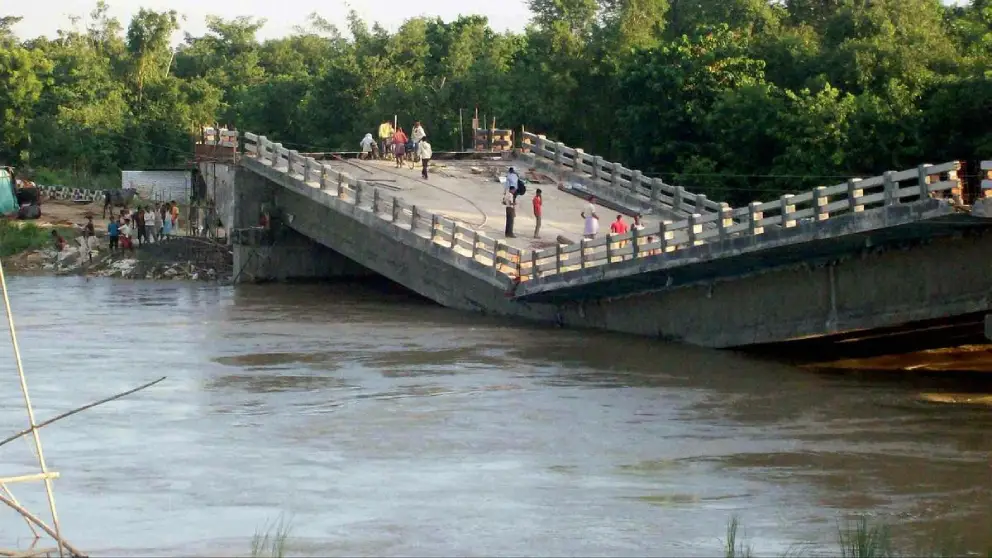
Infrastructure is the backbone of any growing region, yet in Pune’s Mulshi taluka, that backbone is literally breaking. Recently, the protective grill of a vital bridge connecting Hotale village to the Kolwan-Paud road collapsed. This was not a sudden surprise, but the tragic result of long-term neglect. As we look at the state of public works in India, one must ask: is our infrastructure safety being treated with the urgency it deserves, or are we just waiting for the next disaster to strike?
The Sequence of Neglect
The bridge had been flagged as unsafe for heavy vehicles for years. A warning board stands as a lonely sentinel, telling drivers not to cross, yet the heavy traffic continues. About 10 days before the recent collapse, a vehicle crashed into the bridge, damaging the grill. When heavy rains arrived, the already weakened structure gave way entirely. Local officials, like Sarpanch Dhanashree Palkar, have been pleading for a new, permanent structure, citing that heavy construction vehicles serving the private hill station of Girivan are constantly putting pressure on this fragile link.
Why Student Safety Cannot Wait
The impact of this decay goes beyond simple transportation; it hits the most vulnerable. Children of workers living in the area rely on this bridge to reach their government school by bus. When the river is in spate, the bridge becomes a terrifying crossing. Local community leaders like Devika Nadig have been fighting to get the authorities to act, but bureaucracy is slow. While we see high-level debates on government fiscal priorities, the immediate need for a safe school route remains unfunded and ignored.
Learning from the Past
We have been here before. Last year, a bridge in Kundamala collapsed after being declared unfit for use, leading to the tragic loss of tourist lives. The failure in Mulshi is a carbon copy of that disaster—a warning board is not a solution; it is a temporary patch on a gaping wound. The Public Works Department (PWD) has promised to repair the grill in the coming days, but a cosmetic fix for a bridge that is fundamentally unsafe for heavy traffic is like putting a bandage on a broken leg.
There’s more to life than simply increasing its speed.
By Udaipur Freelancer
Moving Toward Accountability
Infrastructure management requires more than just filling out forms or writing letters. It requires a commitment to human rights and public safety. When local leaders like Gram Sevak Poonam Suryavanshi sound the alarm, the government must respond with more than just temporary repairs. We need structural audits, permanent replacements for aging bridges, and strict enforcement of weight limits on local roads. If we continue to prioritize rapid development over basic safety, we are simply inviting more headlines about preventable tragedies. It is time for authorities to stop observing the collapse and start building a future that keeps our citizens safe.









Recommended for you
Must-See Art Exhibitions Around the World This Year
The Revival of Classical Art in a Digital Age
Breaking Down the Elements of a Masterpiece Painting
The Revival of Classical Art in a Digital Age