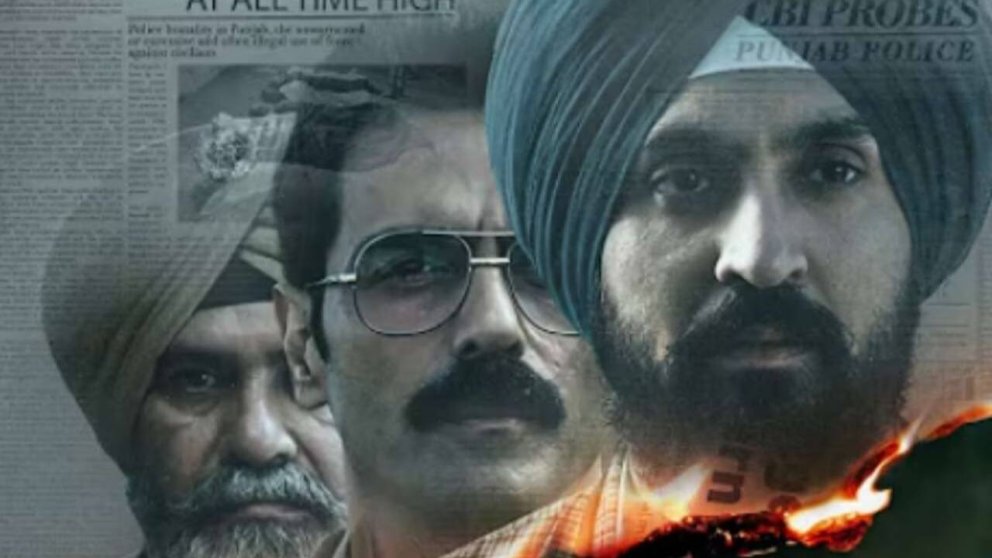
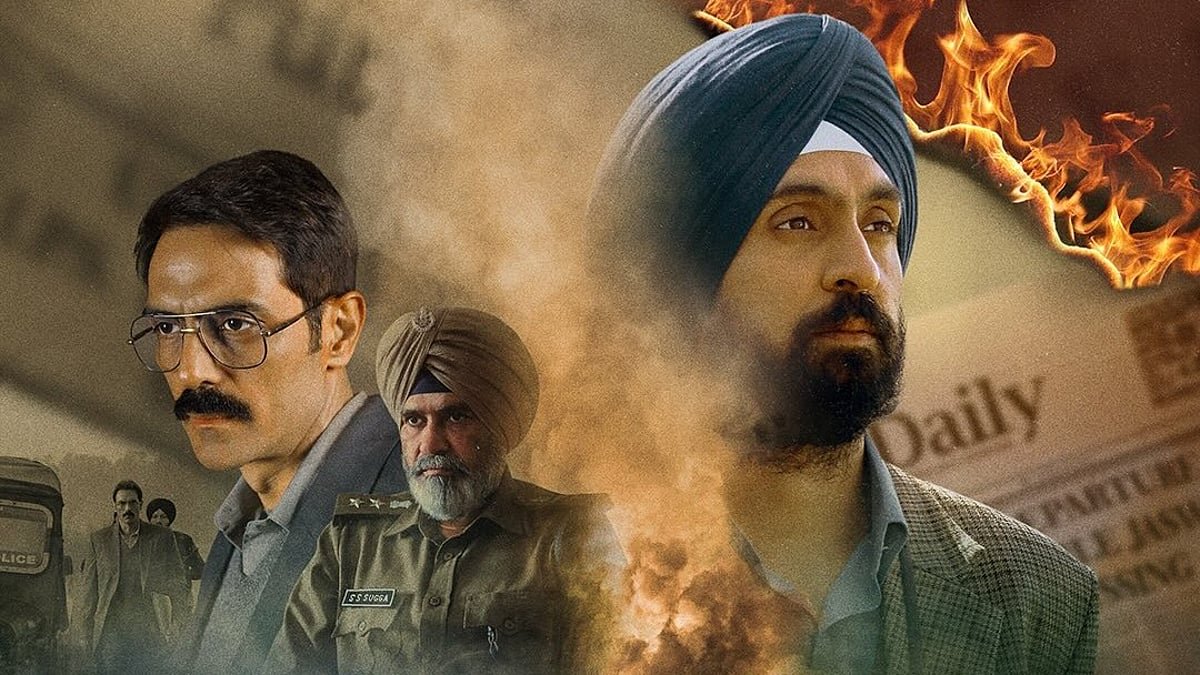
A recent film release has sparked a major debate in India. The movie titled Satluj, which stars popular actor Diljit Dosanjh, was taken off the ZEE5 streaming platform just 48 hours after it was released. Many fans were surprised to see the film disappear so quickly after a long three-year wait for its debut.
What is the Film About?
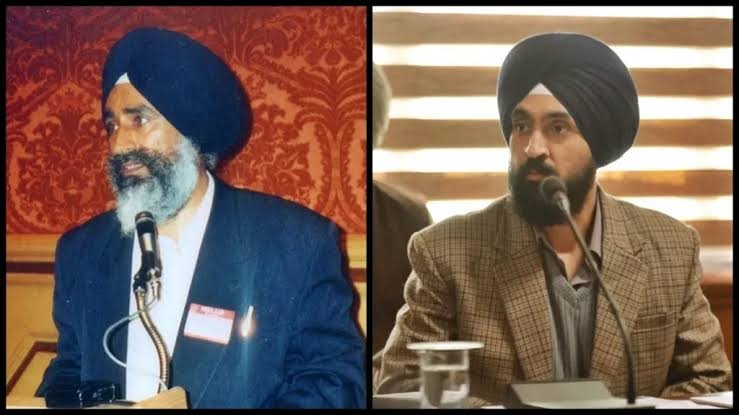
Satluj tells the story of Jaswant Singh Khalra, a human rights activist. In the 1980s and 1990s, during a very difficult time in Punjab, Khalra investigated the disappearance of thousands of people. His work suggested that many people were secretly cremated by police forces without their families ever being notified. This sensitive subject matter made the film a target for intense scrutiny by authorities. Much like how researchers study the evolution of computers using human brain cells, filmmakers often try to uncover difficult truths about our past to help society understand its history.
The Struggle with Censors
The journey to release the film was not easy. The Central Board of Film Certification (CBFC) initially asked for 21 cuts to the movie. Later, this number grew to 127 changes. The director, Honey Trehan, claimed the board even asked him to remove the name of the real-life hero, Jaswant Singh Khalra. Trehan argued that changing the name would erase a martyr's identity from history. He felt the board's actions were an attack on freedom of speech, much like debates happening in other industries regarding global policy changes, such as those discussed in international relations and diplomacy.
Why Was It Removed?
After refusing to make the cuts for three years, the makers finally released the film on OTT in its original, uncut version. However, ZEE5 removed it shortly after, stating that the film was on "pause" due to "current developments." The platform did not give specific reasons but stated they continue to support the makers and the story. The sudden removal has left viewers wondering about the future of creative freedom in Indian cinema.
There’s more to life than simply increasing its speed.
By Udaipur Freelancer
The case of Satluj remains a significant example of the ongoing tension between artistic expression and government censorship. As the debate continues, it is clear that stories about human rights and historical events will continue to be a subject of intense public interest and political sensitivity.
Udaipur Freelancer delivers high-quality web, marketing, and design solutions. We focus on building impactful digital experiences that help your brand succeed in today's market.











Recommended for you
Must-See Art Exhibitions Around the World This Year
The Revival of Classical Art in a Digital Age
Breaking Down the Elements of a Masterpiece Painting
The Revival of Classical Art in a Digital Age