Water is life. It’s something we often take for granted. But what happens when the flow of a river becomes a tool in a high-stakes political game? For decades, the Indus Waters Treaty (IWT) between India and Pakistan was a rare example of cooperation, something that held firm even through wars and conflicts.
But on April 23, 2025, everything changed.
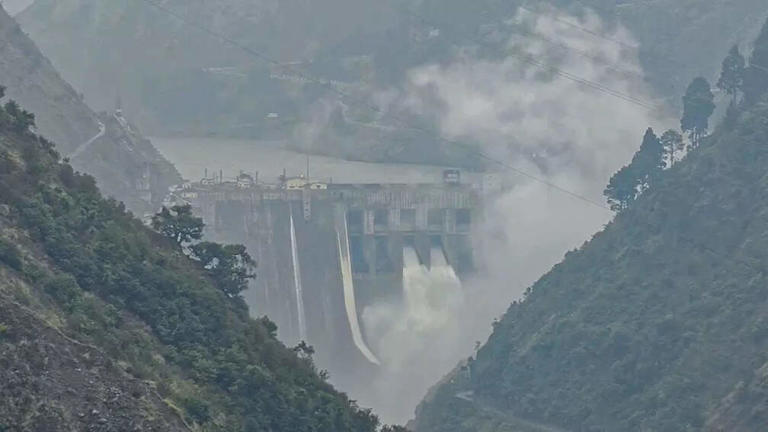
Just a day after a tragic terrorist attack in Pahalgam claimed 26 lives, India made a move that sent shockwaves across the border. New Delhi decided to freeze the Indus Waters Treaty. This wasn't just a technical pause; it was a loud and clear message that has plunged Pakistan into a state of panic.
Let's break down what happened and why this move is such a big deal.
A Powerful Message, Not Just a Policy Change
To understand the panic in Pakistan, we first need to understand that India's decision wasn't random. It was a direct response to the Pahalgam attack, which was linked to terrorists from Pakistan.
For the first time since the treaty was signed in 1960, India officially connected the sharing of water to the issue of terrorism. The message was simple and blunt: Normal cooperation cannot exist alongside abnormal hostility.
In other words, India was telling Pakistan, "You can't expect us to share our water resources with you as friends while you allow terrorist groups to attack us." This move fundamentally changed the rules of the game. The treaty, once considered untouchable, was now on the table as a point of leverage.
Why Pakistan Panicked: A Nation on the Brink
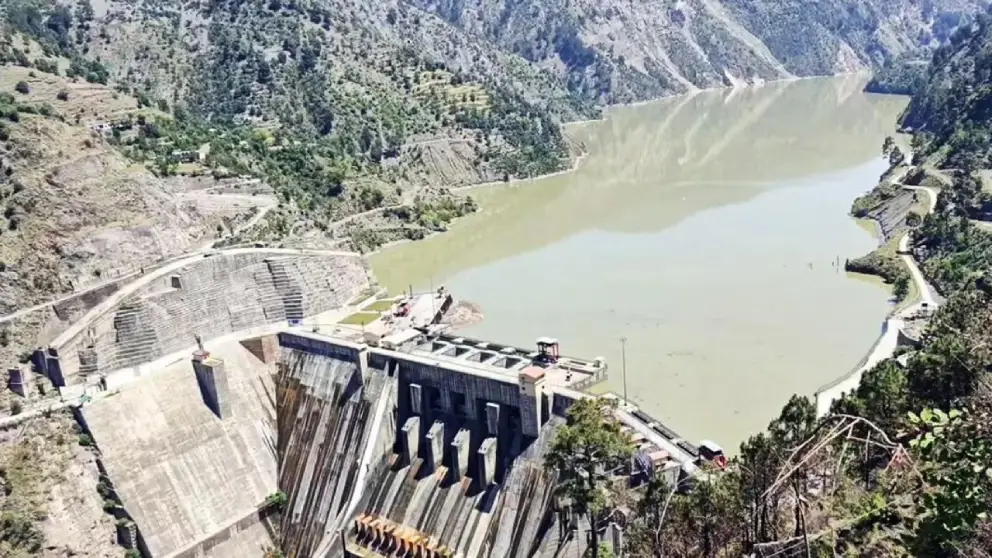
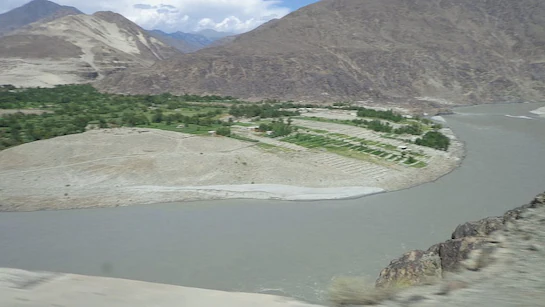
The shock in Islamabad was immediate and profound. Why? Because Pakistan's very survival is tied to the Indus river system. It is the country's economic and agricultural lifeline, and without it, the nation faces a catastrophic crisis.
Consider these simple facts:
- Farming Depends on It: Around 80 to 90 percent of Pakistan's agriculture is completely dependent on the waters of the Indus and its tributaries. No water means no food.
- Low Water Storage: Pakistan has very limited capacity to store water. It has enough for only about 30 days of river flow. There's almost no backup plan.
- Dams are in Trouble: The country's major dams, like Tarbela and Mangla, are already facing issues and are near what experts call "dead storage levels."
This dependency is Pakistan's greatest vulnerability—its Achilles' heel. By freezing the treaty, India targeted this exact weakness, creating not just a political problem but an existential threat.
There’s more to life than simply increasing its speed.
By Udaipur Freelancer
A Flurry of Diplomatic Action
Pakistan's reaction was fast and furious. The government launched a full-scale diplomatic campaign to get the world’s attention. It was a clear sign of just how deeply this move had shaken them.
In just nine months, the country went into overdrive:
- They held eight high-level foreign visits and eight major international conferences.
- They launched more than ten legal actions and held seven major domestic political rallies.
- Pakistani diplomats rushed to the United Nations and other world capitals, writing urgent letters and warning of a "humanitarian catastrophe."
- They framed the issue with slogans like "Weaponizing Water," trying to paint India as the aggressor.
This flurry of activity shows the depth of their anxiety. They were trying everything possible to pressure India to reverse its decision, but the core issue remained.
The Game Has Changed Forever
For decades, Pakistan operated under the assumption that no matter how bad relations got, the water would keep flowing. The Indus Waters Treaty was seen as separate from all other disputes.
That assumption is now gone.
India has successfully linked the water issue to its security concerns. This puts Pakistan in an incredibly difficult position. It can no longer ignore the problem of terrorism on its soil while expecting its water supply to be guaranteed.
The freeze on the Indus Waters Treaty is more than just a dispute over a river. It's about accountability. It's a strategic move that has created a problem for Islamabad that it cannot afford to ignore and, as of yet, does not know how to escape. The Indus river continues to flow, but the political landscape around it has been changed forever.
















Recommended for you
Must-See Art Exhibitions Around the World This Year
The Revival of Classical Art in a Digital Age
Breaking Down the Elements of a Masterpiece Painting
The Revival of Classical Art in a Digital Age