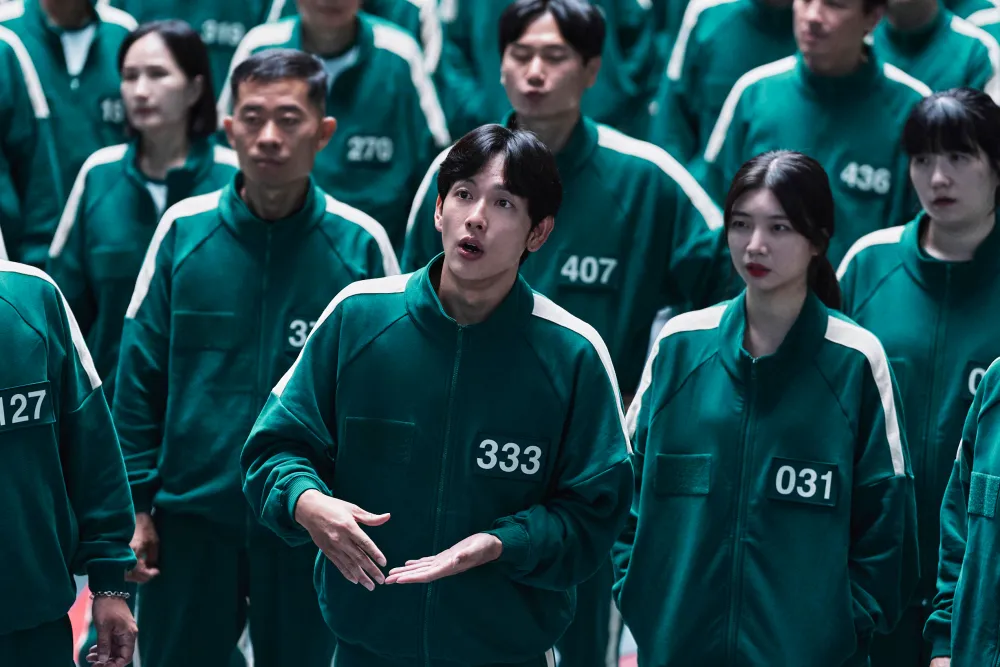
The return of the global phenomenon in Squid Game Season 2 has proven that its initial success was no fluke, but rather a visceral response to a world increasingly defined by systemic inequality and the erosion of the social safety net. While the first season introduced us to the brutal mechanics of the games, the second season delves deeper into the psychological desperation that keeps the wheel turning, reflecting a modern society where the gap between the ultra-wealthy and the working class has become an unbridgeable chasm. By reintroducing Seong Gi-hun not as a desperate debtor but as a man on a mission to dismantle the system from within, the narrative shifts from a story of mere survival to one of systemic resistance. This resonates profoundly with a global audience that feels trapped in real-world games of inflation, housing crises, and precarious employment, making the show’s high-stakes drama feel less like fiction and more like an exaggerated reflection of our daily grind.
One of the most striking ways the new season mirrors contemporary life is through the introduction of the OX voting system, which forces players to decide after every single round whether to continue for the prize or terminate the game. This mechanic serves as a brilliant allegory for the polarization and democratic fragility seen across the globe today. It highlights how collective action is often thwarted by individual greed or the sheer terror of returning to a reality that offers no hope. As viewers watch the players turn on one another, divided by red and blue lights, it is impossible not to see the parallels to the digital echo chambers and political divisions that define our current social landscape. The show captures the tragic irony of the modern condition: even when we have the collective power to stop the cycle of exploitation, our internal divisions and the allure of making it big often keep us pressing the button to continue.
Beyond its heavy social commentary, Squid Game Season 2 captivates global audiences through its mastery of sensory storytelling, blending childhood nostalgia with high-octane horror. The bright, oversized playgrounds and pastel aesthetics create a jarring contrast with the visceral violence, a visual metaphor for how modern capitalism often masks its harshest realities behind friendly interfaces and gamified experiences. This universal visual language transcends borders, allowing a story rooted in Korean social dynamics to feel intensely local to viewers in London, New York, or Mumbai. The games themselves remain simple and intuitive, stripping away complex plot barriers and allowing the audience to focus entirely on the raw human emotions of betrayal, sacrifice, and the haunting question of what one is willing to lose to win it all.
There’s more to life than simply increasing its speed.
By Udaipur Freelancer
Ultimately, the enduring magnetism of the series lies in its refusal to offer easy answers or cheap optimism. It forces the audience to confront the uncomfortable truth that the Front Man and the VIPs are not the only villains. the system itself is the antagonist, and we are all, in some way, complicit participants. By blending prestige television craftsmanship with a scathing indictment of late-stage capitalism, Squid Game Season 2 has cemented its place as more than just a trending show. It has become a cultural touchstone that challenges us to look at our own world and wonder if we are watching a television screen or a window into our future, ensuring its relevance as long as the inequalities it depicts continue to exist in our own reality.
















Recommended for you
Must-See Art Exhibitions Around the World This Year
The Revival of Classical Art in a Digital Age
Breaking Down the Elements of a Masterpiece Painting
The Revival of Classical Art in a Digital Age