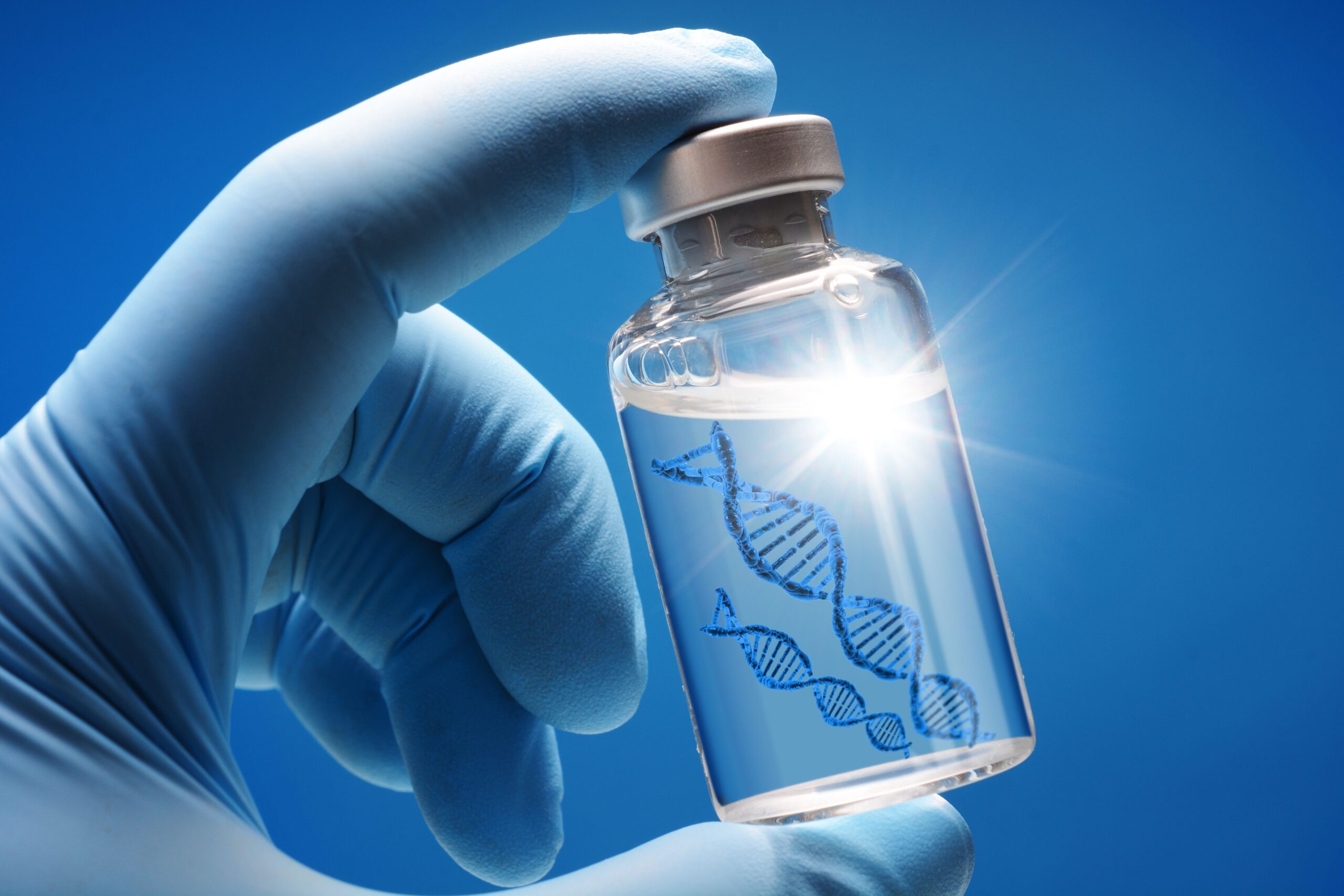
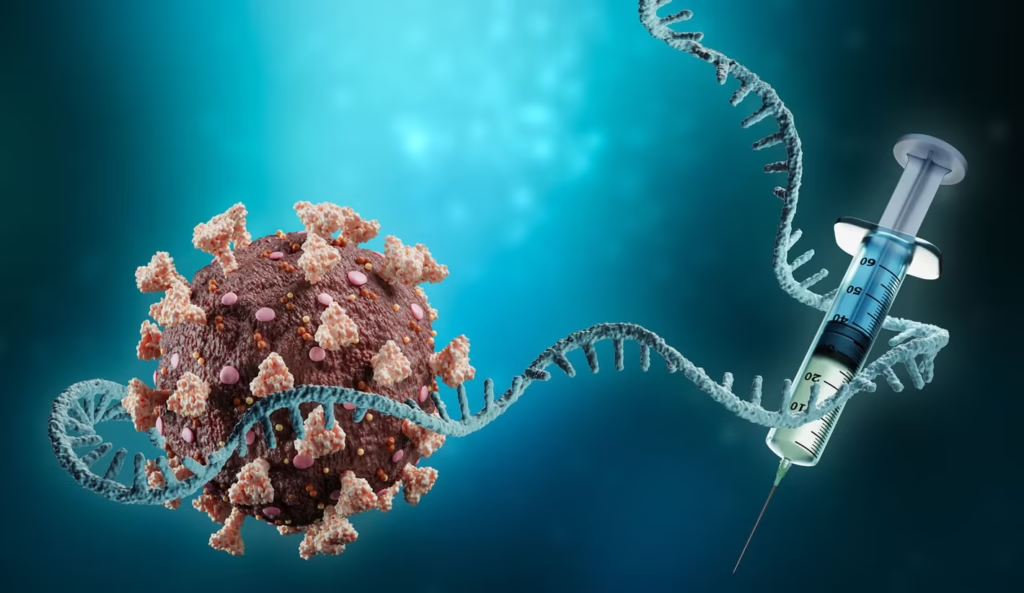
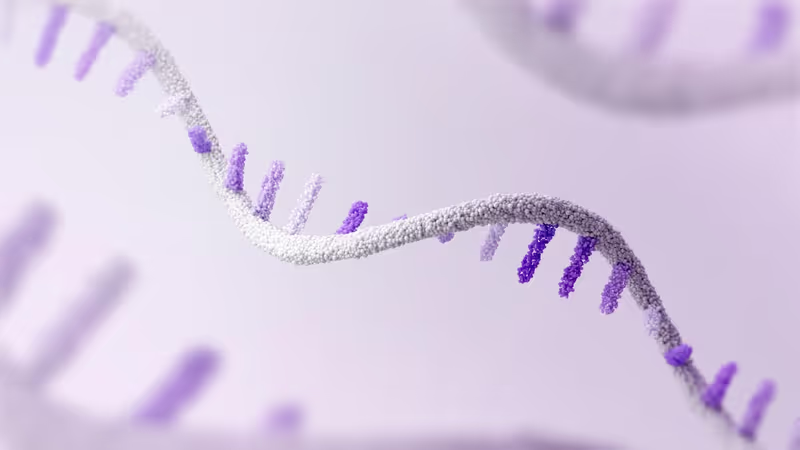
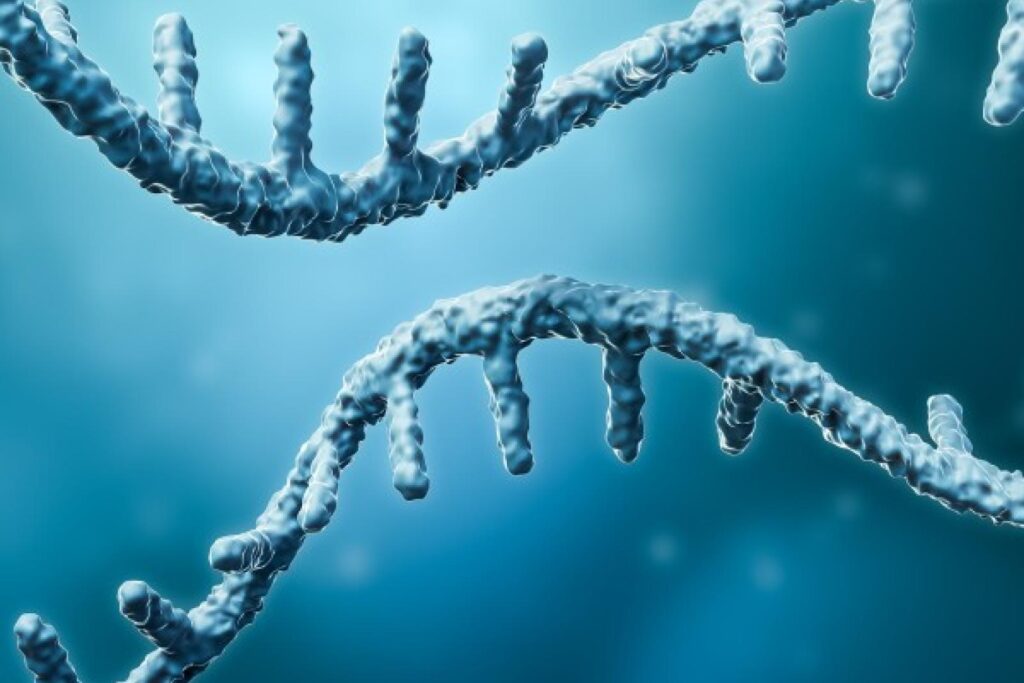
While the world first became acquainted with messenger RNA through the rapid development of life-saving COVID-19 vaccines, the true architectural potential of this technology lies in its ability to transform the landscape of cancer treatment. For decades, the primary weapons against oncology chemotherapy and radiation have functioned as blunt instruments, often damaging healthy tissue while attempting to eradicate the sick. mRNA technology represents a radical departure from this shotgun approach, acting instead as a sophisticated software update for the human immune system. By utilizing synthetic strands of genetic code, scientists can now instruct a patient’s own cells to produce specific proteins that mimic those found on the surface of their unique tumor. This essentially provides the immune system with a most wanted poster, allowing T-cells to identify, track, and destroy malignant cells with surgical precision while leaving healthy ones untouched.
One of the most groundbreaking aspects of mRNA in oncology is the shift toward radical personalization, a concept often referred to as the Holy Grail of cancer care. Because every person's cancer is genetically unique, a one-size-fits-all treatment often yields inconsistent results. With mRNA, doctors can biopsy a patient's tumor, sequence its specific mutations, and custom-engineer a vaccine tailored to that individual’s genetic profile in a matter of weeks. This bespoke approach ensures that the immune response is hyper-targeted to the specific signatures of that patient’s malignancy, effectively turning the body into its own pharmaceutical manufacturing plant. This level of customization was once a theoretical dream, but it is now being realized in clinical trials for melanoma, pancreatic cancer, and non-small cell lung cancer, offering a glimmer of hope for patients who have exhausted traditional therapeutic options.
Beyond the scope of therapeutic vaccines, mRNA is also rewriting the rules of how we deliver potent anti-cancer drugs directly to the source of the disease. Researchers are currently exploring how mRNA can be used to produce monoclonal antibodies or specialized cytokines inside the patient’s body, avoiding the toxic systemic side effects that come with traditional intravenous infusions. Furthermore, the technology’s inherent flexibility allows scientists to update the code of a treatment if a tumor evolves or becomes resistant, much like a software developer patching a bug in an application. This creates a dynamic, responsive form of medicine that can keep pace with the volatile nature of cancer itself.
There’s more to life than simply increasing its speed.
By Udaipur Freelancer
As we stand on the cusp of this medical renaissance, the integration of mRNA into oncology represents more than just a new drug class. it is a fundamental shift in our biological strategy against disease. The infrastructure built during the pandemic has accelerated manufacturing and lowered costs, making these once-prohibitive therapies more accessible for future clinical use. While challenges remain in ensuring long-term delivery and stability within the body, the momentum is undeniable. We are moving away from a world where we treat cancer as a generic diagnosis and toward an era where we treat the patient, utilizing the body’s own incredible intelligence to rewrite the script of survival and turn a once-terminal diagnosis into a manageable, or even curable, condition.















Recommended for you
Must-See Art Exhibitions Around the World This Year
The Revival of Classical Art in a Digital Age
Breaking Down the Elements of a Masterpiece Painting
The Revival of Classical Art in a Digital Age