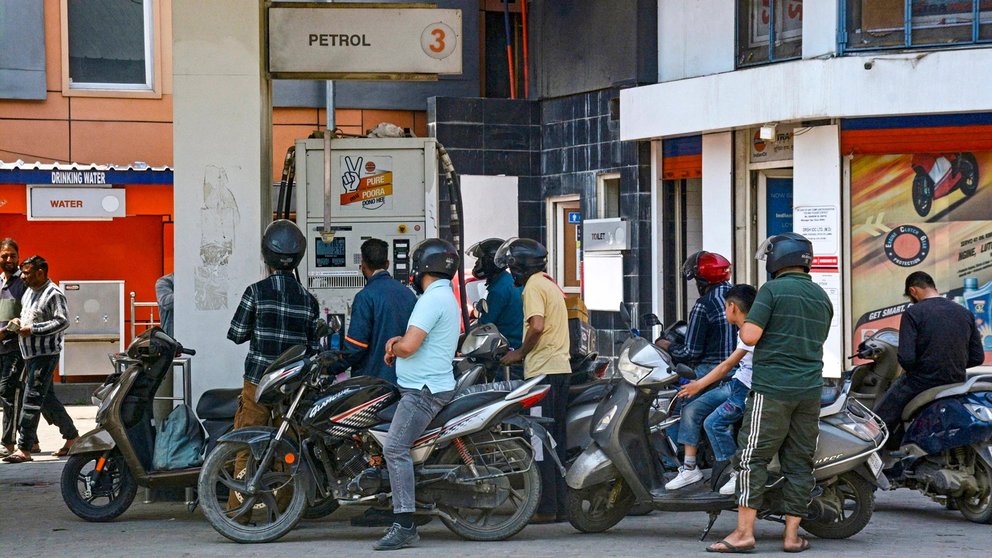
Have you recently heard whispers about petrol and diesel shortages in some parts of India? Perhaps you even saw a fuel pump temporarily out of stock. It's enough to make anyone a bit worried. But before you rush to fill up every container you own, India's largest oil marketing company, Indian Oil Corporation (IOC), has a clear message for you: there's no overall fuel shortage in the country. The issues you might be seeing are 'highly localised and temporary.'
Clearing the Air: No National Crisis
Indian Oil wants to reassure everyone that the nation's fuel supply is robust and stable. While some outlets might have faced temporary dry spells, these are isolated incidents, not a sign of a widespread problem. The three big Public Sector Undertaking (PSU) OMCs – Indian Oil, Bharat Petroleum, and Hindustan Petroleum – are continuously monitoring the situation across the country. They are taking quick steps to handle any 'isolated situations' and ensure fuel reaches where it's needed.
Why the Localised Pressure Points?
So, if there's no overall shortage, why are some pumps running dry? It boils down to a few key factors that are creating unexpected demand surges in specific areas. One major reason is a significant shift in buying patterns. Large bulk fuel consumers – think state transport buses, big trucking companies, or even diesel-powered telecom towers – have traditionally bought fuel at 'bulk prices.' However, these bulk prices are now much higher, reflecting international market rates. This has led many of these large consumers to shift their purchases to regular retail petrol pumps run by PSUs, where prices have been kept lower.
Imagine a bus depot that used to get direct bulk deliveries now sending its fleet to your local petrol pump. This sudden influx of high-volume buyers can quickly drain a station's tanks faster than usual. Adding to this, some private sector fuel retailers have also adjusted their prices upwards, bringing them closer to market rates. This difference in pricing between private pumps and PSU pumps means even more individual customers are choosing the PSU outlets, piling on extra pressure to an already strained local supply chain.
Seasonal Demand and The Rumour Mill
Beyond the pricing dynamics, there’s also a natural seasonal increase in demand. India is currently in its crop harvesting period, especially in many agricultural regions. This leads to a significant surge in diesel consumption for tractors, harvesters, and other farm machinery. When combined with the shift of bulk buyers, these factors can cause a demand growth of 20% to 30% in certain localized areas, as noted by the Petroleum Ministry.
Unfortunately, a single dry pump can quickly lead to widespread rumors of a 'shortage.' This often triggers 'panic buying,' where people rush to fill their tanks and even extra containers, fearing they might not get fuel later. This rush then amplifies the problem, making a temporary local imbalance seem like a much bigger crisis. In an age where information spreads rapidly, sometimes faster than facts, it's crucial to rely on official assurances and avoid contributing to panic. Understanding how information can shape public perception is key to a functioning digital democracy. You can read more about it here: Cockroach Janata Party & Digital Democracy in India.
There’s more to life than simply increasing its speed.
By Udaipur Freelancer
Indian Oil's Commitment and Robust Performance
Despite these localised challenges, Indian Oil highlights its robust operational capacity. The company reported substantial growth in fuel sales from May 1-22, 2026, compared to the same period last year. Petrol sales increased by a remarkable 14%, and diesel sales surged by approximately 18%. These figures clearly show that Indian Oil is not only meeting demand but is successfully handling significantly higher volumes than before. This demonstrates their strong supply chain and logistical capabilities.
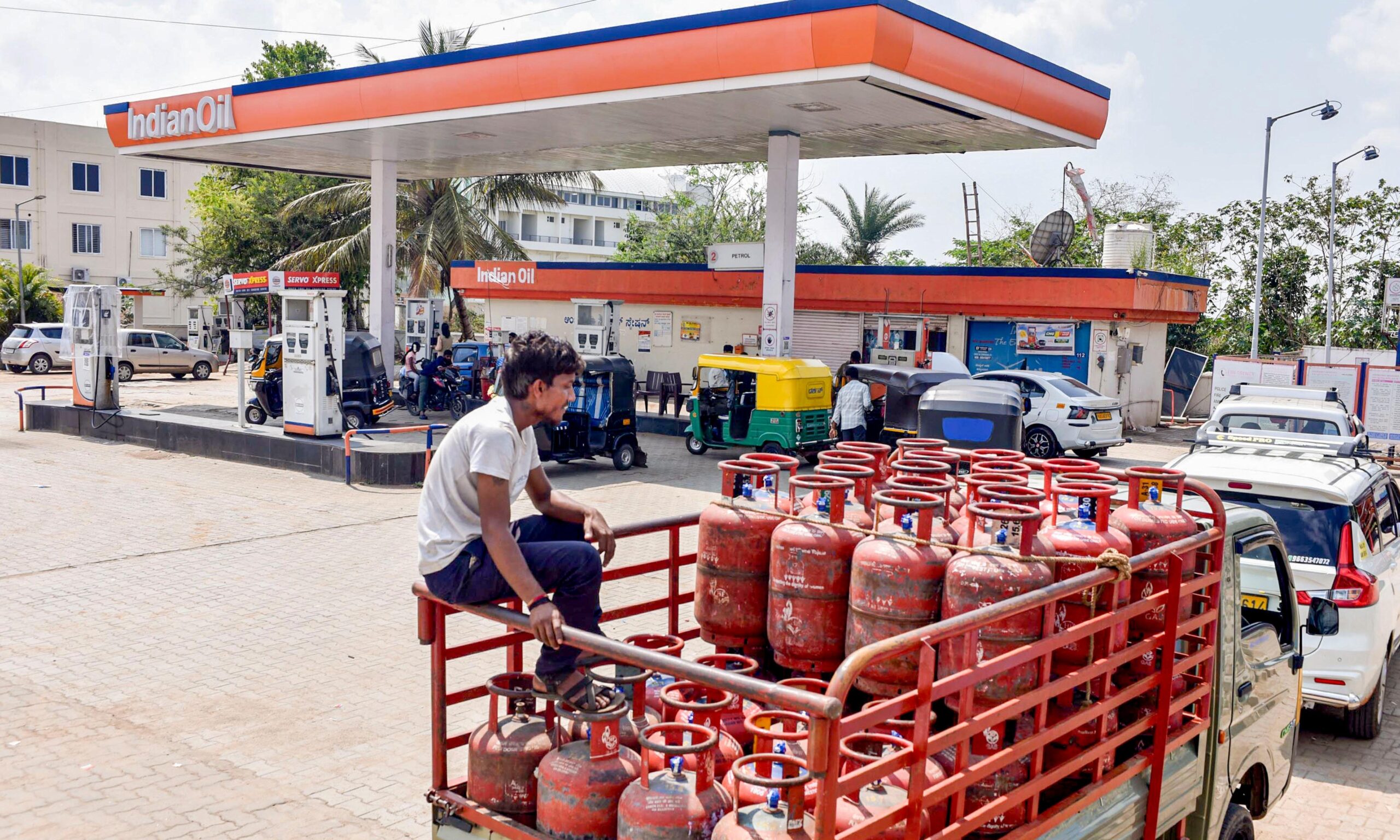
Global oil markets are complex, often influenced by external events and regional stability. It's a good reminder that even stable domestic supplies operate within a wider context. For more on navigating complex global scenarios, you might find this interesting: Diplomacy and Disruption: India's Rights Record. The instances of fuel supply disruption are limited to a very small fraction of Indian Oil's vast network of over 42,000 retail outlets. While production and supply remain stable nationally, the shifting demand patterns create regional imbalances and 'last-mile logistical challenges,' especially in smaller cities and rural areas.
Stay Calm, Stay Informed
So, the next time you hear a rumour about fuel shortages, remember Indian Oil's clear message. There's no national crisis. The issues are temporary, localised, and primarily due to shifting demand patterns rather than a lack of supply. The OMCs are actively working to manage these situations, redistribute stock, and ensure everyone has access to the fuel they need. Avoid panic buying, rely on official information, and rest assured that India’s fuel pumps will keep flowing.
Udaipur Freelancer delivers high-quality web, marketing, and design solutions. We focus on building impactful digital experiences that help your brand succeed in today's market.
















Recommended for you
Must-See Art Exhibitions Around the World This Year
The Revival of Classical Art in a Digital Age
Breaking Down the Elements of a Masterpiece Painting
The Revival of Classical Art in a Digital Age