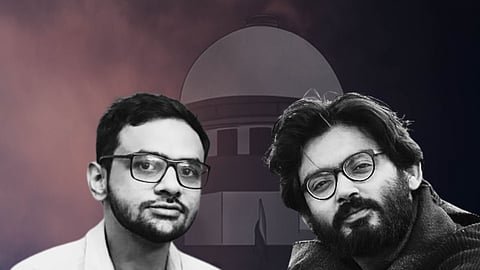
Hello everyone! Today, we're diving deep into a very important update from India's highest court, the Supreme Court. It concerns two individuals, Tasleem Ahmed and Abdul Khalid Saifi, who are currently facing charges related to the unfortunate 2020 Northeast Delhi communal riots. Their bail pleas are being heard, and the recent developments have sparked a lot of discussion.
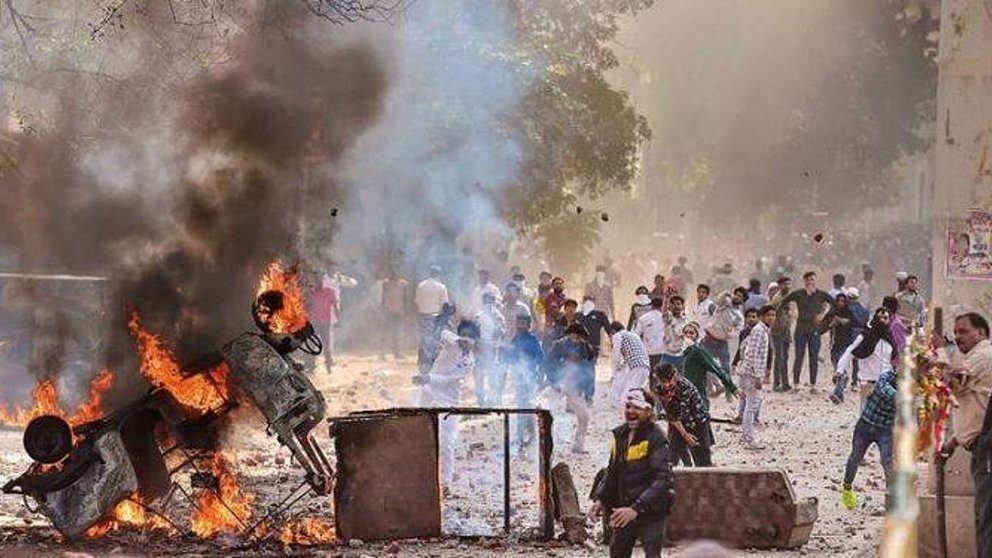
For those unfamiliar, the 2020 Delhi riots were a deeply tragic event, leaving many affected and leading to numerous arrests. Tasleem Ahmed and Abdul Khalid Saifi are among those accused, and like anyone accused of a crime, they have the right to seek bail – a temporary release from jail while their case is still ongoing. The Supreme Court is now considering their requests.
A Hint from the Top Court
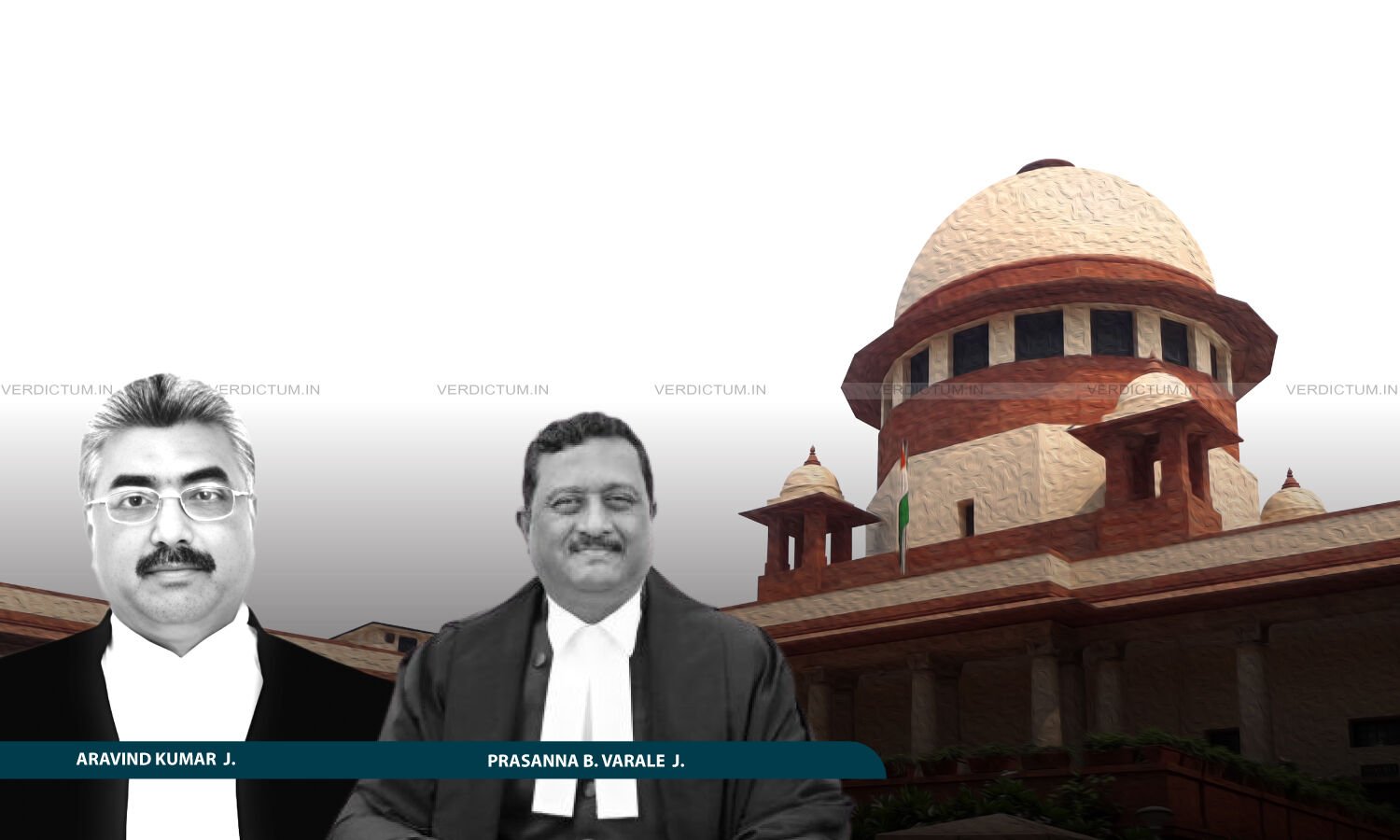
What makes this particular hearing stand out is a significant comment made by the Supreme Court bench itself. Justices Aravind Kumar and P B Varale, who are hearing the case, indicated that they were, and I quote, “Prima facie, we are with you.” In simple terms, 'prima facie' means 'at first glance' or 'on the face of it'. This suggests that based on what they've seen so far, the judges are leaning towards granting bail to Ahmed and Saifi. This is a big deal for the accused and their legal teams, as it offers a ray of hope.
However, despite this initial indication, the court decided to postpone the final decision. The hearing, which was expected to happen today, was adjourned (put off) after a request from the Delhi Police's representative.
Why the Delay? A Look at Legal Precedents
The reason for the adjournment is quite interesting and shows how carefully the justice system works, especially in complex cases. The Additional Solicitor General (ASG) S V Raju, who is representing the Delhi Police, asked for more time. He needed to study a recent judgment delivered by another two-judge Supreme Court bench. This judgment granted bail to Syed Iftikhar Andrabi, a resident of Kashmir, who was booked under the Unlawful Activities (Prevention) Act, or UAPA, in a narco-terror case investigated by the National Investigation Agency (NIA).
Now, why is this UAPA case relevant here? The ASG pointed out that there might be “conflicting views of two other two-judge benches” on similar matters. In simpler terms, sometimes different groups of judges might interpret the law slightly differently in similar situations. When this happens, a lawyer might argue that the matter needs to be heard by a “larger bench.” A larger bench means more judges come together to hear the case, which helps in getting a clear and final understanding of the law, ensuring consistency across all judgments. This process ensures that justice is applied fairly and consistently.
There’s more to life than simply increasing its speed.
By Udaipur Freelancer
Understanding Bail and Its Importance
Bail is a fundamental part of our legal system. It allows an accused person to be released from custody, often by paying a sum of money or with certain conditions, until their trial is over. The idea behind bail is 'innocent until proven guilty.' It aims to balance the rights of the individual with the need for justice and public safety. Denying bail can mean a person spends a long time in jail even before they are found guilty of any crime. The public naturally follows such sensitive cases closely. The way information is shared and discussed, especially online, can heavily influence perceptions. It often brings up broader conversations about media ethics and even stricter controls, like discussions around a social media ban under 16, showing how critical responsible information sharing is.
The legal journey in cases like the Delhi Riots often runs alongside political discourse. We've seen various comments and statements from public figures, sometimes leading to heated debates, much like the discussion around Mallikarjun Kharge's 'Modi terrorist' comment. These political angles, while separate from legal proceedings, often add another layer of complexity to public understanding.
What Happens Next?
The Supreme Court has now deferred the hearing, giving the ASG two more days to make his submissions. This means we'll have to wait a little longer for a final decision on Tasleem Ahmed and Abdul Khalid Saifi's bail pleas. The outcome of this hearing will not only affect these two individuals but could also set an important precedent for other similar cases, especially those involving the UAPA and other serious charges. The court's willingness to consider a larger bench underscores the gravity and legal complexities involved.
It's a reminder that the wheels of justice, while sometimes slow, are meticulous. Every argument, every past judgment, and every legal nuance is weighed carefully to ensure fairness. We will be keeping a close eye on this significant case and will bring you updates as they unfold. Stay tuned!
Udaipur Freelancer delivers high-quality web, marketing, and design solutions. We focus on building impactful digital experiences that help your brand succeed in today's market.














Recommended for you
Must-See Art Exhibitions Around the World This Year
The Revival of Classical Art in a Digital Age
Breaking Down the Elements of a Masterpiece Painting
The Revival of Classical Art in a Digital Age