The world of Middle Eastern diplomacy is buzzing with claims and denials involving Israeli Prime Minister Benjamin Netanyahu and the United Arab Emirates. Did Netanyahu secretly visit the UAE during the recent conflict between Israel, the US, and Iran? Israel says yes, calling it a 'historic breakthrough.' The UAE? They’re saying a firm no. Let's unpack this diplomatic puzzle.
The 'Historic Breakthrough' Claim from Israel
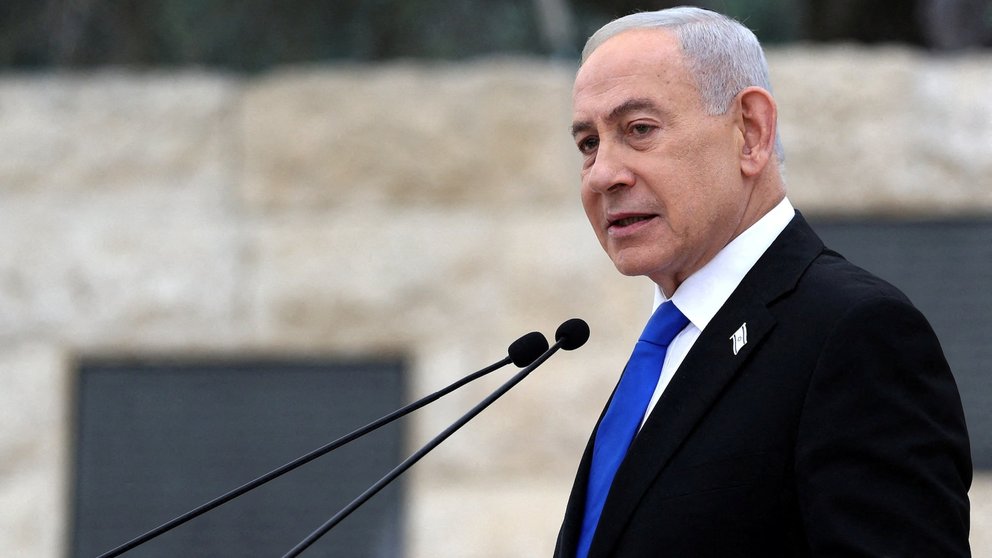
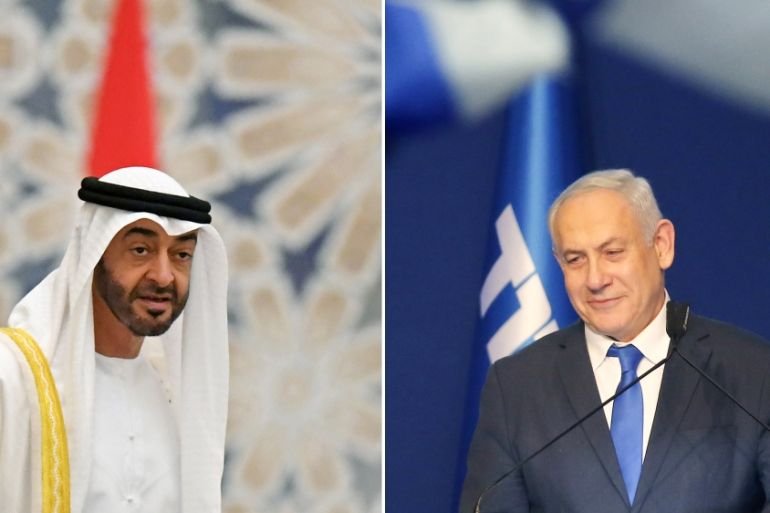
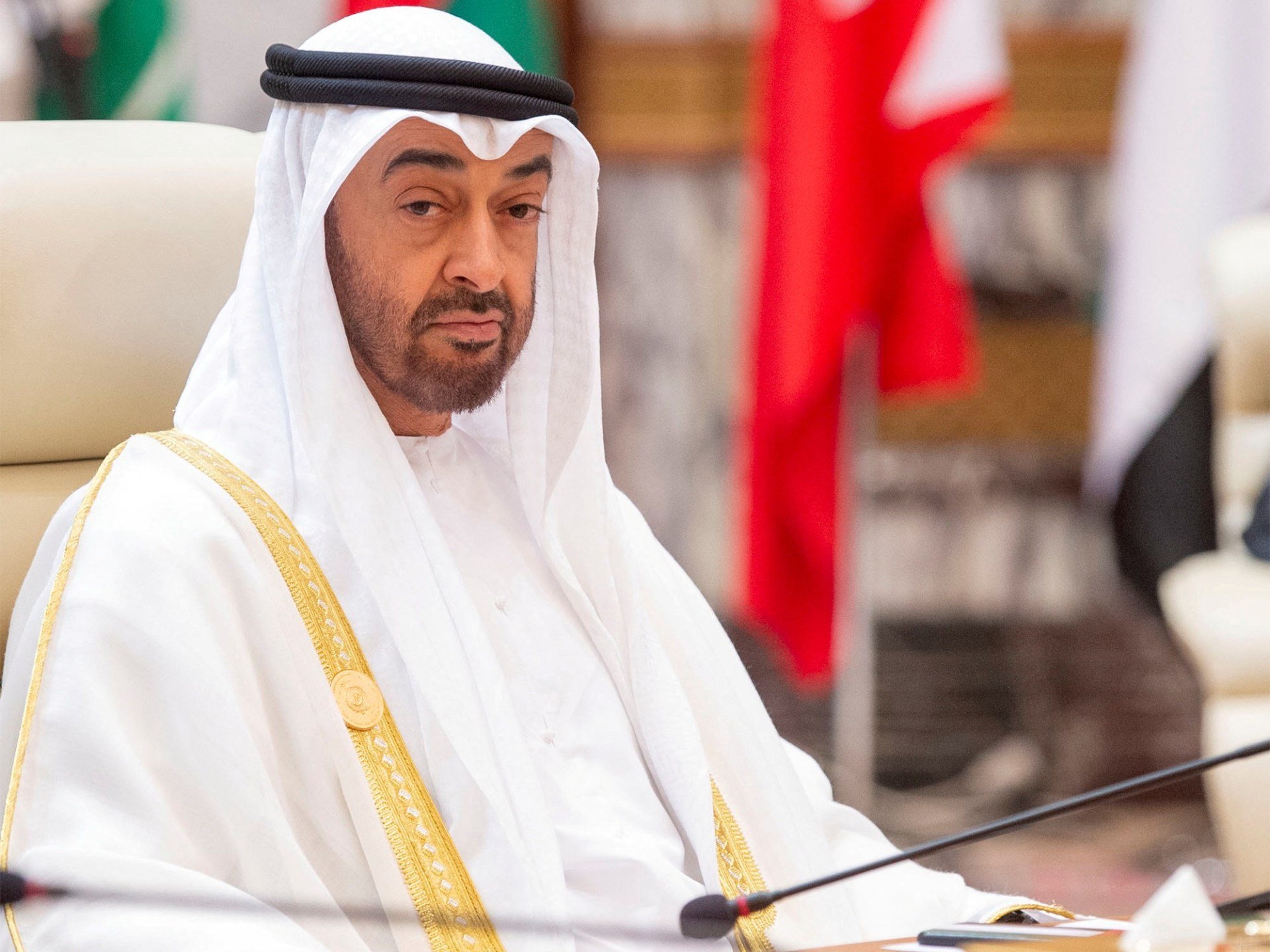
The story began with a surprising announcement from Netanyahu’s office. They stated the Prime Minister had met UAE President Mohammed bin Zayed Al Nahyan during the recent period of conflict with Iran. This meeting, Israel claimed, was a huge step forward, 'further strengthen[ing] relations established under the 2020 Abraham Accords.' The Abraham Accords normalized relations between Israel and several Arab nations, including the UAE. A secret wartime meeting would indeed suggest a deeper, more urgent level of cooperation between the two nations.
Adding weight to this claim, the US Ambassador to Israel, Mike Huckabee, reportedly mentioned that Israel had sent its Iron Dome air defence systems and personnel to the UAE during the conflict with Iran. This detail, if accurate, points to very close coordination. The UAE has faced missile and drone attacks, even after the ceasefire, implying a direct, shared security interest that goes beyond basic diplomatic talks.
UAE's Swift and Strong Denial
However, Abu Dhabi quickly pushed back. The UAE’s state-run WAM news agency swiftly rejected Israel’s claims. Their statement was unequivocal: the country’s ties with Israel are 'public and conducted within the framework of the well-known and officially declared Abraham Accords.' They stressed that their relationship is not based on 'non-transparent or unofficial arrangements.' This was a direct rejection of the 'secret visit' idea.
WAM also specifically denied reports that an Israeli military delegation had been received in the UAE. This directly counters the implication of shared military resources or personnel. Why such a strong denial? The UAE has been working hard to assure international investors that it remains a secure and stable place for business. A perceived secret military alliance during wartime could complicate that image, suggesting a more active role in conflicts than they might want publicly known.
Why the Diplomatic Fog?
This situation raises significant questions. If the visit happened, why was it secret? And if it didn't, why would Israel claim it did? The context is crucial. Iran has long criticized the UAE-Israel normalization deal, repeatedly accusing Israel of running military and intelligence operations from the Emirates. A secret high-level meeting during a conflict with Iran would undoubtedly validate Iran's concerns and provoke a strong reaction.
For the UAE, maintaining a delicate regional balance is key. While public ties with Israel exist, being seen as too overtly aligned, especially in military matters or during a sensitive war, could destabilize their position with other Arab nations and potentially with Iran itself. Any 'non-transparent' arrangements could easily upset this carefully managed balance.
There’s more to life than simply increasing its speed.
By Udaipur Freelancer
Public Ties and Behind-the-Scenes Moves
It's important to recall that since 2020, Israeli leaders have made several public visits to the UAE; diplomatic ties are not a secret. In fact, just last week, WAM reported a public call where Netanyahu condemned Iranian attacks and expressed solidarity with the UAE. This was a rare public acknowledgement of direct communication between the two sides since the Abraham Accords began, proving that official channels are open and visible when appropriate.
So, could the Israeli statement have been a strategic leak, perhaps aimed at signaling a deeper alliance to Iran or other regional players? Or was it a misstep, revealing too much too soon? Leadership interactions are often complex, with public statements serving multiple purposes. Even seemingly straightforward interactions can spark debate, much like the scrutiny over a leader's public appearances or policy choices. For instance, discussions around the Netanyahu-Modi dinner fashion debate highlight how even non-political aspects of leadership can draw significant public attention.
Wider Regional Tensions
This incident doesn't occur in isolation. The broader Persian Gulf region is a hotbed of geopolitical tensions. We also recently saw Iran's Foreign Minister Abbas Araghchi accuse Kuwait of trying to 'sow discord' after some Iranians linked to the Revolutionary Guard were detained near Bubiyan Island. He demanded their release and warned of Iran's right to respond. These kinds of incidents underscore the constant brinkmanship and delicate power plays happening across the region. Against this backdrop, any perceived secret alignment or military cooperation between Israel and the UAE takes on even greater significance.
What's Next for This Diplomatic Dance?
Where does this leave us? We have a clear claim from one side and an equally clear denial from the other. This saga highlights the complex nature of alliances and rivalries in the Middle East. It reminds us that while countries might publicly normalize relations, many sensitive discussions and security arrangements often happen out of the public eye. Transparency, or the lack thereof, can itself be a diplomatic tool.
For the UAE, maintaining its image as a secure and neutral hub for business is paramount. For Israel, signaling strong alliances is often part of its security strategy. The precise truth of what exactly happened, or didn't happen, during that wartime period might remain shrouded in diplomatic mystery. What's clear is that the region continues to be a chessboard of shifting alliances and strategic maneuvers, where even a simple claim can send ripples across the globe. Just as with any major political decision, like when Chief Minister Vijay revoked an astrologer's OSD appointment due to public backlash, transparency and public perception play a crucial role in the effectiveness and acceptance of leadership actions.
Udaipur Freelancer delivers high-quality web, marketing, and design solutions. We focus on building impactful digital experiences that help your brand succeed in today's market.












Recommended for you
Must-See Art Exhibitions Around the World This Year
The Revival of Classical Art in a Digital Age
Breaking Down the Elements of a Masterpiece Painting
The Revival of Classical Art in a Digital Age