May 14th was another busy day in India, packed with news from across the states and even a glimpse into international diplomacy. From new state policies to ongoing legal battles and local political shifts, the country continued its never-ending churn of developments. Today, we're diving into some of the most talked-about headlines, with a special focus on a significant move coming out of West Bengal.
West Bengal Tightens Cattle Slaughter Rules: What You Need to Know
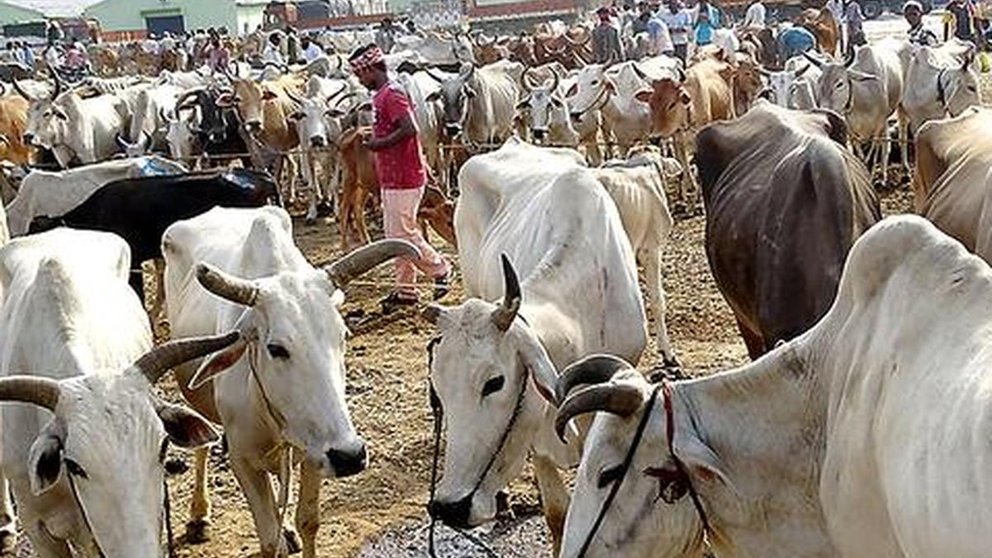
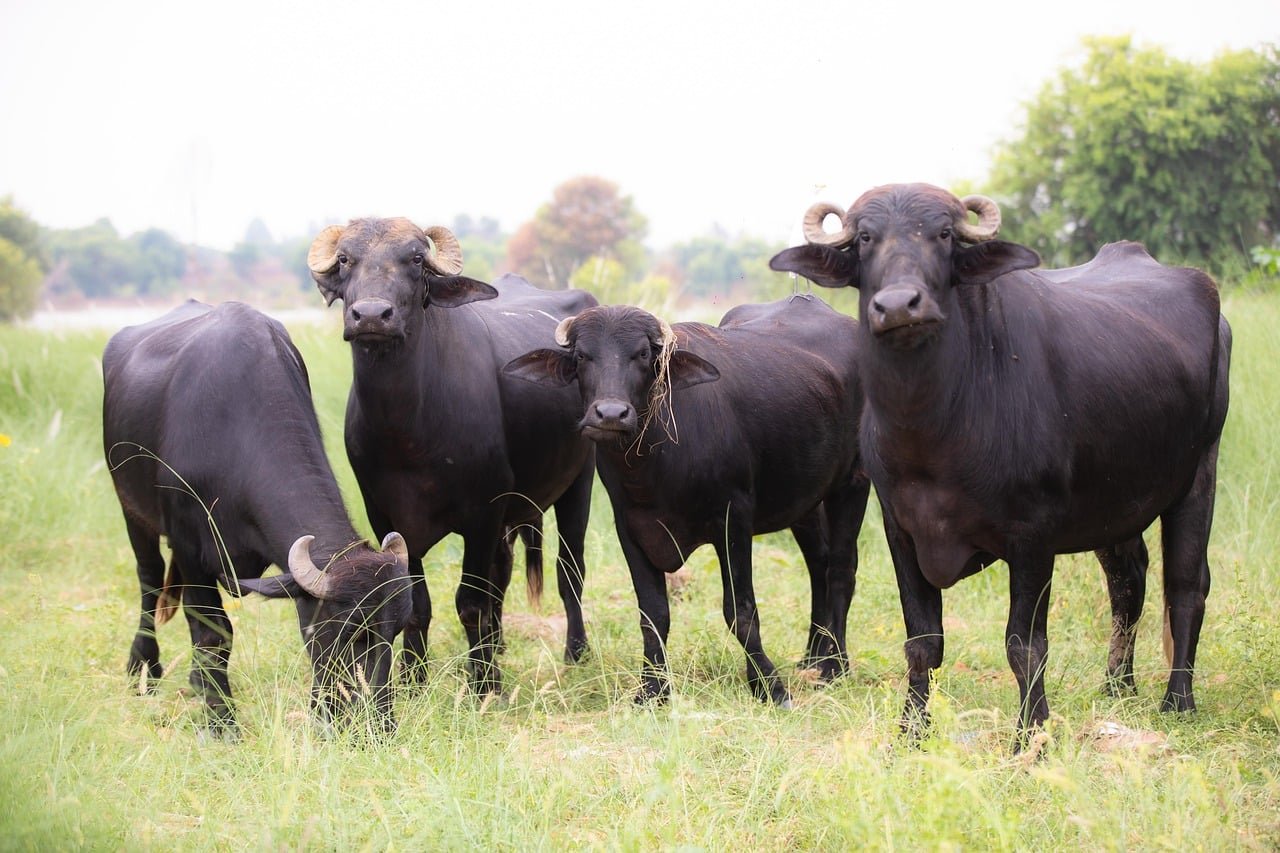
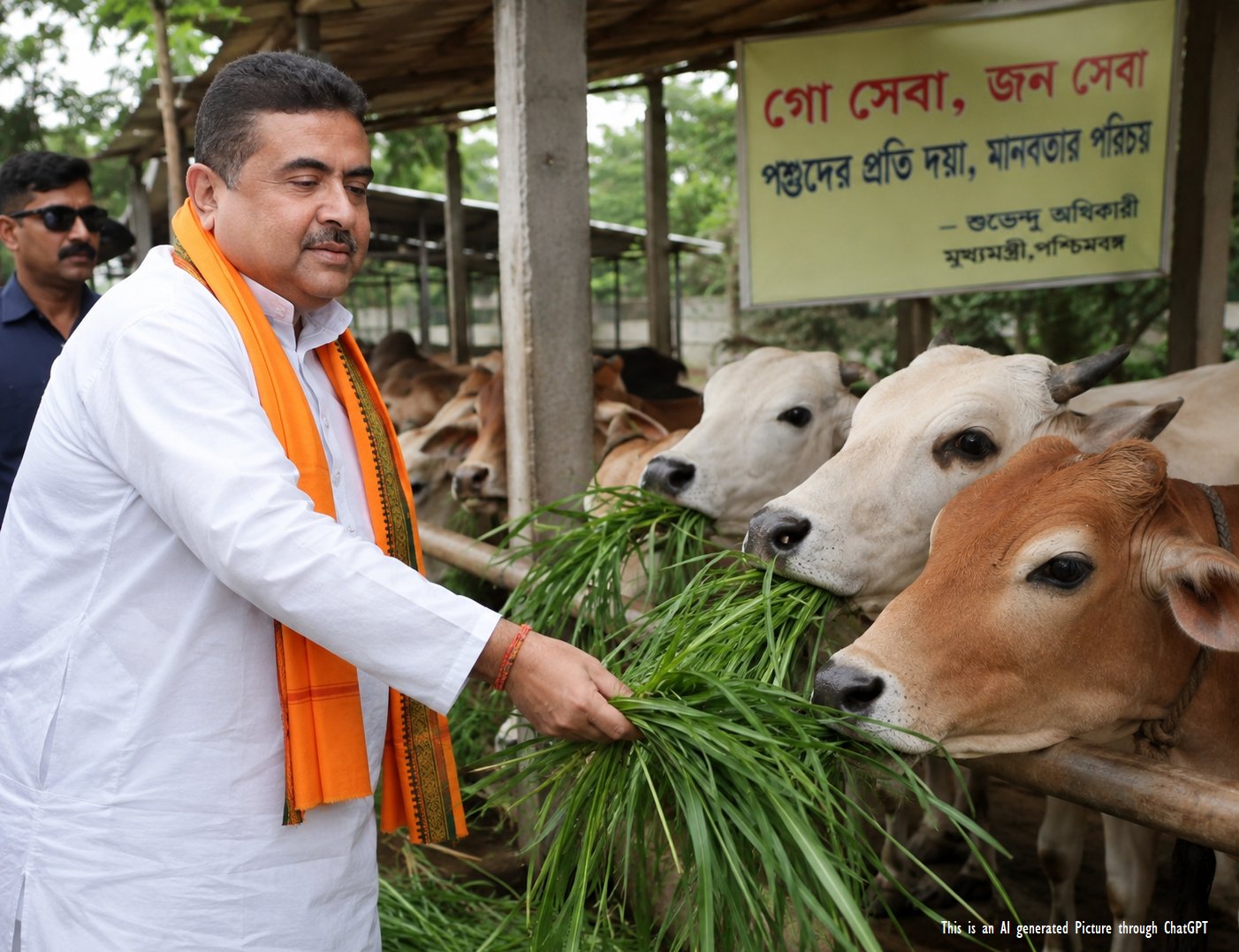
The biggest news making waves from West Bengal is the new state government's decision to ban the public slaughter of cows. But that's not all – they've also made it absolutely necessary to get a 'fit certificate' before any cattle can be slaughtered. This move, coming from the new Bengal government, signals a clear intention to bring more regulation and oversight into the process.
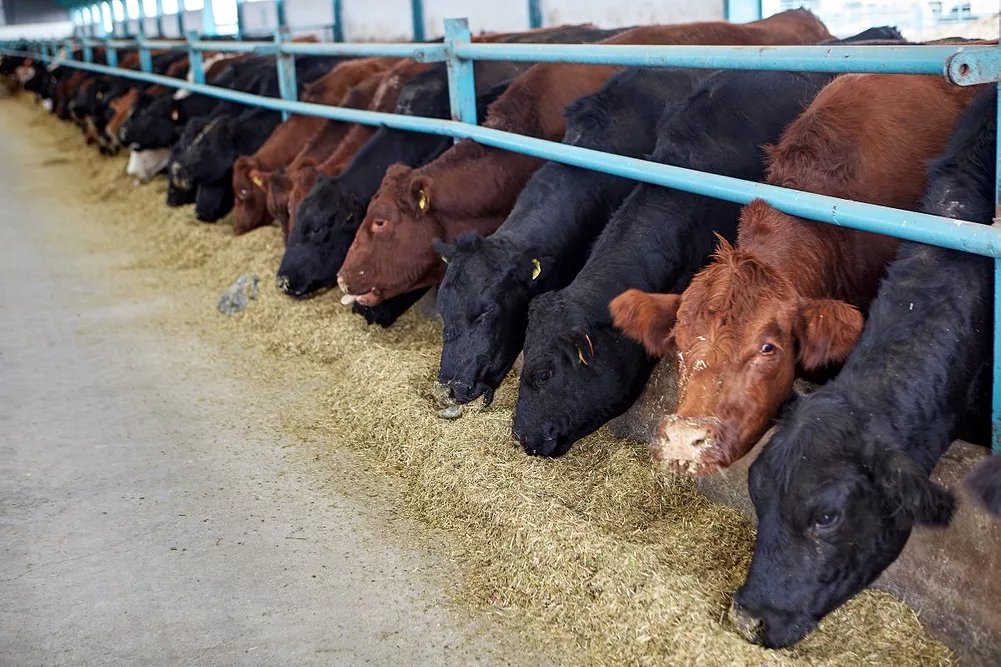
So, what does this mean exactly? The ban on public slaughter is straightforward: you won't see cattle being slaughtered openly in public spaces anymore. This is often driven by concerns over public hygiene, animal welfare, and maintaining law and order. The second part, the 'fit certificate,' is crucial. It means a veterinary doctor will need to check the animal and certify that it's healthy and suitable for slaughter. This is a big step towards ensuring that only healthy animals enter the food chain, which is good for public health.
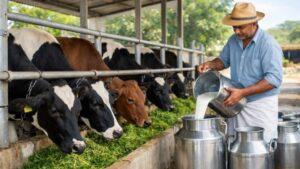
This policy change isn't just about animal welfare; it has wider implications. For farmers and cattle traders, it means new procedures and potentially more paperwork. They will need to ensure their animals are certified, which might add to their costs or change their existing practices. For consumers, it could mean greater assurance about the quality and safety of meat, but potentially also some shifts in availability or pricing depending on how smoothly the new system is adopted.
In India, policies related to cattle are often sensitive and can spark a lot of debate. West Bengal, a state known for its diverse culinary traditions and a significant meat-eating population, introducing such strict norms is particularly noteworthy. It reflects a national trend towards more regulated cattle management, often balancing economic interests with cultural sentiments and public health concerns. This move could reshape parts of the state's agricultural and food sectors.
Beyond Bengal: A Day of Diverse Developments Across India
While West Bengal's cattle policy grabbed headlines, May 14th saw a flurry of other significant events across the country. In a dramatic turn of events, Chief Minister Mamata Banerjee herself appeared at the Calcutta High Court, dressed as a lawyer, to address issues related to post-poll violence. This highlights the intense political and legal climate currently gripping the state.
Moving west to Odisha, a troubling incident of lynching raised serious questions about law and order. The victim’s family alleged that delayed police action played a part in their loved one's death, sparking concerns over the efficiency and speed of emergency response systems. Such events are a stark reminder of the social challenges and the critical role of timely law enforcement.
In Chandigarh, the Punjab and Haryana High Court turned its gaze towards urban development, sharply questioning the city's focus on 'flyover-centric' infrastructure planning. They also looked into allegations of police personnel being misused for private security. This conversation about smart urban growth and accountability in public services is vital for many Indian cities. Speaking of urban development and connectivity, maintaining existing infrastructure is key. For instance, knowing about upcoming changes like the Delhi Airport runway closure in 2026 is essential for future travel planning and managing city logistics.
There’s more to life than simply increasing its speed.
By Udaipur Freelancer
Local politics also had its moment in the spotlight. In Panchkula, the BJP celebrated a significant win in the Municipal Corporation elections, sweeping 17 out of 20 wards and securing the mayoral seat. This outcome reflects the ever-shifting dynamics of local democracy and voter preferences, reminding us that every election, big or small, contributes to the political landscape. The energy around these local polls often mirrors the broader engagement seen in national elections, where we've seen record-breaking voter turnout in recent times.
On a more somber note, Uttar Pradesh mourned the tragic loss of three individuals, allegedly shot dead at random by a former Army personnel who was later killed in a police encounter. This heartbreaking incident underscores the ongoing challenges related to mental health, gun violence, and rapid law enforcement response.
Finally, the fight against corruption in education continued in Maharashtra, where investigators probing the NEET paper leak case arrested Shubham Khairnar. He's accused of running a counseling racket and reportedly selling leaked papers to hopeful students. This ongoing saga highlights the critical need to safeguard the integrity of our examination systems for the future of our youth.
Global Glimpse: Diplomacy on the World Stage
Beyond India's borders, high-level diplomatic talks between Donald Trump and Xi Jinping were in focus ahead of crucial meetings in Beijing. Trump's statement about working through major differences suggests ongoing efforts to manage complex international relationships. While not directly impacting daily life in India, these global conversations certainly shape the broader economic and political environment.
The Fabric of a Nation: What This Day Tells Us
From West Bengal's new cattle slaughter norms to legal battles in Calcutta, urban planning debates in Chandigarh, and the fight against exam leaks in Maharashtra, May 14th offered a complex tapestry of India's challenges and progress. Each news item, though seemingly separate, contributes to the larger story of a nation constantly evolving – grappling with governance, social justice, economic development, and cultural sensitivities.
Staying informed about these diverse developments is key to understanding the pulse of the country. It reminds us that policy changes, legal proceedings, and community incidents all play a role in shaping our collective future. What caught your attention most today? Let us know in the comments!
Share:
Leave a comment
Udaipur Freelancer
Udaipur Freelancer delivers high-quality web, marketing, and design solutions. We focus on building impactful digital experiences that help your brand succeed in today's market.










Recommended for you
Must-See Art Exhibitions Around the World This Year
The Revival of Classical Art in a Digital Age
Breaking Down the Elements of a Masterpiece Painting
The Revival of Classical Art in a Digital Age