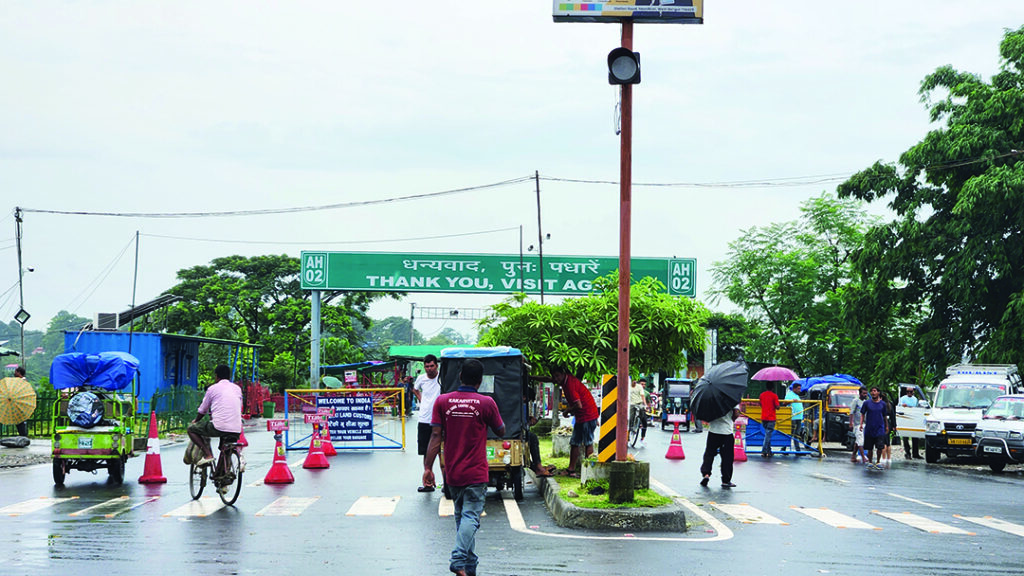
If you have ever lived near or visited the Indo-Nepal border, you already know how unique it is. It is one of the most open international borders in the entire world. For decades, people from both sides have been casually walking across to meet friends, attend weddings, or just do their daily grocery shopping.
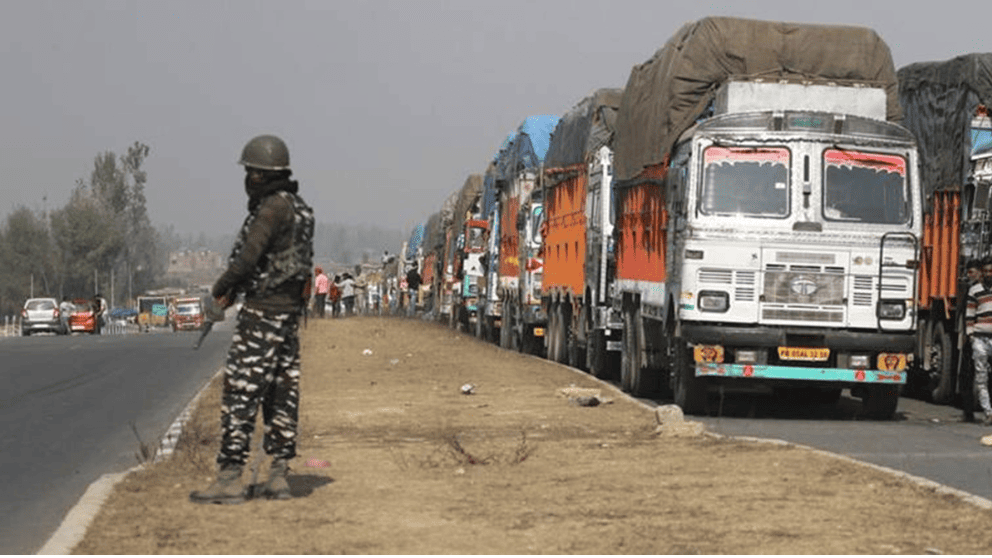
But lately, things have changed completely. The usual friendly and bustling border markets are now looking deserted, and angry protests are breaking out. And believe it or not, things have gotten so strict that even small packets of potato chips are being seized by the police!
Let’s break down exactly what is going on, why the people are so angry, and how this is deeply affecting both Indian business owners and Nepali citizens.
A Sudden Shock for Everyday Shoppers
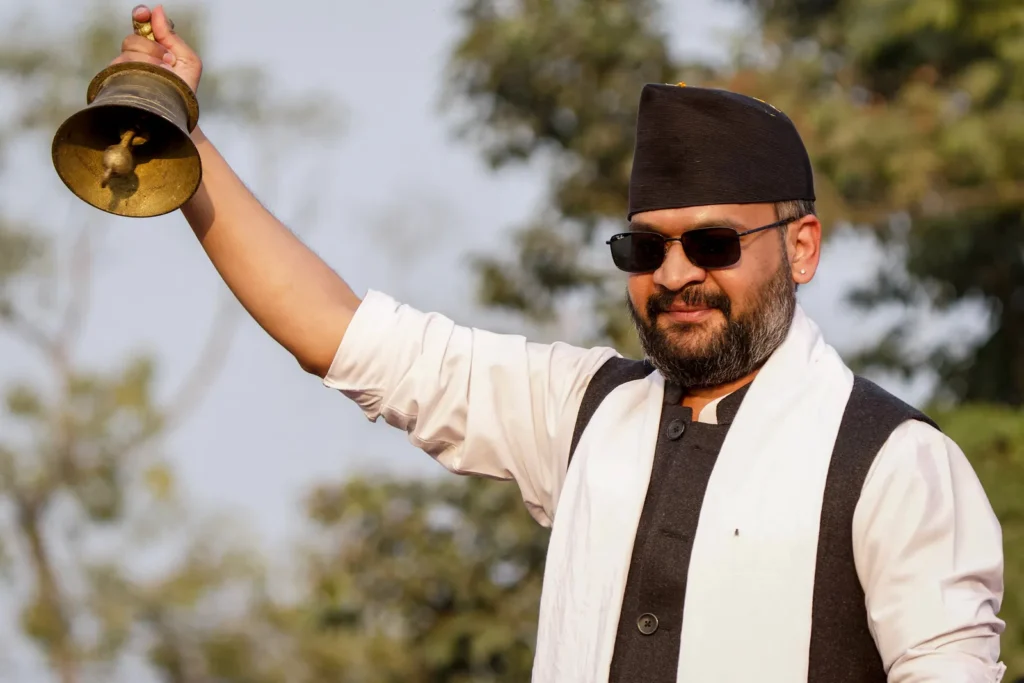
So, here is the main story. Nepal recently got a new Prime Minister, Balendra Shah (popularly known as Balen). Within just a month of him taking charge, his government decided to strictly enforce a rule that is causing massive headaches for the common people.
The rule says that any goods brought from India into Nepal that are worth more than 100 Nepalese Rupees (which is only about 63 Indian Rupees!) will now face a mandatory customs duty. Depending on what you are bringing across the border, this tax can be anywhere from a tiny 5% to a massive 80%.
Can you imagine going to the neighboring market to buy daily essentials, and being asked to pay taxes on items worth just 63 Rupees? It is almost impossible to buy anything useful under that amount today.
The Viral Potato Chip Incident
To understand how strict this rule is on the ground, you have to hear about a video that has been going viral on social media. The incident perfectly matches the title of today's post!
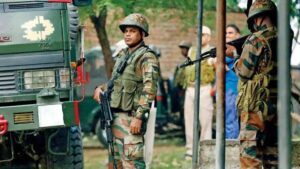
A mother in the border town of Nepalgunj was returning home from the Indian side. What was she carrying? Just four or five packets of potato chips for her children. But the Nepal police stopped her right at the border and told her that her snacks would be seized!
In a video shared by reporter Ganesh Shankar, you can see the woman getting completely furious, and rightly so. She confronted the police officers, shouting, “I have only four-five packets of chips. Give me the money I spent on them, and I'll allow you to seize them!” With real anger in her voice, she pointed out the unfairness of it all, saying that local shops in Nepal are full of Indian products. She challenged the police to stop those big shops first before harassing common mothers like her.
The police officers looked completely helpless. One official simply replied, “We are only following orders given to us.” It’s a sad situation where common folks and junior officers are arguing over kids' snacks.
Why Do Nepali Citizens Shop in India?
You might be wondering, why don't the people of Nepal just buy things in their own country? The simple answer is, Indian goods are much cheaper.
For years, Nepali citizens have depended heavily on Indian border towns. They cross over daily to buy clothes, groceries, medicines, electronics, utensils, and items for weddings and festivals. As one protester explained to the ANI news agency, they rely on India for everything from birth to death rituals. They even buy farming fertilizers from India when the Nepal government fails to provide them on time.
Now, with the new strict taxes, the locals are calling this an unannounced blockade. Reporters on the ground, like Pankaj Das, note that locals feel this move directly hurts their daily lives and adds a massive financial burden to middle-class and poor families. Because of this, massive protests have broken out in border towns like Birgunj, and even in the capital city of Kathmandu.
Indian Border Markets Are Feeling the Heat
This new rule isn’t just hurting the people of Nepal, it is a nightmare for Indian border towns too. The local economy on the Indian side depends heavily on Nepali shoppers.
There’s more to life than simply increasing its speed.
By Udaipur Freelancer
Indian shopkeepers, auto-rickshaw drivers, taxi drivers, and porters used to make a good living from the heavy daily footfall of Nepali customers. But ever since the Balen Shah government started enforcing this strict customs duty complete with loudspeakers making announcements at the border checkpoints the number of shoppers visiting Indian markets has dropped massively. Indian businesses are really feeling the heat of these new rules.
Why Did the Nepal Government Do This?
Let’s look at the other side of the coin. Why would PM Balen Shah’s government enforce such an unpopular rule?
Interestingly, this NPR 100 limit is not a brand-new law. It has been in the rulebooks for a while. However, the government decided to strictly enforce it right after the recent Nepali New Year. According to Punya Bikram Khadka, the Information Officer of the Nepal Department of Customs, the government had been getting complaints from local Nepali shopkeepers. These local businesses were losing money because everyone was crossing the border to shop in India.
The government says this strict checking is their attempt to stop illegal imports, prevent revenue leakage, and save their own local markets.
A Political Storm and Student Protests
As you can expect, this move has caused a massive political earthquake in Nepal. Remember, violent protests recently led to the fall of the previous KP Sharma Oli government, so the country is already in a sensitive state.
Political leaders are strongly criticizing PM Balen Shah. The Nepali Congress party has demanded the immediate withdrawal of the rule, calling it anti-people and insensitive. Binay Yadav, the chairman of Rastriya Ekta Dal, told the media that this step violates the 1950 Peace and Friendship Treaty between India and Nepal. He warned that if the rule isn't rolled back, there will be even bigger protests.
Even members of Balen Shah’s own party, the Rastriya Swatantra Party (RSP), are unhappy. Rajiv Jha from the RSP called the move completely impractical, saying that setting a limit of just NPR 100 in today’s world of high inflation makes no sense at all.
And if border protests weren't enough, PM Balen Shah is fighting another fire. He recently banned all political student and staff unions on university campuses. During a Monday meeting with university vice-chancellors, he ordered them to remove these unions immediately. Because of this, massive student protests have also broken out against him!
What Happens Next?
Right now, PM Balen Shah is facing attacks from all sides students are protesting his campus bans, political rivals are threatening bigger strikes, Indian traders are losing money, and everyday citizens are fighting with police over packets of potato chips.
It remains to be seen if the Nepal government will bend to the pressure and relax the rules, or if they will stand their ground.
What do you guys think about this situation? Is it fair for a government to tax daily essentials to protect local markets, or is the NPR 100 limit just too low and unfair to common people? Drop your thoughts in the comments below, and We’ll catch you in the next post!
Udaipur Freelancer delivers high-quality web, marketing, and design solutions. We focus on building impactful digital experiences that help your brand succeed in today's market.











Recommended for you
Must-See Art Exhibitions Around the World This Year
The Revival of Classical Art in a Digital Age
Breaking Down the Elements of a Masterpiece Painting
The Revival of Classical Art in a Digital Age