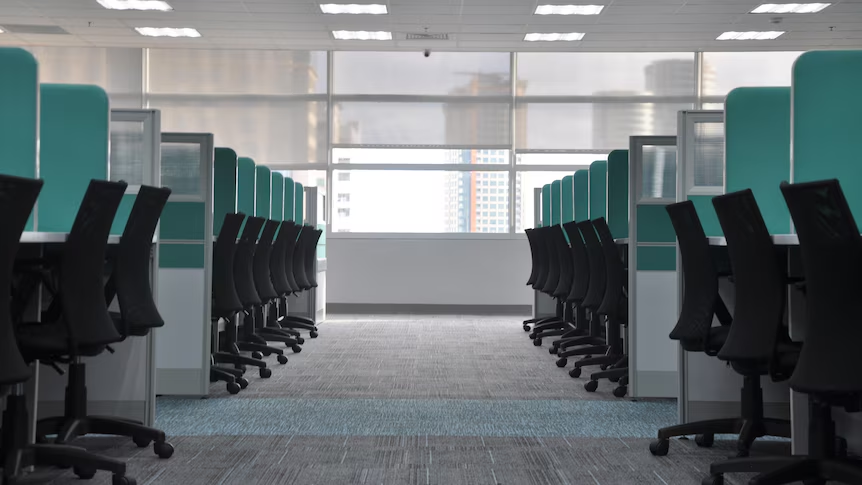
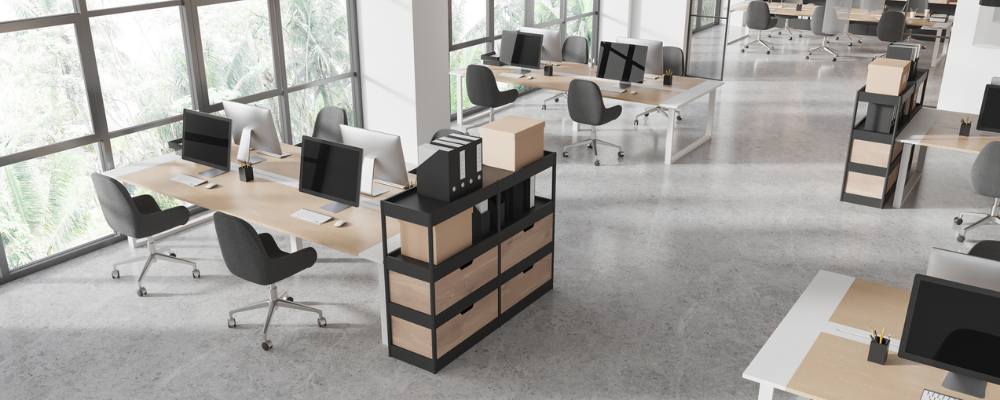
The skyline of the modern city is undergoing a profound metamorphosis as the traditional business district evolves into a vibrant residential landscape. For decades, towering glass structures were synonymous with the nine-to-five grind, but a shift toward remote work and flexible schedules has left millions of square feet of premium real estate sitting silent. This vacancy presents a golden opportunity for developers and urban planners to breathe new life into these structures through adaptive reuse. By transforming empty commercial offices into residential hubs, we are not just filling empty buildings. we are reimagining the very essence of urban living, turning sterile corporate corridors into warm, inviting homes that offer a unique blend of industrial history and modern luxury.
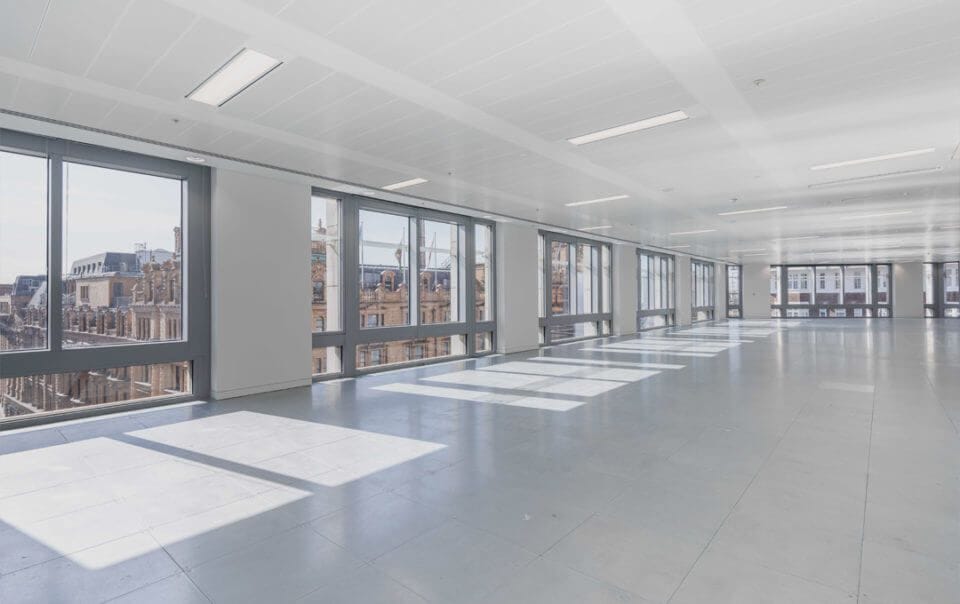
One of the most compelling reasons for this transformation is the inherent architectural character that commercial buildings bring to the residential market. Unlike new-built apartment complexes that can sometimes feel cookie-cutter, converted offices often boast high ceilings, oversized windows, and expansive open floor plans that are highly coveted by modern dwellers. These industrial-chic spaces provide a sense of scale and light that is difficult to replicate in traditional residential zoning. Beyond the aesthetic appeal, this movement is a cornerstone of sustainable development. By repurposing existing shells, we significantly reduce the carbon footprint associated with demolition and new construction, preserving the embodied carbon of the original structure while preventing urban sprawl.
However, the journey from a workspace to a living space is an intricate engineering feat that requires creative problem-solving. One of the primary challenges lies in the deep floor plates of massive office buildings, where the center of the floor is often far from natural light. Successful conversions tackle this by carving out central atriums or light wells that pull sunshine into the heart of the building. Furthermore, the transition necessitates a total overhaul of mechanical systems, as residential units require individualized plumbing, ventilation, and electrical metering that a centralized office floor simply doesn't have. Navigating these technical hurdles is what transforms a simple renovation into a sophisticated piece of urban art, ensuring that these new homes are as functional and comfortable as they are stylish.
There’s more to life than simply increasing its speed.
By Udaipur Freelancer
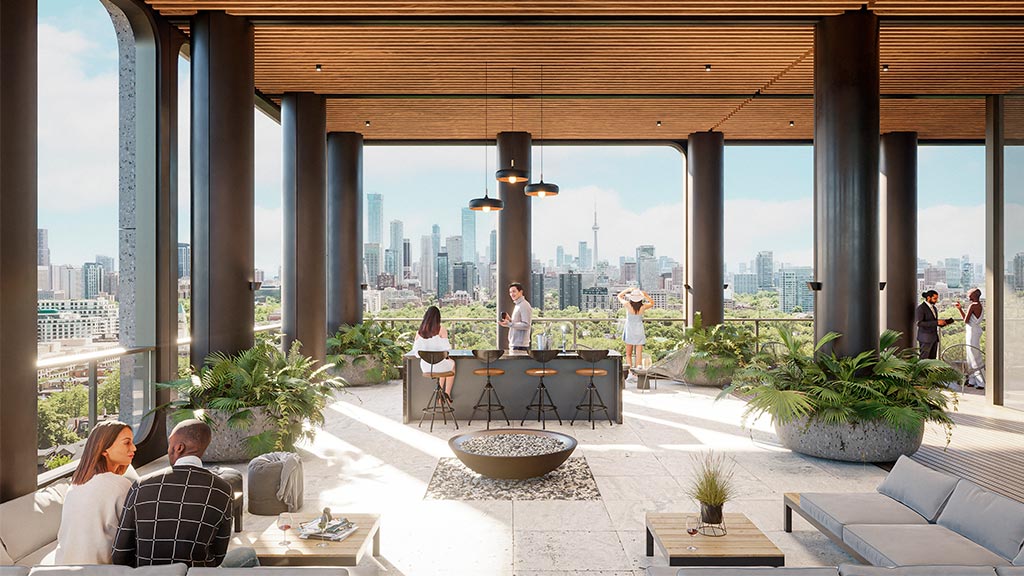
Beyond the individual buildings, the rise of residential hubs in former business districts is sparking a 24-hour economy that benefits the entire community. When people live where they once only worked, the ghost town effect of the weekend disappears, replaced by a constant demand for local cafes, grocery stores, parks, and nightlife. This revitalization creates safer, more energetic neighborhoods where foot traffic supports small businesses and public transit systems thrive. Ultimately, transforming commercial vacancies into residential havens is a visionary solution to the global housing shortage, proving that with a little ingenuity, the relics of the corporate past can become the foundations of a vibrant, lived-in future.














Recommended for you
Must-See Art Exhibitions Around the World This Year
The Revival of Classical Art in a Digital Age
Breaking Down the Elements of a Masterpiece Painting
The Revival of Classical Art in a Digital Age