Things are getting very tense in the Middle East right now. If you have been keeping an eye on the news, you might have noticed that the United States military is making some major moves. The Pentagon is actively preparing for weeks of possible ground operations in Iran. This is a massive turning point in the ongoing conflict, as thousands of US Marines and soldiers have already moved into position in the region.
They are setting up all the necessary groundwork for a military campaign that could escalate very quickly if President Donald Trump decides to give the green light. Let's break down exactly what is happening, what the plans look like, and what it all means in plain English.
Not a Full Invasion, But Fast and Hard Strikes
When you hear 'ground operations,' you might immediately think of a massive, full-scale invasion like we have seen in movies or past historical wars. But officials are making it very clear that this is not what is taking shape right now.
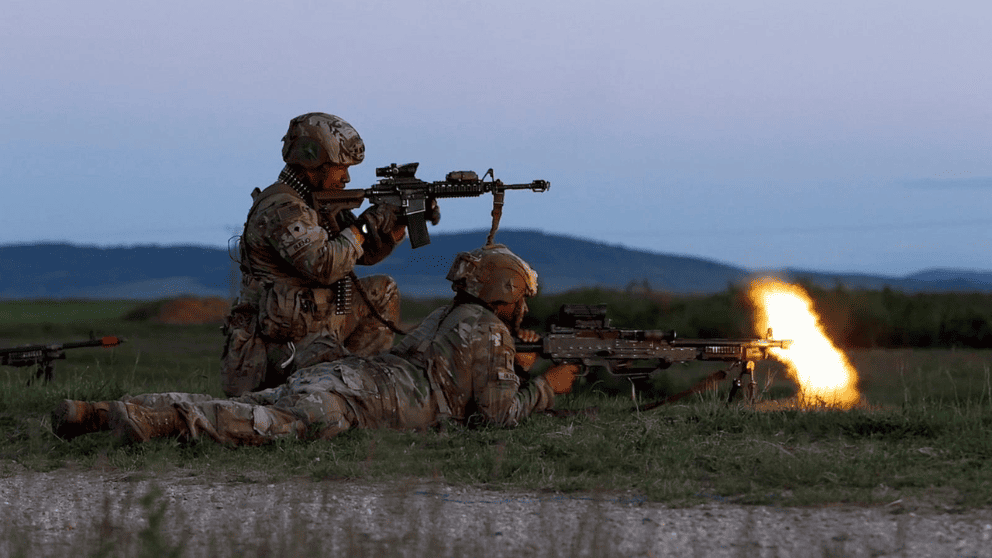
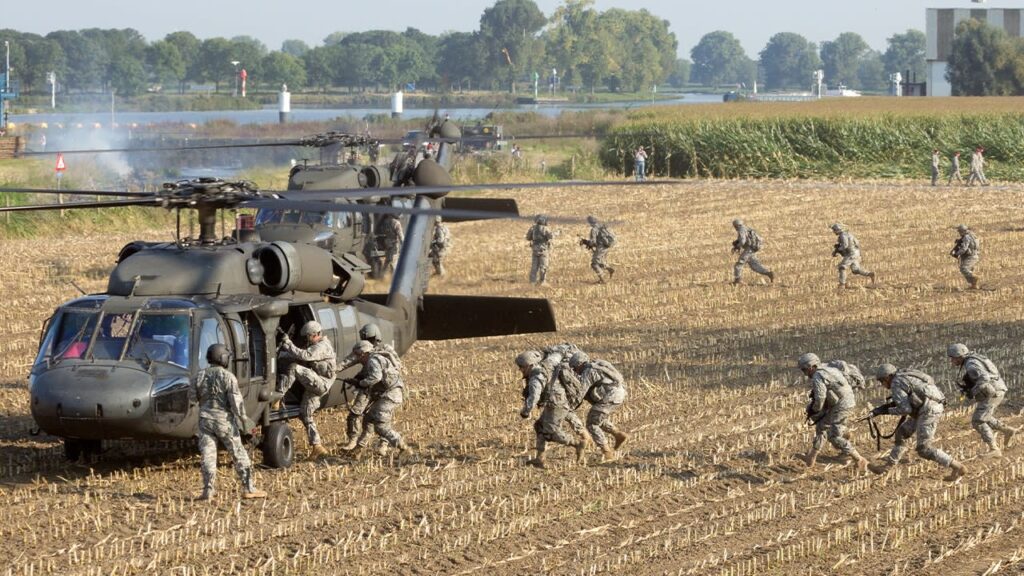
Instead of a massive takeover, the US military is planning a series of calculated, high-impact missions. Think of these as fast-moving raids. They will use Special Operations forces and highly trained regular infantry soldiers. The goal is simple: get in, strike critical targets, and get out fast before Iran has a chance to mount a strong response.
What kind of targets are they looking at? They want to take out the stuff that poses a threat to ships and planes. This means hitting missile launch sites, air defense systems, and coastal military bases. The timeline they are talking about is intense. Planners are looking at an operation that lasts weeks, not months or maybe a couple of months. It is designed to be a short, but very heavy phase of combat.
The Final Blow Scenarios
Beyond just quick hit-and-run raids, the Pentagon is also putting together options for what officials are calling a potential final blow against Iran. This would be a dramatic step up in the conflict, combining ground troops with a massive bombing campaign from the sky.
Right now, military planners are weighing four main scenarios for this massive move:
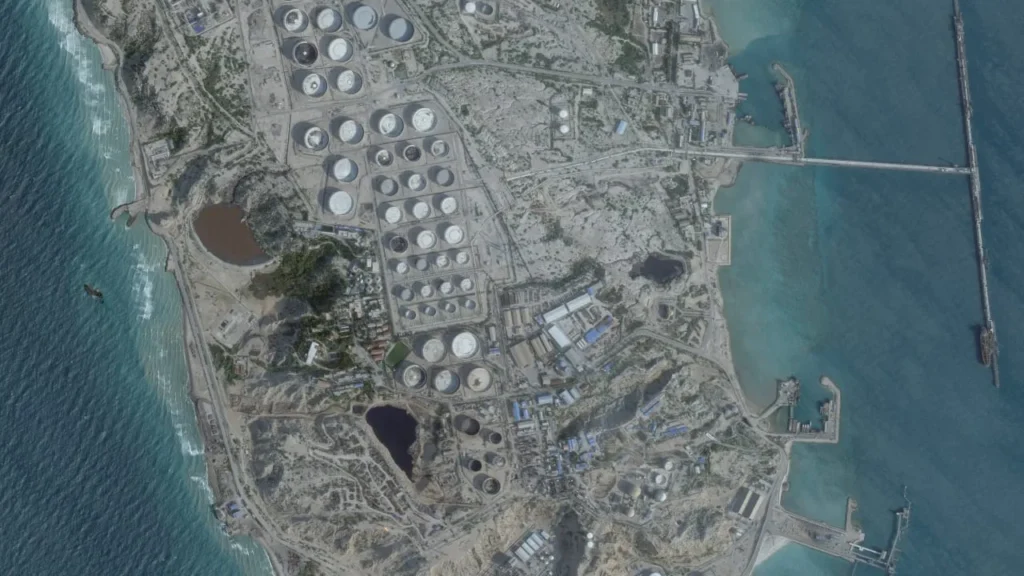
1. Seizing or Blockading Kharg Island: This is a huge deal because Kharg Island is incredibly important to Iran’s oil industry. Controlling or blocking it would squeeze them hard. 2. Targeting Larak Island: This island helps Iran control the Strait of Hormuz, which is one of the most important water routes in the world for shipping. Taking this would keep the sea lanes open. 3. Capturing Abu Musa: The plan involves taking Abu Musa and some nearby islands that are also claimed by the United Arab Emirates. 4. Intercepting Oil Ships: Another major option is using the military to physically stop and intercept ships that are trying to export Iranian oil out of the region.
The Danger of Nuclear Materials
There is another very serious layer to these plans. The military is also exploring more aggressive ideas that involve sending ground troops deep inside Iran. The goal of these deep missions would be to secure highly enriched uranium from Iran's nuclear facilities.
Obviously, sending troops deep into enemy territory is incredibly risky. Because of this high risk, planners say that large-scale airstrikes to destroy these facilities still remain a strong alternative to sending guys in on the ground.
As one former defense official put it, "This is not last-minute planning. It's been war-gamed." They have been practicing and planning for these exact scenarios for a while. The White House is also not holding back with its words. Press Secretary Karoline Leavitt gave a stern warning about what happens if a diplomatic deal isn't reached, stating, "The President doesn't bluff and he is ready to unleash hell."
There’s more to life than simply increasing its speed.
By Udaipur Freelancer
US Forces Are Already in Place
The US is not just talking, they are moving troops. Deployments to the Middle East have sped up a lot recently. Marine expeditionary units and thousands of troops are either already there or on their way.
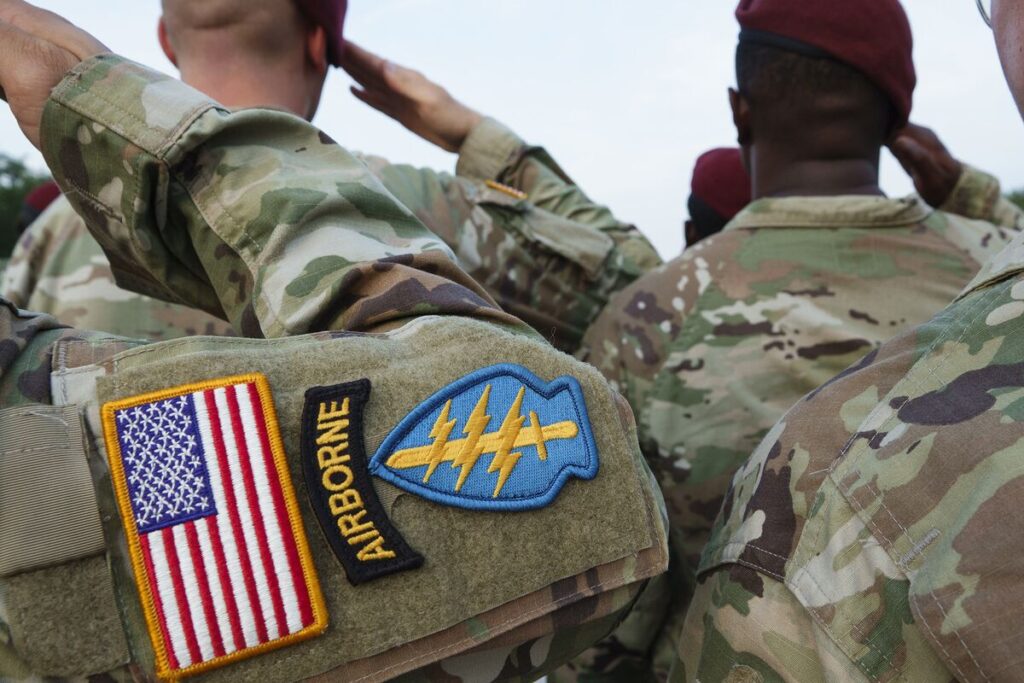
The US Central Command recently shared that sailors and Marines aboard the USS Tripoli (a massive America-class ship that carries Marines and aircraft) have arrived in the area. Alongside the Marines, the command element of the famous 82nd Airborne Division is also being sent over.
Why send all these specific groups? It is all about giving the President options. These reinforcements give Washington the flexibility to scale the operations up or scale them down depending on how the conflict plays out. They are rapid deployment forces, meaning they are ready to jump into action at a moment's notice.
The High Risks on the Ground
Nobody is pretending this will be easy. Any ground mission, even a short raid, comes with massive risks. US forces would be exposed to deadly drones, heavy missiles, and very dug-in resistance from Iran's Islamic Revolutionary Guard Corps (IRGC).
Places like Kharg Island would become highly contested battle zones. As one former official explained, taking an island might not be the hardest part, but holding it is. "You've got to provide cover. Seizing it is not difficult. Protecting your guys once they are there is."
Because the danger is so high, military experts say that staying mobile will be the key to survival. By keeping the raids short and precise, the troops reduce their exposure to sustained, heavy fire from Iranian forces.
Mixed Messages and What Comes Next
Even as the military plans get more detailed, there is still a lot of uncertainty in the air. For example, President Trump said just recently on March 22, "I'm not putting troops anywhere." However, at the exact same time, officials behind the scenes indicate he is fully ready to escalate things if peace talks fail.
Meanwhile, Iran is not staying quiet. They have warned that they will retaliate without any limits if their territory is targeted. This fuels a lot of fear around the world that any ground operation, no matter how small it is meant to be, could widen the war across the whole region rather than end it.
For right now, the Pentagon's plans remain exactly that just plans. But with thousands of heavily armed forces in place and options on the table ranging from quick raids to a sweeping final blow, the path ahead could completely reshape the course of this war in a matter of weeks. The whole world is watching and waiting to see what happens next.
Udaipur Freelancer delivers high-quality web, marketing, and design solutions. We focus on building impactful digital experiences that help your brand succeed in today's market.














Recommended for you
Must-See Art Exhibitions Around the World This Year
The Revival of Classical Art in a Digital Age
Breaking Down the Elements of a Masterpiece Painting
The Revival of Classical Art in a Digital Age