Imagine a country plunged into darkness, its people banging pots in frustration, shouting for electricity. Now, imagine the head of the CIA landing in that very same capital. Sounds like a scene from a spy thriller, right? But this isn’t fiction. It’s exactly what happened recently in Havana, Cuba, as CIA director John Ratcliffe met with Cuban officials.
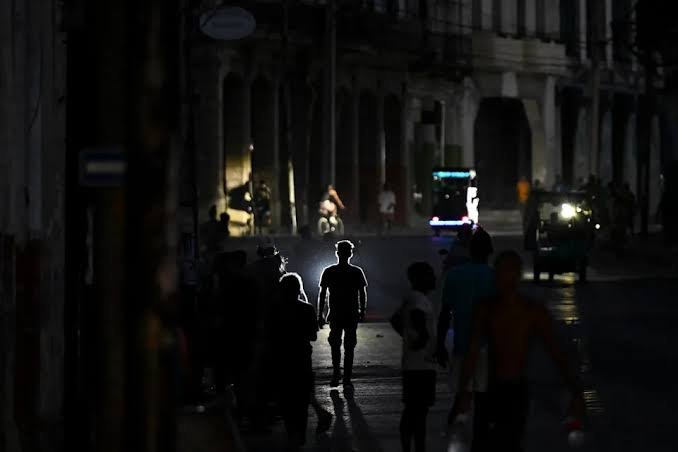
This high-stakes meeting wasn't a casual chat. It was an urgent attempt to 'restore ties' between the United States and the island nation, as the Cuban government put it. But these talks took place against a truly dramatic backdrop: widespread protests across Cuba, all thanks to crippling power outages. These aren't just minor inconveniences; we're talking about homes, businesses, and lives thrown into disarray. Imagine going about your daily life without power for most of the day – no refrigeration, no air conditioning in a tropical climate, no lights for studying or working, no way to charge your phone to connect with loved ones. This is the harsh reality facing millions of Cubans right now.
The Island Plunged into Darkness
The situation on the ground in Cuba is dire. Just a day before Ratcliffe's visit, the country’s Energy Minister, Vicente de la O Levy, made a shocking announcement on state media. He declared that Cuba had completely run out of diesel and fuel oil. Think about that for a moment: 'absolutely no fuel and absolutely no diesel.' He added that the national power grid was in a 'critical' state, with 'no reserves' left. Fuel oil, a key product from crude oil, is essential for generating power.
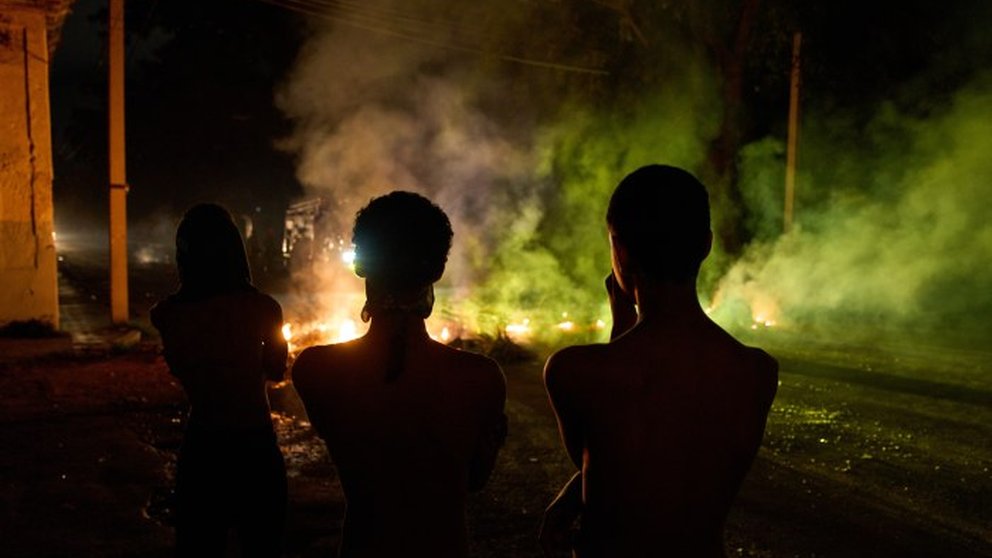
The news hit Cubans hard. Immediately, protests erupted in Havana. People poured onto the streets, chanting 'turn on the lights.' They banged pots and pans, a traditional sign of dissent, and even set fire to piles of rubbish to make their anger clear. These aren't just political statements; they're desperate cries from people struggling with basic necessities. Blackouts have been lasting as long as 22 hours or more, making daily life unbearable. The images of these protests are powerful, showing a population at its breaking point, daring to voice their frustrations publicly in a way not often seen.
The US Blockade: A Key Factor
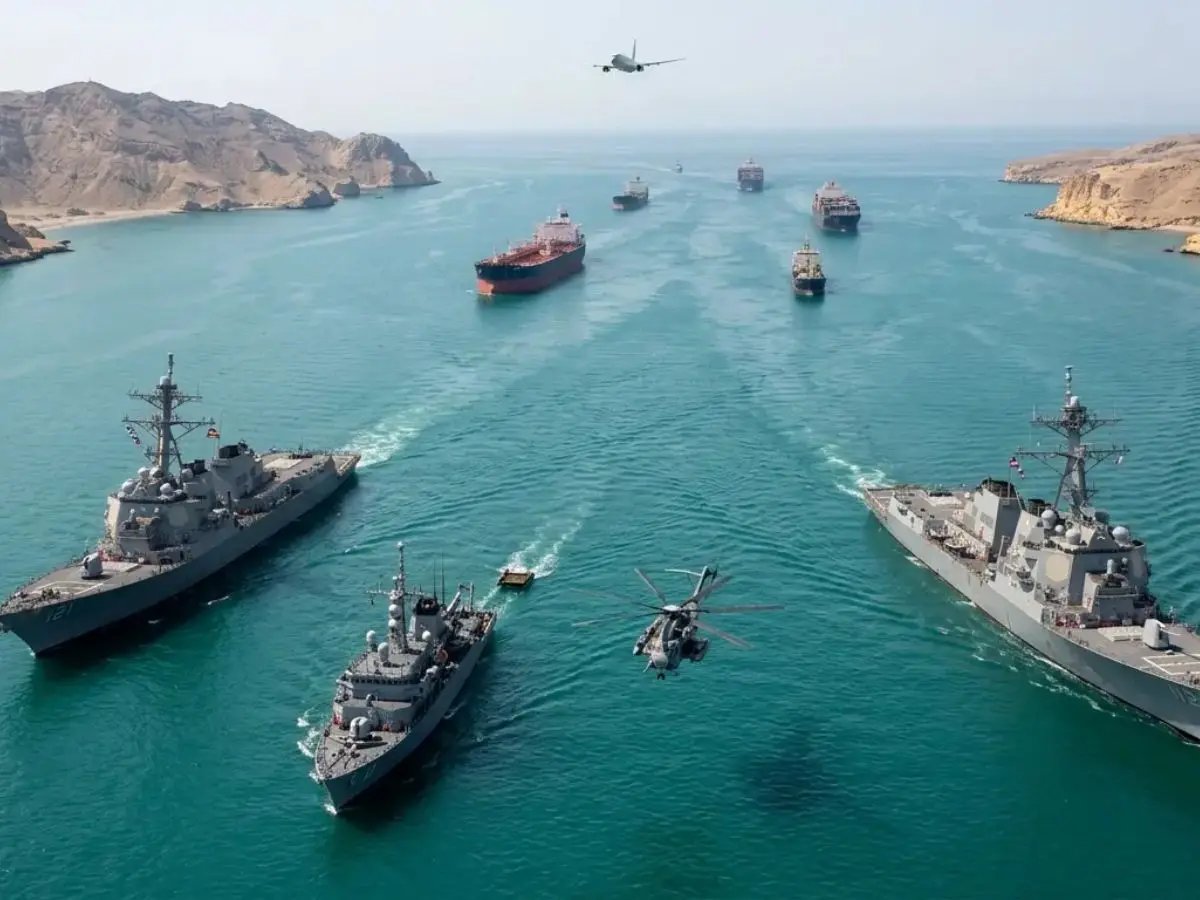
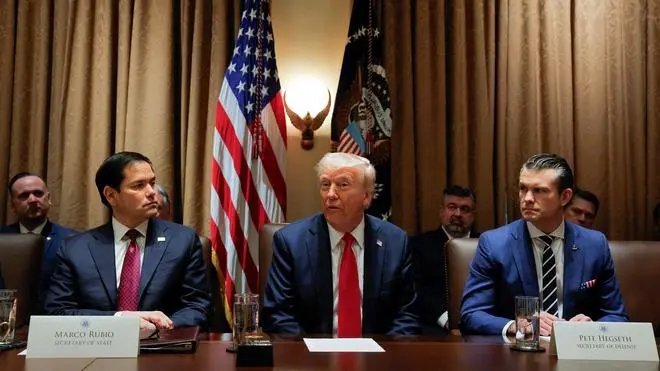
So, what led to this critical fuel shortage? A major cause points directly to US policy. In January, former US President Donald Trump imposed what was effectively a fuel blockade on Cuba. This wasn't a military action, but an executive order that threatened countries supplying fuel to the island with heavy tariffs. This move choked off Cuba’s ability to get essential energy supplies, directly leading to the blackouts. Trump’s approach to foreign policy was often characterized by aggressive tactics and unilateral decisions, and during his presidency, he even engaged in musings about escalating conflicts in different regions, showcasing a readiness to use economic pressure as a primary tool.
The history between the US and Cuba is, of course, long and complicated, marked by revolution, Cold War tensions, and decades of economic sanctions. The latest blockade is just another chapter in this strained relationship, but its impact on everyday Cubans is undeniable and immediate. It highlights how political decisions, however far removed from the daily lives of citizens, can have devastating real-world consequences, from empty fuel tanks to darkened homes and simmering public anger.
Against this backdrop, the Cuban government used the meeting with Ratcliffe to push back against US allegations. They stated 'categorically that Cuba does not constitute a threat to US national security, nor are there any legitimate reasons to include it on the list of countries that allegedly sponsor terrorism.' They also made it clear that Havana 'has never supported any hostile activity against the United States, nor will it permit actions against any other nation to be carried out from Cuba,' directly addressing concerns about a possible Chinese presence on the island.
There’s more to life than simply increasing its speed.
By Udaipur Freelancer
A Glimmer of Hope Amidst the Gloom?
The timing of this meeting is critical. While the current US administration has eased some restrictions compared to Trump's approach, the fuel blockade from January still stands. The meeting was held “in a context marked by the complexity of bilateral relations,” aiming to contribute to “political dialogue.” This suggests a recognition from both sides that despite deep-seated issues, communication is vital, especially when a nation is struggling so severely. For the US, even a brief engagement with a long-standing adversary amidst a humanitarian crisis could be a strategic move to de-escalate tensions and explore alternative solutions beyond punitive measures.
This kind of high-level engagement, even if brief, shows a flicker of possibility. It hints that perhaps both nations, despite their deep ideological differences and historical grievances, recognize the urgent need to address the immediate crisis and prevent a complete breakdown. While direct results from a single meeting might be slow to emerge, the very act of sitting down to talk, especially given the current dire circumstances in Havana, is significant.
It's a delicate dance of diplomacy, reminiscent of the complex web of international relations seen when major global powers make unexpected moves. For Cuba, getting off the US list of state sponsors of terrorism and easing the blockade are top priorities. The impact of being on this list is severe, restricting international financial transactions and further isolating the country. For the US, it's about managing regional stability, asserting its influence, and perhaps preventing further deterioration that could lead to even greater instability in the Caribbean.
The protests in Havana are a stark reminder of the human cost of political stalemates and sanctions. While high-level talks are happening, the immediate reality for many Cubans is one of darkness, hunger, and uncertainty. The meeting between CIA director Ratcliffe and Cuban officials might be a small step towards restoring dialogue, but the path to genuine reconciliation and relief for the Cuban people remains long and fraught with challenges.
Will this unprecedented meeting lead to a breakthrough? Will the lights come back on for good in Havana? Only time will tell, but the world watches as Cuba navigates its darkest hour, hoping for a future where diplomacy outweighs distress.
Udaipur Freelancer delivers high-quality web, marketing, and design solutions. We focus on building impactful digital experiences that help your brand succeed in today's market.












Recommended for you
Must-See Art Exhibitions Around the World This Year
The Revival of Classical Art in a Digital Age
Breaking Down the Elements of a Masterpiece Painting
The Revival of Classical Art in a Digital Age