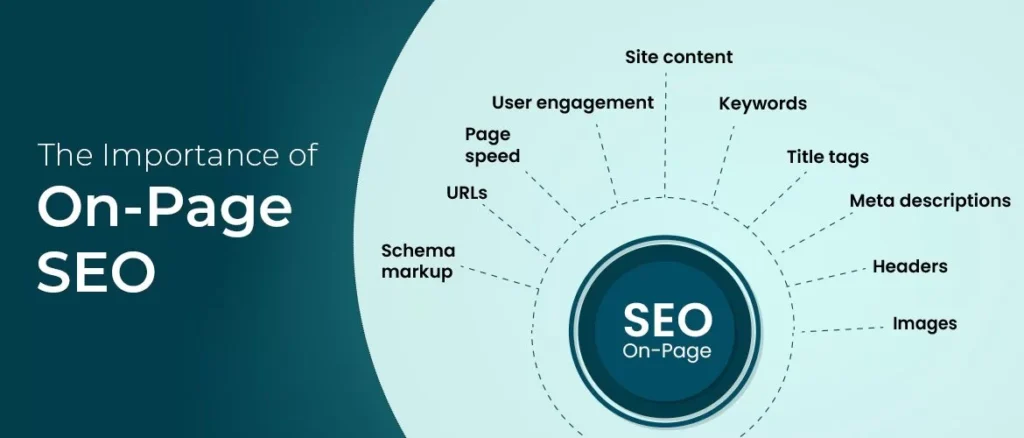
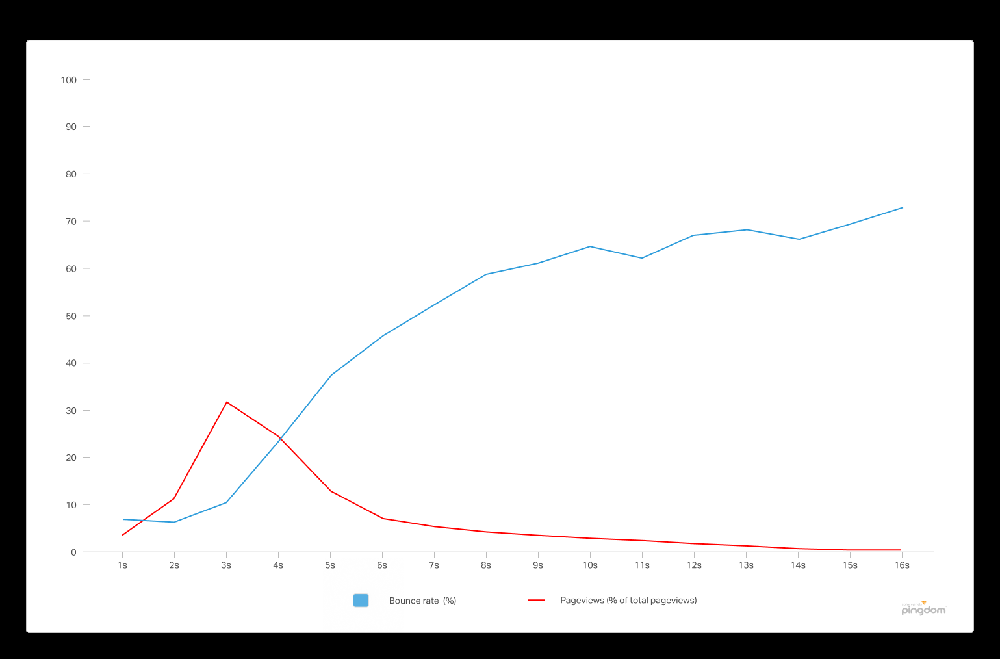
Building SEO into a website during development saves time and money later. By planning on-page SEO from Day One, web developers lay a strong foundation for better search rankings and user experience. This means choosing target keywords early, creating clear URLs and structure, writing people-first content, and setting up technical elements (like meta tags, schema, responsive design) right away. It also means optimizing performance. for example, Pingdom found that bounce rate jumps from 9% at 2s load to 38% at 5s. Integrating SEO early prevents costly fixes (restructures, rewrites) later. In a competitive market like Udaipur (population ~663k), a web design company that launches a site already optimized for search has a big advantage. We’ll cover a detailed on-page SEO checklist (content, technical, UX, performance, mobile, accessibility), code examples (meta tags, structured data, canonical links, etc.), common pitfalls, call-to-action placement, and even a 30-day timeline and promotion plan. The tone is easy and actionable, with internal link suggestions (e.g. a link to our {{services_url}} or {{portfolio_url}}) and relevant charts.
Why SEO from Day One Matters
SEO isn’t an add-on – it’s part of good site design. Google’s own SEO Starter Guide emphasizes following best practices to make content easy to crawl and understand. In practice, that means planning key steps before launch. For instance, On First Page notes that a site built with SEO in mind launches clean, organized, and ready to be indexed by search engines, whereas adding SEO later often requires costly fixes. Starting SEO early also aligns content with real user intent, keyword research should shape your pages (e.g. separate pages for different services or locations) so visitors and search bots both find what they need.
For a Udaipur based Web Design Company, launching with solid SEO is crucial in the local market. By embedding Udaipur-relevant keywords (city, state, local services) and structured local business info, the site can rank in local search. Since Rajasthan’s internet penetration is around 55% of population and Udaipur’s population is ~663k, that’s a large local audience online. A site that’s fast, mobile-friendly, and well-structured from Day One will more quickly reach those customers.
Key Takeaway:
SEO should guide your architecture and content from the start. As one SEO guide points out, “the good news? Many of the same on-page optimization practices that help you rank in traditional search also improve user experience and chances of being featured in AI answers”. In short, make sites crawlable and helpful first, and search engines will reward you.
Core On-Page SEO Elements for Developers
1. Keyword and Content Strategy
Keyword Research First: Even developers can start with basic keyword ideas. Identify terms your clients want to rank for (e.g. 'Web Design Company in Udaipur') and use them to guide page structure and content. Semrush recommends targeting keywords early, as all your on-page optimizations depend on them. Categorize your keywords by intent (informational, commercial, transactional) so you know what each page should do. For example, an About page may target brand queries, while a Services page targets transactional terms. In practice, this might mean building separate pages for each main service (as revealed by research) rather than stuffing everything on one generic page.
Write for People (and AI): Page content should answer user questions naturally. Google’s docs remind us that helpful content is key, not keyword-stuffed copy. On First Page advises writing conversational, informative copy that addresses user pain points, especially adding local context for Udaipur audiences. For example, mention Udaipur-specific examples or landmarks when relevant. This aligns with recent trends: Ahrefs found 99.9% of queries driving AI Overviews were informational, so delivering clear answers can also help featured snippets and AI responses. Use your primary keyword in the first 100 words or so, but focus on clarity. Bulleted FAQs or step-by-step answers can improve the chance of a Featured Snippet (Google suggests providing concise answers early on).
2. Page Titles, Meta, and Headings
Title Tags : Each page’s <title> tag should be unique and descriptive. Place the main keyword toward the start and keep it under ~60 characters to avoid truncation. Semrush advises: “Place your primary keyword near the start. Write clear, descriptive titles”. For example, a services page title could be:
<title>Web Design Company in Udaipur – SEO-Friendly Web Development | Udaipur Freelancer</title>
This signals to Google and users what the page is about, improving click-throughs.
H1 Headings: The page’s main <h1> should mirror the title in tone but can be more detailed. Use one H1 per page to clearly describe the content. The H1 can include the keyword (e.g. 'How Udaipur Freelancer Builds SEO into Every Website') but be a natural headline. Semrush notes your H1 and title don’t have to match exactly, but both tell Google and users the topic. After the H1, use <h2>–<h4> tags to structure subtopics (services, features, steps, etc.). This helps both SEO and readability.
Meta Descriptions: Write a compelling <meta name="description"> for each page. Though Google says meta descriptions aren’t a direct ranking factor, Semrush highlights 'they can significantly increase your click-through rate (CTR)' if well written. Include your main keyword and a call-to-action (e.g. Learn more or Get a quote). Keep it around 150 characters to avoid truncation. Example:
<meta name="description" content="Udaipur Freelancer is a leading Web Design Company in Udaipur. We build SEO into every site from day one, creating fast, mobile-friendly websites that rank higher on Google." />
This gives searchers a quick summary and incentive to click.
URLs: Use SEO-friendly URL slugs. The path (after the domain) should be short, descriptive, and include the keyword if possible. Separate words with hyphens. For instance, use /services or /udaipur-web-design rather than gibberish or numbers. Semrush recommends removing stop words (like and or the) and dates. For example, prefer /fresh-flower-delivery over /wf-arrangements-2025-page1. A clean URL helps both users and search engines know the page topic at a glance.
3. On-Page Content
High-Quality, Unique Content: Every page should have substantial, original content that delivers value. Avoid thin or duplicate content across pages. Use the keyword naturally throughout, but prioritize readability. Include synonyms and related terms (LSI keywords) like 'SEO services in Udaipur' or 'Udaipur website design' so you’re not just repeating the same phrase. Break text into short paragraphs and lists to improve UX. For example, bullet lists for features or steps can make content scannable (and possibly become a featured snippet).
Internal Linking: As you write, link to other pages on your site. This helps search engines discover and rank pages. For instance, if discussing our services, you might link to your detailed Services page with anchor text like 'SEO and Web Design services' or 'our portfolio'. Example: 'Check out our <a href="{{services_url}}">services</a> page to learn more about SEO-friendly web design offerings.” Use descriptive anchors rather than generic “click here.” Also, ensure navigation is logical, group related services together and include links in menus or footers to important pages. A well-organized link structure improves crawlability and distributes SEO value.
Call to Action (CTA): Include a clear CTA on each page. After explaining a service or benefit, prompt the user to take action (e.g. “Ready to grow your Udaipur business online? <a href="{{contact_url}}">Contact us</a> for a free consultation.”). Place CTAs above the fold and at the end of sections. A CTA with a link to your Contact page (using {{contact_url}}) encourages conversions and provides another internal link.
4. Technical Factors
Mobile-First & Responsive: Ensure the site is mobile-friendly. Google now indexes and ranks pages based on the mobile version ('mobile-first indexing'). That means design responsively, the same content should exist on desktop and mobile URLs (no hidden mobile content). Google explicitly recommends responsive design as the easiest to implement and maintain. In practice, use the same HTML for both desktop and mobile, with CSS media queries to adjust layout. Don’t hide primary content behind user interactions (Google won’t count lazy-loaded content that requires clicks). Test pages with Google’s Mobile-Friendly Test.
Site Performance: Page speed is critical. Slow-loading sites lose visitors (and rankings). As one study showed, bounce rate spikes sharply as load time grows. Aim for first contentful paint within 2.5 seconds. To do this, minify CSS/JS, use gzip compression, and serve images in optimized formats. Lazy-load offscreen images and videos, but ensure key content loads immediately. Use a CDN and good hosting. Tools like Google PageSpeed Insights and Lighthouse (from Chrome DevTools) can help diagnose slow elements. Good Core Web Vitals scores (LCP under 2.5s, INP <200ms, CLS <0.1) are now important for Google, optimize images and CSS to improve these metrics. (See [Figure 2] below.)
Accessibility: Use proper alt text on all images. Alt text boosts SEO (Google reads it) and helps users who use screen readers. Include a brief, descriptive alt attribute (e.g. alt="Screenshot of Udaipur Freelancer homepage"). Ensure good color contrast, use heading tags semantically (don’t skip H2, H3 in order), and label form fields. While not strictly SEO, accessibility best practices also improve UX and may indirectly help your rankings by keeping users engaged.
Structured Data: Implement schema markup (JSON-LD) to help Google understand your content and company info. For a web design firm, use Organization or LocalBusiness schema with your name, address, phone, and social profiles. Google recommends JSON-LD format as easiest to implement. For example, add something like:
There’s more to life than simply increasing its speed.
This tells Google your location and business type (important for local SEO). Test it with Google’s Rich Results Test. Also consider adding JSON-LD for breadcrumbs (BreadcrumbList) and for any FAQ sections on service pages to enhance search snippets.
Other Meta Tags: Include a canonical tag on each page to avoid duplicate-content issues (pointing to the preferred URL). Example: <link rel="canonical" href="https://{{home_url}}/services" />. If your site has multiple languages, use hreflang tags to signal language/region versions (e.g. <link rel="alternate" href="https://{{home_url}}/" hreflang="en" />).
Social Meta: Though not affecting rank, Open Graph and Twitter Card tags improve social sharing. In your <head>, include tags like:
<meta property="og:title" content="How a Good Web Developer Integrates On-Page SEO" />
<meta property="og:description" content="Learn on-page SEO best practices for web developers by Udaipur Freelancer." />
<meta property="og:image" content="https://{{home_url}}/images/seo-infographic.png" />
<meta property="og:url" content="{{home_url}}" />
This ensures that when someone shares your blog on Facebook or LinkedIn, a proper title, description, and image appear.
On-Page SEO Checklist
Putting it all together, here’s a quick checklist a developer should follow on Day One:
Keyword Research: Identify 3–5 main keywords (including 'Web Design Company in Udaipur') for each new page. Plan page topics and URLs around these terms.
Page Titles & H1: Write unique <title> and <h1> with the target keyword near the start.
Meta Description: Craft a concise meta description with the keyword and a call to action (under ~155 chars).
URL Slugs: Use a descriptive URL that includes the keyword, separated by hyphens (e.g. yourdomain.com/udaipur-web-design).
Header Structure: Use H2/H3 tags for sections to break up content logically. Start with a strong introduction and use headings to match searcher questions.
Content Quality: Write helpful, informative content of 300+ words per page. Answer the user’s query early (first paragraph) to help featured snippet potential. Avoid duplicate or thin content. Include the target keyword and related terms naturally.
Images & Media: Add relevant images or infographics. Use compressed image formats (WebP/AVIF) to improve load times. Include descriptive alt text for SEO and accessibility (e.g. alt="Developer coding HTML tags").
Internal Links: Link related pages together with descriptive anchors. For example, link “our {{services_url}}” to the services page and “see our {{portfolio_url}}” to the portfolio page. Include navigation links to key sections like 'Services' and 'Contact.'
Page Speed: Optimize performance with techniques like minifying files, using caching, and CDNs. Aim for LCP < 2.5s (Core Web Vitals). This reduces bounce rate and improves rankings.
Mobile Optimization: Ensure responsive design (same content on mobile and desktop). Google favors mobile-friendly sites. Verify on Google’s Mobile-Friendly Test.
Accessibility: Follow WCAG basics: use proper headings, alt text, and readable font sizes. Google encourages good UX as part of page experience (mobile and accessibility improvements help keep users engaged).
Schema Markup: Add JSON-LD for company info (LocalBusiness/Organization). Optionally add schema for articles, products or FAQs if applicable. Google’s structured data guidelines say this helps search engines understand the content and enables rich results.
Canonical & Robots: Include a <link rel="canonical"> on each page. Make sure important pages are not accidentally blocked by robots.txt or <meta name="robots" content="noindex">.
Test & Validate: After setup, use tools: Google Search Console (crawl/index status, Core Web Vitals report), PageSpeed Insights, Rich Results Test, and mobile-friendly test. Fix any errors (e.g., missing structured data fields).
<!-- Table comparing on-page tactics -->
On-Page Element
Purpose
Best Practice & Tools
Title tag & H1
Clarify page topic for search engines
Include primary keyword early, keep title <60 chars
Use alt text, clear fonts, proper contrast; semantic HTML
Canonical tags
Prevent duplicate content issues
<link rel="canonical"> to the preferred URL of each page
Social Meta tags
Optimize link previews on social networks
Open Graph/Twitter cards: set title, desc, image for shares
Code Snippets & Examples
Including these examples in your HTML <head> (or page) can jump-start your SEO setup:
<!-- Example Title and Meta tags -->
<title>Web Design Company in Udaipur – SEO-Friendly Web Development | Udaipur Freelancer</title>
<meta name="description" content="Udaipur Freelancer is a leading Web Design Company in Udaipur. We build SEO into every site from day one, creating fast, mobile-friendly websites that rank higher on Google." />
<link rel="canonical" href="https://{{home_url}}/services" />

<!-- Open Graph (Social Sharing) -->
<meta property="og:title" content="Web Design Company in Udaipur – On-Page SEO from Day One" />
<meta property="og:description" content="Learn how Udaipur Freelancer integrates on-page SEO into every website." />
<meta property="og:image" content="https://{{home_url}}/images/seo-infographic.png" />
<meta property="og:url" content="https://{{home_url}}" />

<!-- Twitter Card -->
<meta name="twitter:card" content="summary_large_image" />

<!-- Hreflang (if multiple languages) -->
<link rel="alternate" href="https://{{home_url}}/" hreflang="en" />
<link rel="alternate" href="https://{{home_url}}/hi/" hreflang="hi" />

<!-- Example Structured Data (JSON-LD) -->
<script type="application/ld+json">
{ "@context": "https://schema.org",
  "@type": "LocalBusiness",
  "name": "Udaipur Freelancer",
  "image": "https://{{home_url}}/logo.png",
  "address": {
    "@type": "PostalAddress",
    "streetAddress": "123 Example Road",
    "addressLocality": "Udaipur",
    "addressRegion": "Rajasthan",
    "postalCode": "313001",
    "addressCountry": "IN"
  },
  "telephone": "+91-XXXXXXXXXX",
  "url": "https://{{home_url}}"
}
</script>
(Replace placeholder values like {{home_url}} with your actual site URLs and details.)
Common Pitfalls to Avoid
Even with a checklist, developers sometimes slip up. Watch out for these common mistakes:
Keyword Stuffing: Overusing keywords can hurt readability and trigger Google’s spam filters. Use synonyms and write naturally.
Duplicated Content: Copying content from other sites or even other pages on your site is penalized. Ensure each page has unique content.
Ignoring Mobile: If the mobile site lacks content or loads slowly, rankings will suffer. Remember Google’s mobile-first stance.
Slow Page Speed: Heavy images, unoptimized code or no caching can make a fast user wait. Given bounce rates soar with delays, always optimize performance up front.
Missing Meta/Data: Forgetting a title tag or meta description (or using defaults) is a lost opportunity. Each page should have its own custom meta.
Poor Navigation: If menus are confusing or some pages are orphaned (no links to them), Google might not crawl everything. Keep your site structure logical and flat as possible.
No Schema: Skipping structured data means missing out on rich results (star ratings, knowledge panels). Adding even basic Organization or LocalBusiness schema can give an edge.
Weak CTAs: A beautiful, SEO-optimized page still needs a call-to-action. Don’t bury 'Contact us' or 'Request a Quote' links at the bottom – place them where the user decides to convert.
CTA and Conversion Strategy
An SEO-optimized page also needs to convert visitors into leads. Place clear CTAs throughout the content. For example:
After describing a service: “Interested in our responsive web designs? <a href="{{services_url}}">View our services</a> or <a href="{{contact_url}}">get in touch</a>.”
In sidebars or sticky bars: “Get a free SEO audit – <a href="{{contact_url}}">Book a consultation</a>.”
Use action-oriented text (Subscribe, Get a Quote, Call Now) and make buttons noticeable. Since this content is casual and helpful, CTAs should be friendly and relevant, not pushy. For instance, after a section on SEO best practices, you might add a subtle banner: “Want an SEO-friendly website? Our <a href="{{services_url}}">website development services</a> can help.”
Images & Snippet Optimization
Good visuals and snippet-friendly content can boost engagement. Consider adding charts, infographics or local images:
Internal Images: Use custom graphics or photos of Udaipur landmarks to personalize the content. For example, an infographic of the on-page SEO checklist (with alt text like “Infographic: On-page SEO steps for web developers”). Or an image showing code snippets, with alt="Code editor showing meta tags". Ensure each image’s filename and alt text incorporate relevant terms ('udaipur-web-design.jpg', alt describing the image).
Featured Snippets: Format some content to target snippets. Use question-style headings and bullet or numbered lists to directly answer common queries (e.g., 'What is on-page SEO?' followed by a concise answer or list). Google notes that high-quality answers to clear questions can appear in featured snippets. (There’s no special HTML for snippets – just answer the query in plain text and structure it well.)
Social Sharing: When readers share the blog, the Open Graph tags (from our meta code above) ensure the right title, image, and description appear on platforms like Facebook or LinkedIn. Also, add a summary or quote markup if needed for platforms like WhatsApp or Telegram.
Content Promotion Plan (Week 1)
Publishing the post is just step one. Here’s a one-week plan to promote it and get traffic:
Day 1: Publish the blog on your site. Announce on social media (LinkedIn, Twitter, Facebook) with a catchy line and image. Encourage your team to share. Email your subscribers list with a teaser and link.
Day 2: Share in relevant forums or groups (e.g., local Udaipur business forums, SEO/developer communities). Post a summary on LinkedIn Pulse.
Day 3: Reach out to local businesses or partners. Ask if they’d find it useful (some may link to it). Post on Quora or Reddit in relevant threads ('on-page SEO', 'web development Udaipur').
Day 4: Create complementary content: e.g., a short infographic or slide deck of the SEO from Day One checklist, and share it on SlideShare or Pinterest (with embed link back).
Day 5: Pitch industry blogs or guest post opportunities. For example, local tech blogs or digital marketing sites might republish or link to your post.
Day 6: Boost the post with a small ad budget (Facebook/LinkedIn Ads targeting Udaipur businesses).
Day 7: Monitor analytics (Google Analytics/Search Console) to see traffic and queries. Respond to any social comments. Plan next updates or related posts (e.g., more on off-page SEO).
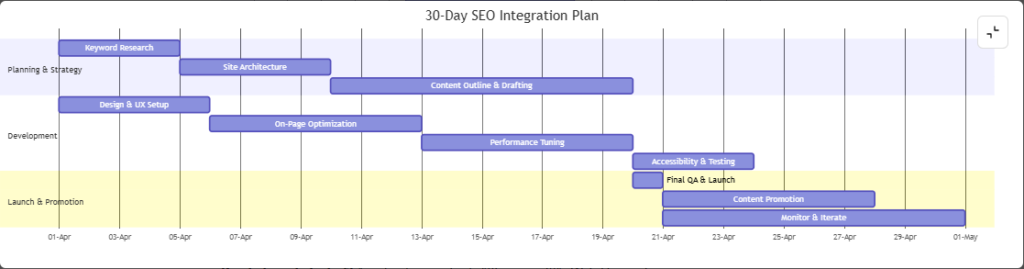
30-Day SEO Integration Timeline
This Gantt chart outlines tasks from Day 1 (keyword research, planning) through Launch and post-launch monitoring. Adjust dates as needed for your project start.
By following this guide, a web developer (or team) in Udaipur can ensure on-page SEO is baked in from the beginning. Every title tag, URL, image, and code snippet is crafted with both the user and search engine in mind. The result is a fast, user-friendly website that hits the ground running in search rankings – saving time and money compared to retroactive fixes.
Ready to get started? As a leading <a href="{{home_url}}">Web Design Company in Udaipur</a>, Udaipur Freelancer is here to help with SEO-friendly web development. Check out our <a href="{{services_url}}">services</a> or <a href="{{contact_url}}">contact us</a> to discuss your next project.
Udaipur Freelancer delivers high-quality web, marketing, and design solutions. We focus on building impactful digital experiences that help your brand succeed in today's market.













Recommended for you
Must-See Art Exhibitions Around the World This Year
The Revival of Classical Art in a Digital Age
Breaking Down the Elements of a Masterpiece Painting
The Revival of Classical Art in a Digital Age