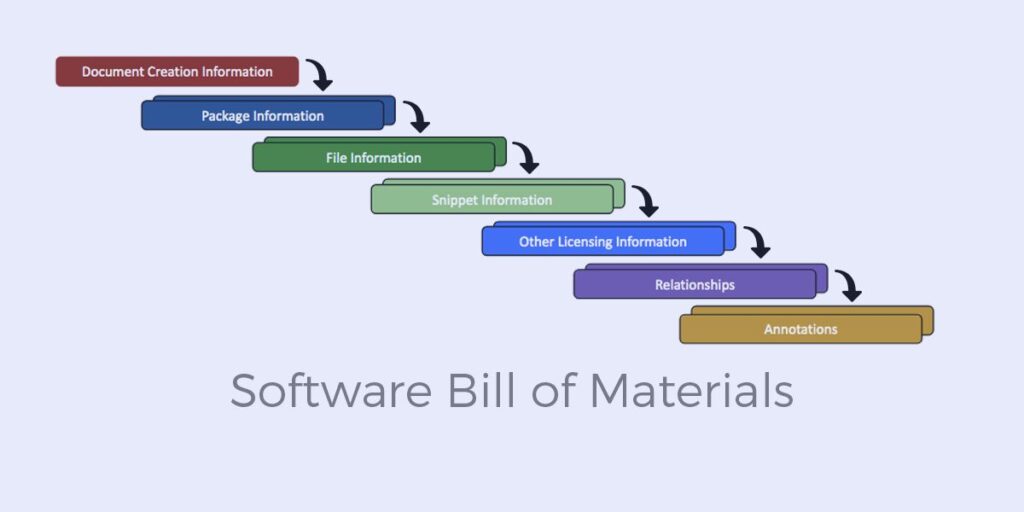
In an era where software is rarely built from scratch but rather assembled from a complex web of open-source libraries and third-party components, the modern supply chain has become a primary target for sophisticated cyber threats. For years, organizations operated under a black box mentality, trusting that the software they purchased or integrated was inherently secure, only to be blindsided by massive vulnerabilities lurking deep within nested dependencies. This lack of visibility is exactly what a Software Bill of Materials, or SBOM, is designed to solve. Much like a nutrition label on a food package or a list of ingredients, an SBOM provides a comprehensive, machine-readable inventory of every component, version, and license that makes up a software application. By transforming the opaque nature of digital products into a transparent map of assets, organizations can finally move away from reactive crisis management and toward a proactive stance on supply chain integrity.
The true utility of an SBOM lies in its ability to accelerate incident response and vulnerability management to unprecedented speeds. When a zero-day vulnerability like Log4j is discovered, the traditional response involves days or even weeks of manual searching across various systems to determine if and where the organization is at risk. With a robust SBOM strategy in place, security teams can cross-reference new threats against their existing inventory in seconds, pinpointing exactly which applications are compromised and where patches are required. This level of granular visibility not only minimizes the window of opportunity for attackers but also reduces the alert fatigue that plagues IT departments by eliminating guesswork. Beyond immediate security concerns, SBOMs also provide a vital layer of protection against legal and compliance risks, ensuring that organizations are fully aware of the licensing requirements of the open-source snippets they use, thereby avoiding costly copyright disputes.
As regulatory bodies and governments around the world begin to mandate software transparency, the SBOM is rapidly transitioning from a nice-to-have security best practice to a fundamental requirement for doing business. Modern enterprises are realizing that supply chain security is not just an IT problem, but a core component of business continuity and brand trust. By demanding SBOMs from vendors and producing them for their own customers, companies create a culture of accountability that ripples across the entire digital ecosystem. This shift toward transparency fosters a secure by design philosophy, encouraging developers to choose well-maintained components and allowing buyers to make informed decisions based on the risk profile of the software they adopt. Ultimately, the widespread adoption of SBOMs represents a turning point in cybersecurity, laying the foundation for a more resilient and trustworthy digital world where every ingredient is known and every link in the chain is fortified.
There’s more to life than simply increasing its speed.
By Udaipur Freelancer

















Recommended for you
Must-See Art Exhibitions Around the World This Year
The Revival of Classical Art in a Digital Age
Breaking Down the Elements of a Masterpiece Painting
The Revival of Classical Art in a Digital Age