In 2026, online shopping is booming. Experts predict global e-commerce sales will reach about $6.88 trillion this year, up from $6.42 trillion in 2025. Around 20–23% of all retail purchases are happening online. This rapid growth means businesses everywhere must have a strong online store to compete. Even local shops in Udaipur can sell to the world if their website has the right features. As a Top Web Design Company in Udaipur, our team at Udaipur Freelancer builds e-commerce sites with the tools that keep customers happy and sales high. In this article, we’ll cover the key features your online store needs in 2026, backed by data and real examples.
Customers expect your site to load instantly. In fact, more than half of mobile users (53%) will leave a page that takes longer than 3 seconds to load. Slow sites lose sales fast. To keep shoppers engaged, use optimized images, clean code, and a good hosting setup. Many businesses now use Progressive Web Apps (PWAs) or caching techniques so pages open instantly on repeat visits.
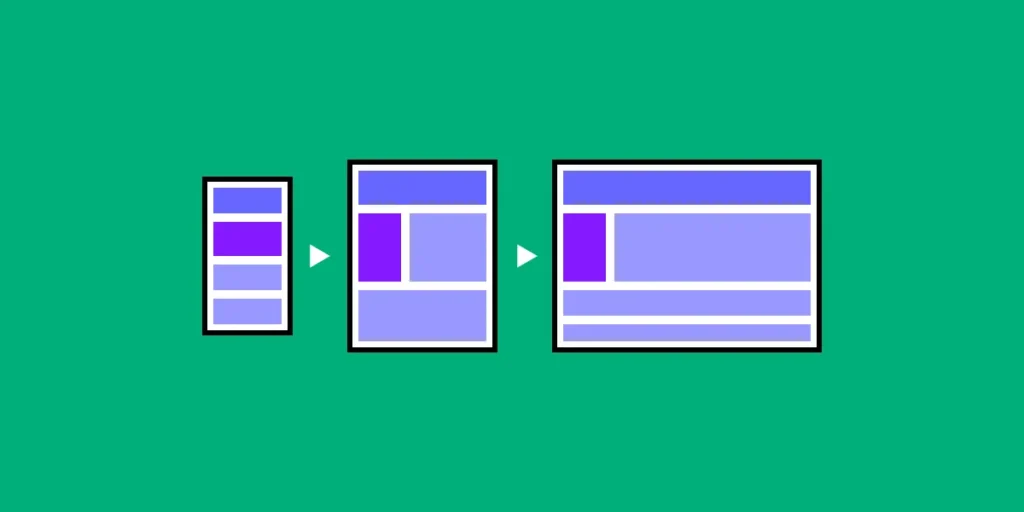
Almost all customers browse and shop on mobile devices. In 2024 there were 7.33 billion mobile phone users worldwide, and about 73% of e-commerce sales happen on mobile. This means your site must be optimized for phones and tablets. Text, menus and images should resize smoothly, and checkout steps should fit on a small screen. For example, buttons should be large enough for thumbs, and forms should use auto-fill. We test each design on phones and tablets to make sure shoppers from Udaipur and beyond have a smooth experience. (After all, over two-thirds of online purchases are made on mobile devices.)
Quick tips: Use a responsive or mobile-first design, compress images, and enable fast web caching. Test on multiple devices to catch any layout issues.
2. Intuitive Navigation and Smart Search
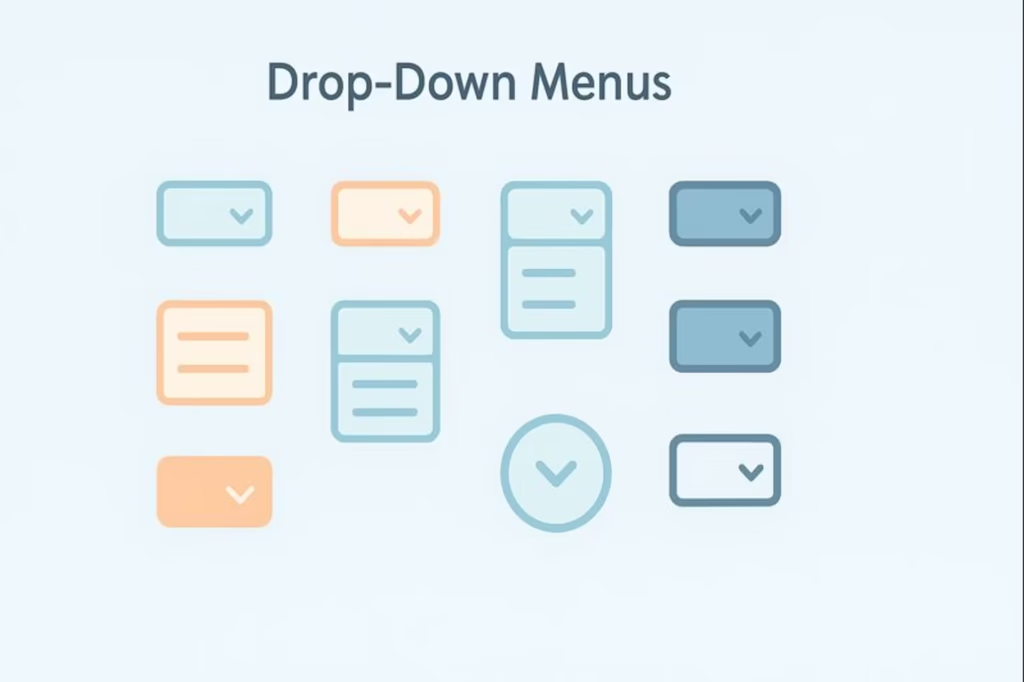
Your visitors should find what they want in seconds. Clear menus, categories, and filters let shoppers drill down to products quickly. For example, group items by category (like 'Men’s Shoes' or 'Kitchen Tools') and allow filtering by size, color, or price. Adding an autocomplete search box helps too – as users type, it suggests products so they don’t have to spell the whole name.
Good navigation is simple. HubSpot reports 76% of people prefer websites that are easy to use. That means clear labels, logical menus, and a visible search bar. Use concise menu titles (for example, 'Toys' instead of 'Our Playful Products') and avoid clutter. If your store has many sections, include a breadcrumb trail (Home > Category > Subcategory) so users always know where they are.
At Udaipur Freelancer, a Leading Web Design Company in Udaipur, we always map out the customer’s journey. We ask: Can a shopper reach any product in three clicks or less? If not, we simplify. Even simple features like breadcrumbs, Back to Top buttons, or a sticky menu can make navigation feel friction-free.
In practice: Imagine a customer wants running shoes. They should be able to quickly click Sports > Shoes > Running or type part of the shoe name in the search box and see matches instantly. If you have a large catalog, include sorting (by price or popularity) and filters (by brand, size, etc.).
3. High-Quality Product Images and Videos
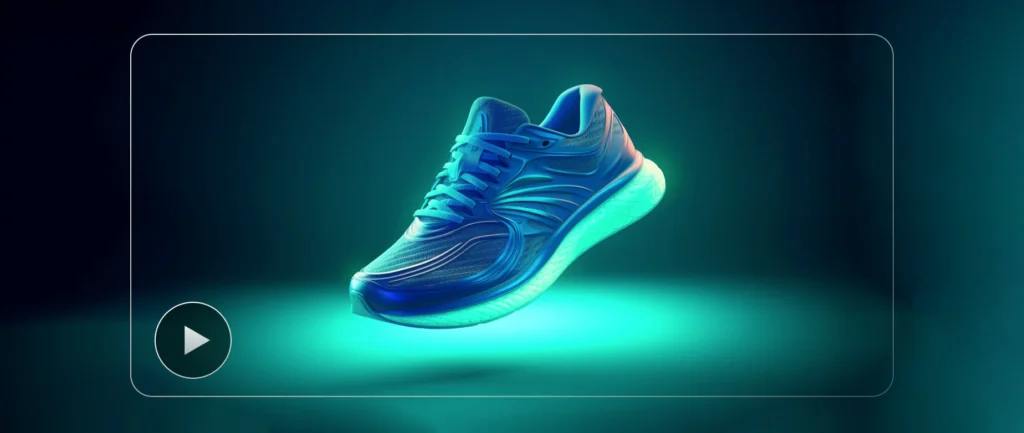
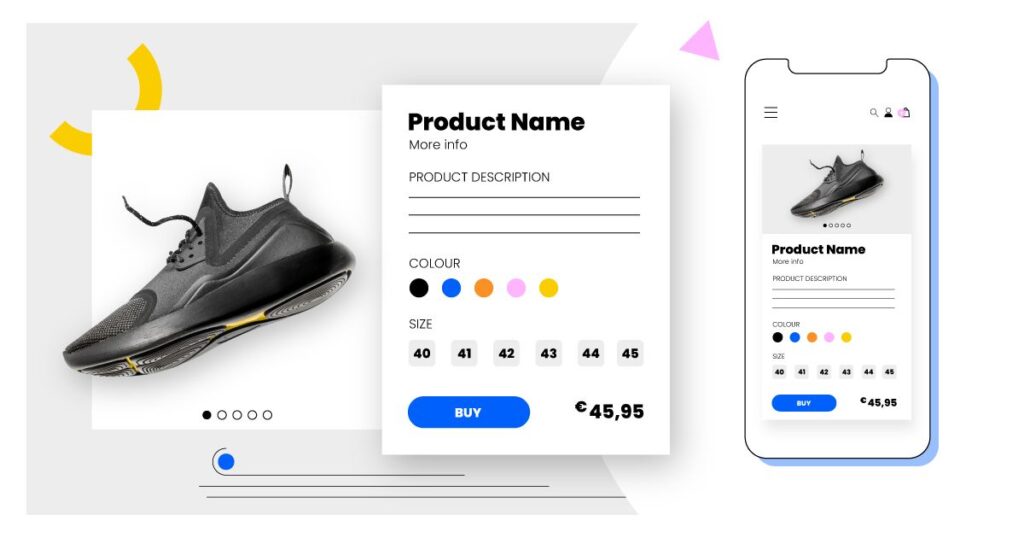
Online, the product image is the closest substitute for touching and feeling an item. According to industry data, 77% of shoppers say high-quality images or videos are important to their purchase decision. Poor or tiny photos make customers doubt the product and your store’s credibility.
Always use clear, well-lit photos from multiple angles. Allow zooming so customers can see details. For clothing or furniture, include a 360° spin or video if possible. For example, our client Udaipur Handicrafts uses photo galleries and short videos on each product page, letting customers see texture and scale. This builds confidence. In fact, stores that use rich media often have fewer returns – studies show 71% of returns happen because the item didn’t match expectations. Better images can prevent that gap.
Best practices:
Use a plain (often white) background so the product stands out.
Ensure images are at least 1000 pixels wide for detail.
Include a zoom or hover-zoom effect.
Use videos for complex products (e.g. put-on shoes, moveable parts).
For instance, a quick GIF or video showing someone using your product can dramatically increase engagement. Some brands even offer Augmented Reality (AR) views so shoppers can place a product in their room. (Think of IKEA’s app that shows furniture in your home.) While AR is still cutting-edge, simpler steps like multiple images and video already pay off.
4. Detailed Product Information and Descriptions
Besides visuals, text content is key. Every product needs a clear, concise description that highlights benefits. Instead of generic boilerplate, use bullet points for key features (size, material, care instructions) and a short paragraph telling a story or usage tip. For example: “Our Handcrafted Silk Scarf is perfect for cool Udaipur evenings – it’s lightweight, 100% silk, and available in three vibrant colors.” This helps customers imagine using the product.
Good descriptions also help with SEO so your site ranks in search results. Include relevant keywords naturally (e.g. 'Udaipur handmade silk scarf'), which helps local shoppers find you online.
Additionally, use spec sheets or tables for technical specs (dimensions, battery life, etc.) if applicable. That way, a tech-savvy customer can quickly compare products. Always fill in the meta description and alt text for images on your site: Google still crawls those.
5. Customer Reviews and Social Proof
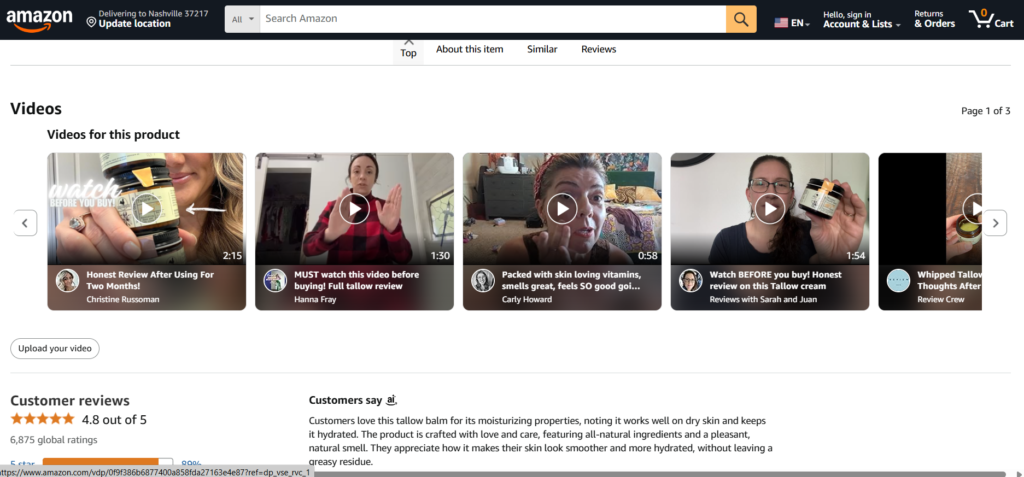
Before buying, most people check reviews. In fact, one study found that about 95% of consumers read reviews before purchasing. Showing customer reviews directly on product pages builds trust. It’s social proof: if others liked it, I probably will too.
Include both star ratings and written feedback. Let customers filter or sort reviews (most helpful, most recent). If your platform allows, show if a review is verified or include photos from customers using the product. We often integrate Google or Facebook reviews on client sites, which automatically show up-to-date feedback.
Don’t forget to respond to reviews (even negative ones) in a polite way. It shows prospective buyers that you care about customer experience. Mention in your content that you display genuine ratings and testimonials to reassure visitors.
On our Udaipur Freelancer Example Portfolio, one client’s online gift store saw a 20% conversion lift just by adding customer testimonials on their best-selling items. People feel more confident clicking Buy when they see real feedback.
6. Multiple, Secure Payment Options
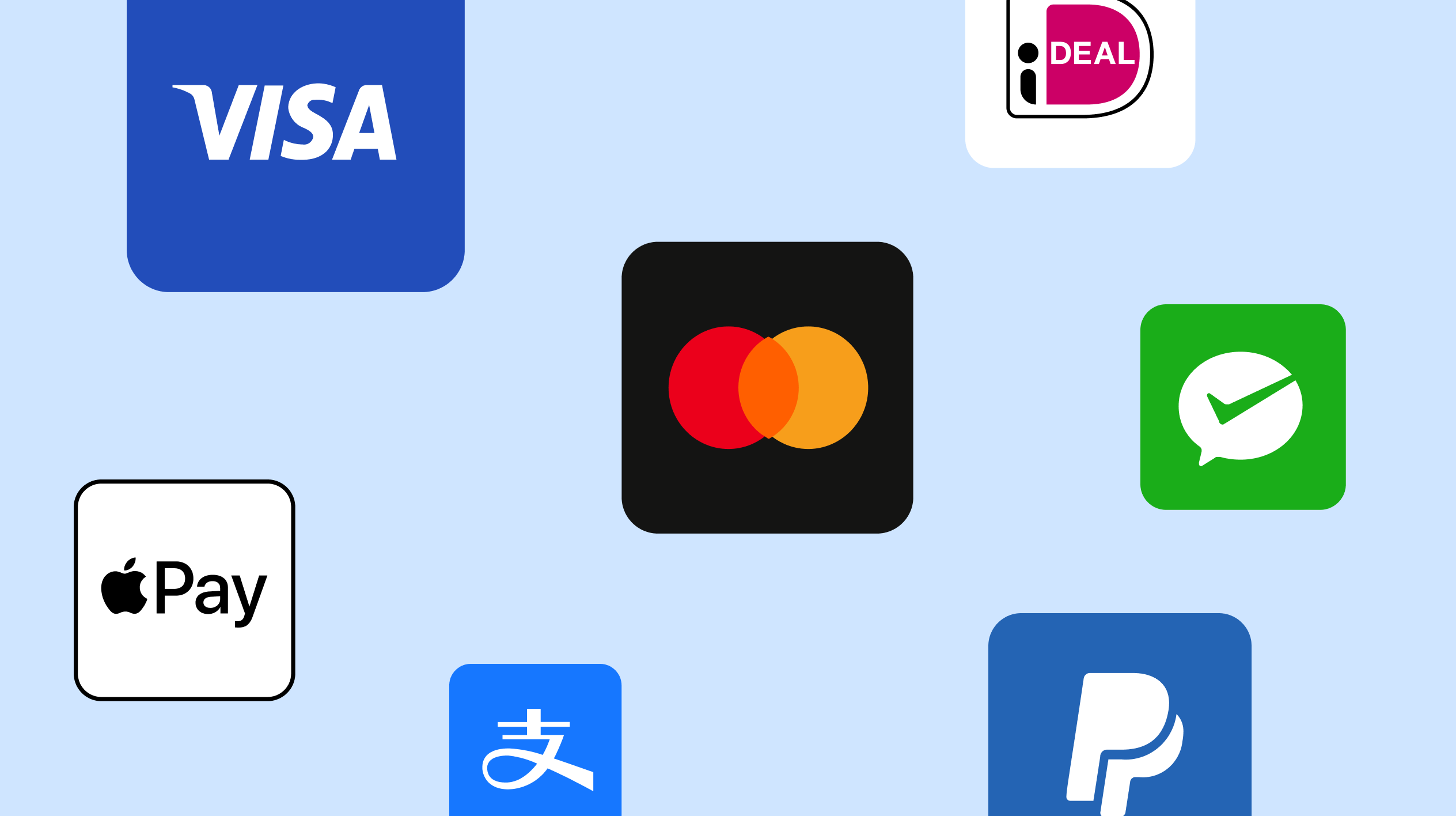
Your checkout should offer many payment methods. Depending on your audience, this could include credit/debit cards, e-wallets like Paytm or Google Pay, net banking, UPI, and cash-on-delivery for local orders. Data shows mobile commerce is dominant, so include popular mobile wallet options. The more choices, the fewer customers bail out.
At the same time, security is crucial. In 2025, nearly 70% of online shoppers abandoned carts primarily because of extra costs or checkout friction, and security concerns accounted for about 19-25% of cart abandonment. Display clear trust signals: use SSL (HTTPS) on every page, and display trust badges (e.g. VeriSign, PCI compliance logos) near the payment form.
For example, on every Udaipur Freelancer-built e-commerce site, the checkout page header shows Secure Checkout and card icons. We also recommend using well-known payment gateways (like Stripe, Razorpay, PayPal) because customers trust those names. Avoid redirecting users to unknown pages.
There’s more to life than simply increasing its speed.
By Udaipur Freelancer
Finally, include a summary of costs early. Hidden fees (shipping, taxes) kill sales. We saw another study where 47% of shoppers say surprise shipping/tax fees stop them from buying. Show shipping cost estimates on product pages or in the cart before final payment. Transparency about costs and security greatly reduces abandonment.
7. Simplified, One-Page Checkout
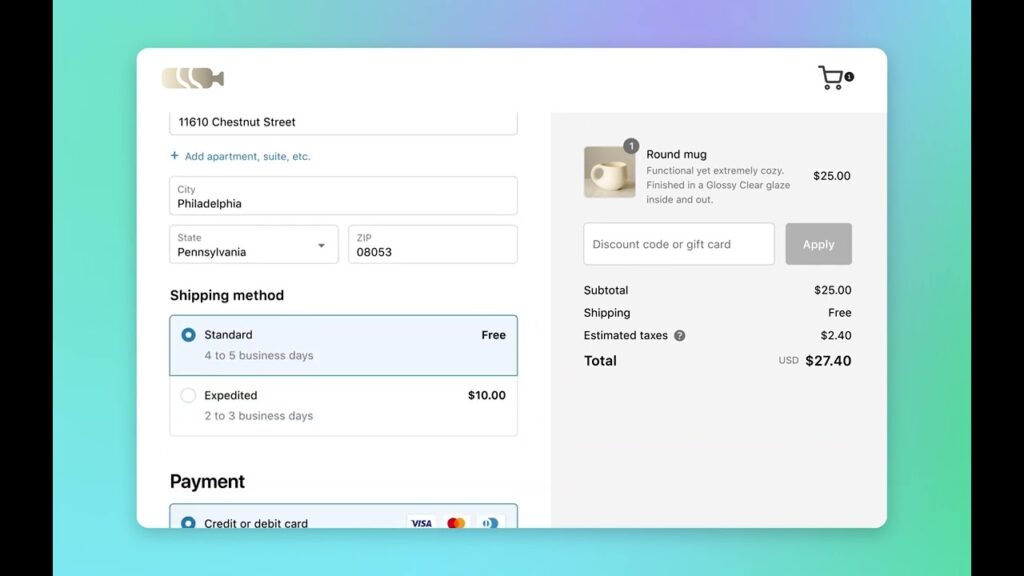
A smooth checkout can dramatically increase sales. Since Baymard Institute reports that around 70% of carts are abandoned, making the final steps easy is a top priority.
Key tips:
Guest checkout: Don’t force account creation. The Forbes stats say 25% of users will drop out if an account is required. Offer a simple guest checkout option. You can prompt customers to create an account after purchase for convenience.
Minimal fields: Only ask for essential information (like shipping address and payment) and auto-detect things when possible (zip code to city).
Progress indicators: If you must have multiple steps (Address -> Payment -> Confirm), show a progress bar ('Step 2 of 3') so users don’t feel lost.
Saved carts: If possible, save the shopping cart for returning visitors. A well-known stat is that 7 out of 10 carts are abandoned, so emailing reminders with the cart contents can win back customers.
Keep the final Place Order button big and in a contrasting color. Many stores embed a small checklist next to it (Secure Payment, Free Returns, 24/7 Support) to reassure the buyer at the last moment. These small touches can lift conversions. (Udaipur Freelancer always tests the checkout process on real users to catch any hiccups before launch.)
8. Personalized Recommendations and Offers
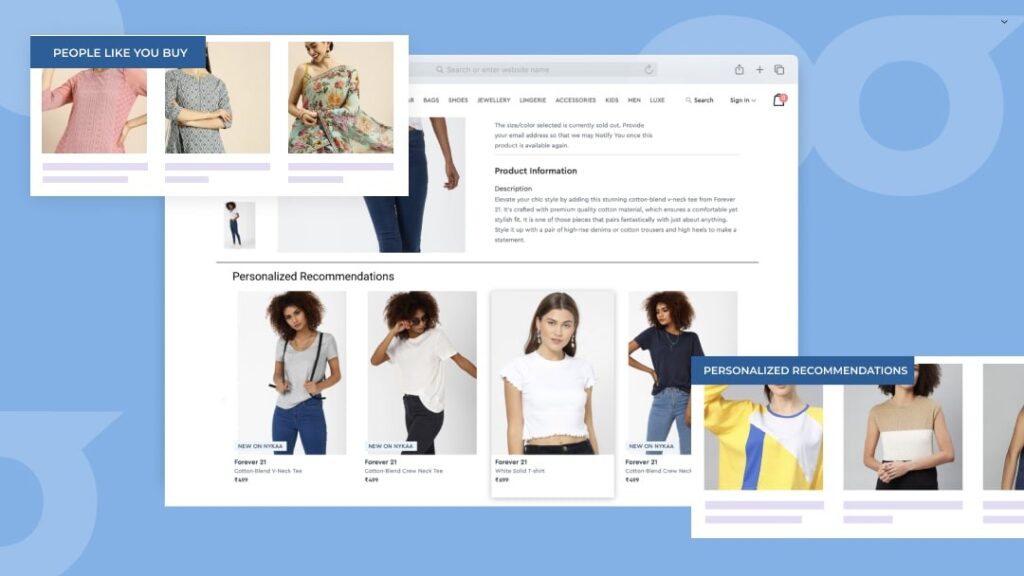
In 2026, customers expect your site to know them. Research shows 71% of consumers want personalized online experiences, and about 45% say they are more likely to shop on sites that offer recommendations based on their preferences.
Use customer data to personalize the shopping journey. For example:
Recommended products: On each product page or in the cart, show 'Customers who bought this also bought…' or 'Recommended for you.'
Dynamic home page: If a shopper viewed 5 shirts last time, highlight new arrivals in clothing when they return.
Special offers: Send personalized coupon codes for items left in a cart or for categories a user browsed.
This can be as simple as using email marketing automation or on-site suggestions. More advanced stores use AI-driven engines to power this. Either way, personalization can boost average order value by encouraging cross-sells. For instance, an accessory or extra warranty offered at checkout can turn a $50 sale into $60 or $70.
Remember to respect privacy: don’t be creepy. Let users control data (opt-out, clear cookie banner). But when done right, personalization both helps customers find what they want and increases loyalty. At Udaipur Freelancer, we often implement recommendation widgets on our clients’ Magento and Shopify stores to automate this step.
9. Strong SEO, Analytics, and Content Strategy
A powerful e-commerce site does more than sell – it also needs to attract buyers in the first place. That means solid SEO (search engine optimization) and analytics:
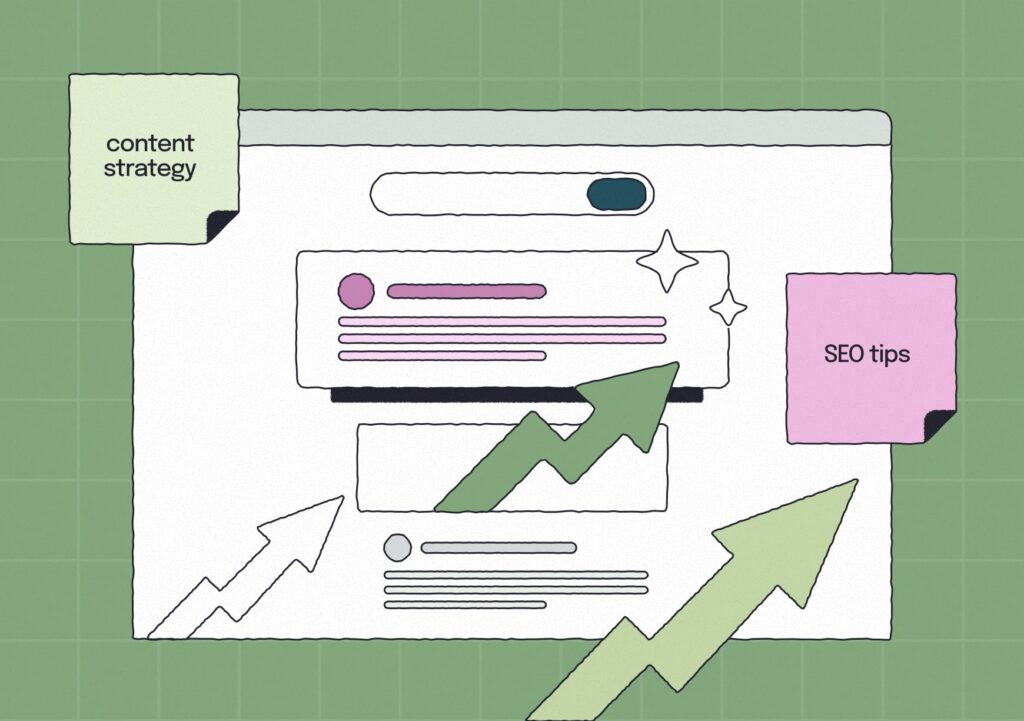
SEO fundamentals: Each page (home, category, product) should have a unique title and meta description with relevant keywords (e.g. 'best Udaipur handicrafts store'). Use clean URLs (like /products/silk-scarf) and include alt-text for all images. Even in 2026, Google values mobile-friendliness and fast speeds (which we covered above). Good SEO brings organic traffic.
Blog or guides: Having a blog or help section can draw visitors. Write simple guides (e.g. 'How to measure scarf size' or 'Top 5 souvenirs from Udaipur') that link to products. This boosts SEO and establishes your site as helpful.
Analytics: Install tools like Google Analytics or open-source ones to track visitor behavior. This data helps you improve the site over time. For example, if analytics show many users drop off on the payment page, that signals a checkout issue to fix.
Local SEO: Since 'Web Design Company in Udaipur' is our focus keyword, note that if your business is local, ensure your site has your address and a Google Business listing. That way local shoppers can find you.
For our clients, we emphasize tracking: we set up goals (sales, sign-ups) and monitor them monthly. That way the features we build (like better navigation) can be measured in real results.
10. Helpful Chat Support and Customer Service Features
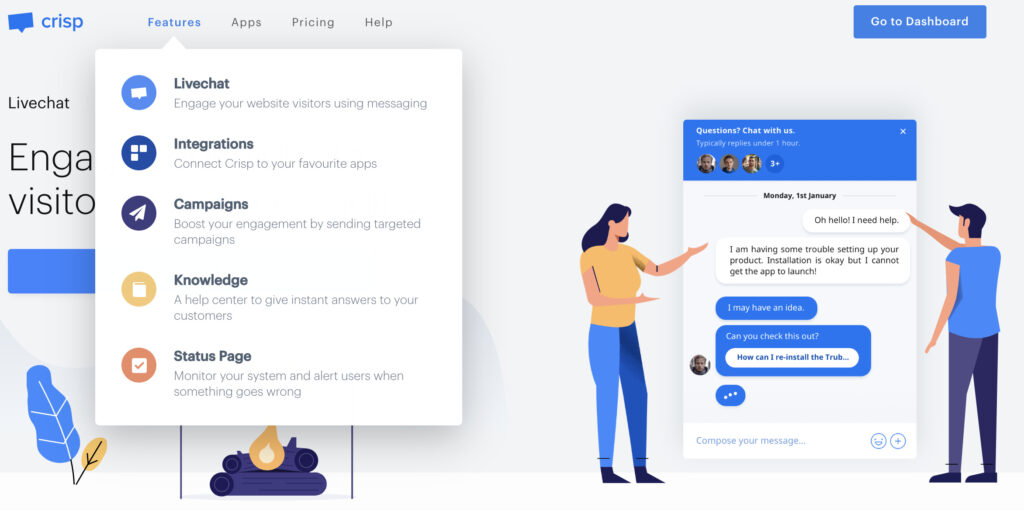
Finally, great support keeps customers coming back. In 2026, buyers expect quick answers. Adding a live chat widget or chatbot can resolve questions on the spot (e.g. What size fits? or Can I return this?). Many sites use chatbots for FAQs. Even a simple email link or WhatsApp number on every page shows you’re reachable.
Also include clear return/exchange policies and a Contact Us page with phone, email, and office address. Let users easily find shipping information and return steps – uncertainty here can also drop carts.
On Udaipur Freelancer-built sites, we often add a floating help button (Need Help?) that stays visible. This might link to an FAQ page, live chat, or even to our own support team if we host the store. Having these human touches earns customer trust and repeat visits.
11. Future-Proof Features (AI, AR, and Beyond)
Looking ahead, some cutting-edge features are becoming more common:
AI/Voice Search: As voice assistants get smarter, consider adding a voice search on your site (search by speaking). While still new, it can help busy shoppers.
Augmented Reality: Some retailers now let customers try on glasses or place furniture in their home via AR. If your products are suited (like home decor or apparel), keep an eye on AR plugins. They aren’t essential yet, but by 2026 they may become standard for big retailers.
Progressive Web App (PWA): PWAs load instantly and can work offline. This technology blurs the line between apps and websites. If mobile shopping is your main focus, upgrading to a PWA can make your site feel like a native app.
While these aren’t must-haves for every small shop yet, they represent where e-commerce is heading. We mention them here so you know what’s possible. For most businesses, nailing the basics above will get you ahead of 90% of competition.
Conclusion
Building an e-commerce website today means more than just putting products online. Customers in 2026 demand speed, ease, trust and personalization at every step. By incorporating fast, mobile-friendly pages, clear navigation, rich product displays, social proof, and a secure, one-page checkout, you set your store up for success.
As a Leading web design company in Udaipur, Udaipur Freelancer specializes in these best practices. Whether you’re starting a new online store or upgrading an existing one, focus on these features and back them up with data from analytics. Use customer feedback to keep improving.
With the right features in place, you’ll make customers happy, improve your conversion rates, and stand out in the fast-growing online market. For more examples of our work, see our portfolio or services page – we’d love to help your store thrive too.
Sources: Industry reports and research (Shopify, Forbes, Baymard Institute, etc.) and our own expertise. Key data points include 2026 e-commerce forecasts, user experience stats, and cart abandonment benchmarks among others. These numbers illustrate why each feature matters. Use them as a guide to prioritize improvements on your site.
Udaipur Freelancer delivers high-quality web, marketing, and design solutions. We focus on building impactful digital experiences that help your brand succeed in today's market.

















Recommended for you
Must-See Art Exhibitions Around the World This Year
The Revival of Classical Art in a Digital Age
Breaking Down the Elements of a Masterpiece Painting
The Revival of Classical Art in a Digital Age