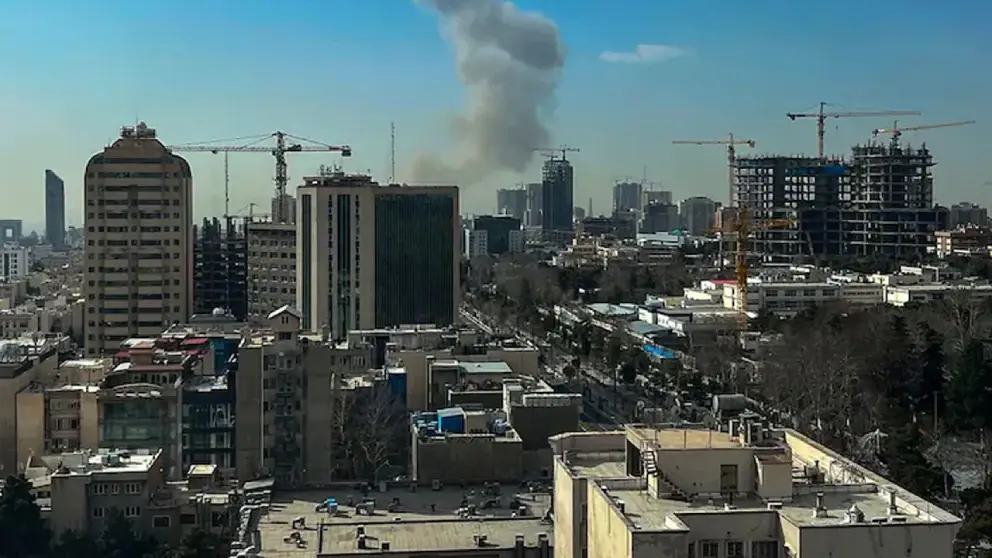
The Middle East is currently holding its collective breath. Following the unprecedented and devastating first wave of US-Israel strikes known as 'Operation Epic Fury', the geopolitical landscape of the region has been irrevocably altered. The primary targets were not deeply buried military installations or remote nuclear facilities, but the very political heart of Tehran. Among the smoking ruins of government buildings, one pressing, urgent question dominates global headlines and intelligence briefings alike
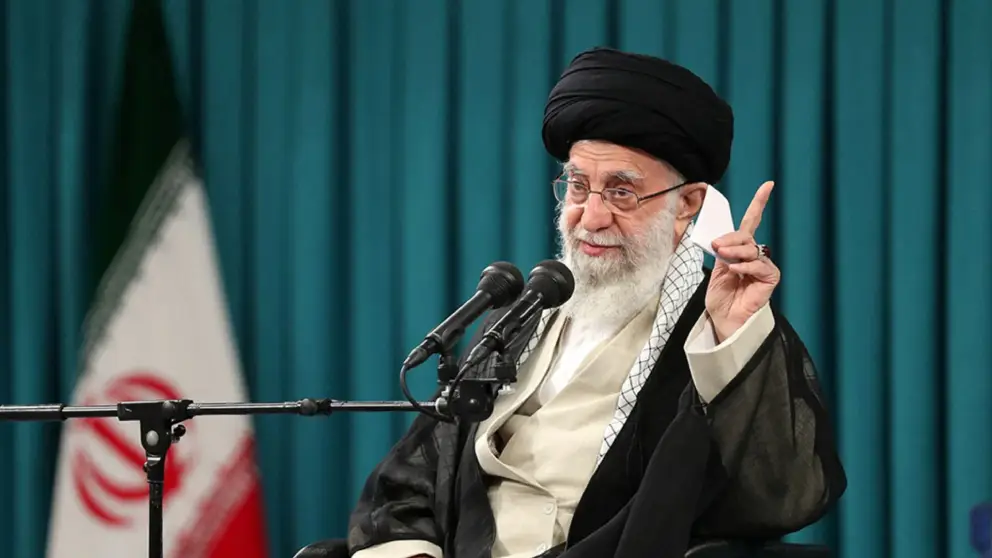
Where is Ayatollah Ali Khamenei?
With reports confirming that at least seven missiles were fired directly at the office of the Iranian Supreme Leader, the silence from Tehran regarding his whereabouts is deafening. Has the leadership been decapitated? Was there a timely evacuation? Or is the regime simply reeling from a coordinated strike designed to incite a domestic revolution?
In this comprehensive analysis, we will delve deep into the events of Operation Epic Fury, analyze the targets chosen by the US and Israel, examine the statements from Donald Trump and Benjamin Netanyahu, and explore the highly speculated whereabouts of Iran’s Supreme Leader, Ayatollah Ali Khamenei.
Operation Epic Fury: The Night Tehran Shook
To understand the mystery surrounding Khamenei’s location, we must first understand the sheer scale and audacity of Operation Epic Fury. For years, the shadow war between Iran, Israel, and the United States has been fought through proxy militias, cyberattacks, and targeted assassinations of scientists and military commanders. However, Operation Epic Fury marks a dramatic escalation, shifting from covert operations to overt, high-intensity kinetic strikes aimed directly at Iran's political sovereignty.
A Shift in Strategic Targeting
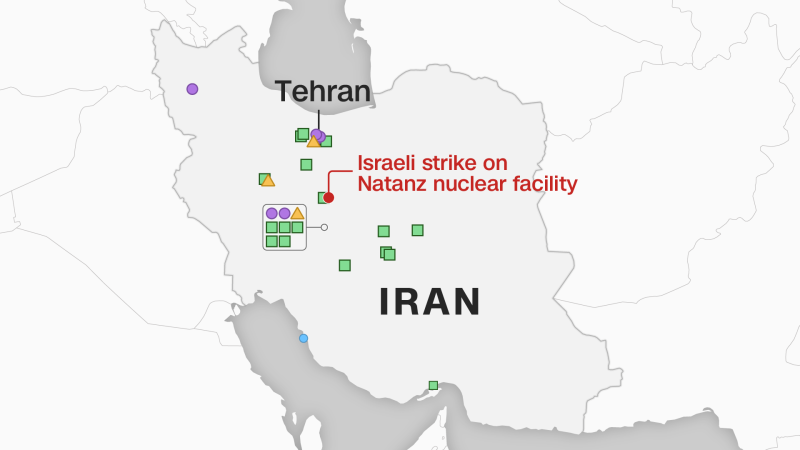
According to international reports and geopolitical analysts, the strategy behind this operation was explicitly designed to damage the political leadership of Iran. This is a stark contrast to previous military engagements. For instance, when the US attacked Iran last year in June, the crosshairs were firmly placed on deeply buried nuclear facilities locations strategically situated far from civilian population centers to minimize collateral damage.
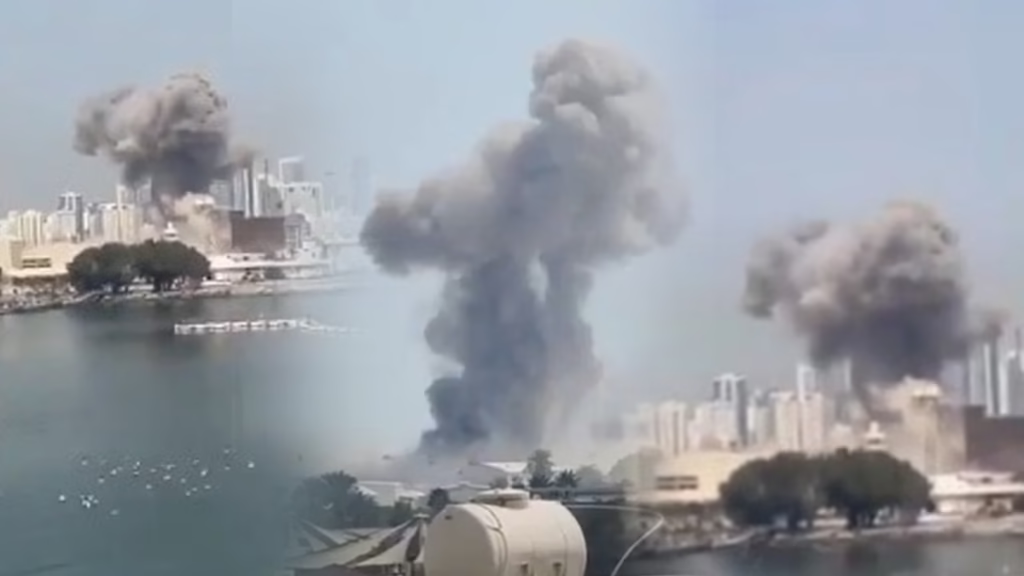
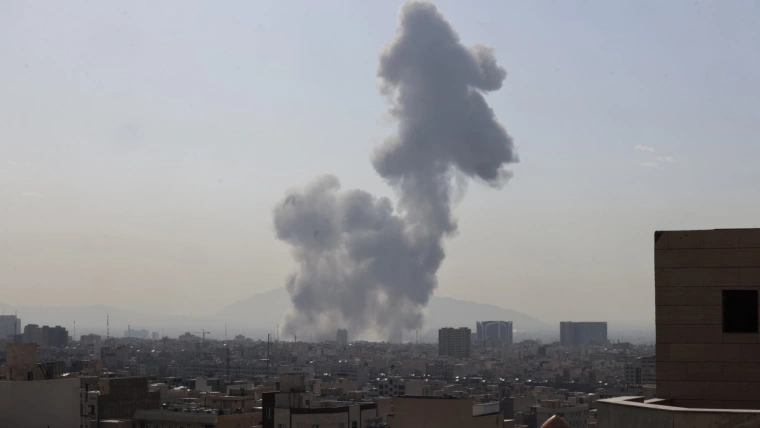
Today, the rules of engagement have fundamentally changed. The sites struck in the first wave of Operation Epic Fury were primarily the offices and official residences of the Iranian leadership in the heart of the capital.
A US government source succinctly summarized the shift in strategy to Reuters, stating: "Iranian officials were the main target of the first wave of US-Israeli strikes."
The Target List: Decapitating the Regime
The precision strikes did not discriminate among the various branches of Iran's complex power structure. The targets hit were highly symbolic and strategically vital to the survival of the Islamic Republic:
The Office of Supreme Leader Ayatollah Ali Khamenei: The absolute center of political and religious authority in Iran. Reports indicate that seven missiles were fired toward this specific compound, signaling a clear intent to eliminate or severely disrupt the highest echelon of power.
The Residence of Iran’s President, Masoud Pezeshkian: Targeting the head of the executive branch further underscores the goal of political decapitation. While no assassination of senior government officials has been officially confirmed yet, the destruction of the residence sends a chilling message regarding the reach of US-Israeli intelligence and firepower.
The Assembly of Experts: Perhaps one of the most strategic targets hit was the offices of the Assembly of Experts. This is the clerical body directly responsible for choosing, supervising, and theoretically dismissing the Iranian Supreme Leader. By targeting this body, the US and Israel are striking at the very mechanism of regime succession.
The Headquarters of the Islamic Revolutionary Guard Corps (IRGC): The ideological and military backbone of the regime. The IRGC controls vast swathes of Iran's economy and its network of regional proxies. Hitting their headquarters is an attempt to sever the nervous system of Iran’s military apparatus.
Where is Ayatollah Ali Khamenei? Unraveling the Mystery
In the immediate aftermath of the strikes on his office, the world’s intelligence agencies, news organizations, and the Iranian public have been asking the same question, Where is Ayatollah Ali Khamenei?
As of the current reporting, there has been absolutely no official statement from the Iranian government regarding the exact whereabouts, health, or status of the Supreme Leader. In a nation where the Supreme Leader’s image and voice are ubiquitous projections of strength and divine authority, his absence during a time of unprecedented national crisis is glaring.
The Reuters Leak: Moved to a Secure Location
While official channels remain silent, leaks from within the Iranian government paint a picture of frantic, last-minute evasive action. According to a highly placed Iranian government source speaking to Reuters, Ayatollah Ali Khamenei was not in Tehran at the time of the strike.
The source claims that the Supreme Leader had already been moved to a highly secure, undisclosed location prior to the missiles making impact. This revelation immediately sparked a firestorm of speculation within the intelligence community regarding how Iran knew the strikes were coming.
Was Iran Tipped Off?
The fact that Khamenei was evacuated before seven missiles leveled his office raises serious questions about intelligence leaks or back-channel warnings. Geopolitical analysts suggest several possibilities:
The Breakdown of Informal Talks: Reports indicate that informal talks between Iran and the United States had recently fallen apart. It is highly plausible that during the deterioration of these talks, US diplomats or intermediaries issued direct warnings to Iranian officials about the consequences of their regional actions, prompting the IRGC to move their most valuable asset.
Russian or Chinese Intelligence: Iran maintains close strategic ties with both Moscow and Beijing. Both nations possess formidable satellite and signals intelligence capabilities. It is possible that early warning systems or allied intelligence agencies detected the massing of US and Israeli air assets and alerted Tehran just in time.
Calculated Evacuation: Given the escalating rhetoric from Donald Trump and Benjamin Netanyahu leading up to Operation Epic Fury, the IRGC’s security apparatus may have simply instituted high-level continuity of government protocols as a precaution.
Regardless of how he escaped, the reality remains that the Supreme Leader is currently in hiding. His inability to safely reside in his own capital is a massive psychological victory for the US and Israel, demonstrating that no one within the Iranian power structure is untouchable.
Is the US Aiming for Regime Change in Iran?
The sheer scale of Operation Epic Fury, combined with the specific selection of political targets, has led to intense debate regarding the ultimate endgame of the United States and Israel. Are these strikes merely punitive, designed to deter further aggression, or is the ultimate goal to topple the Islamic Republic entirely?
Based on the rhetoric accompanying the strikes, the answer leans heavily toward the latter. The operation has sparked comparisons to previous US foreign policy endeavors, leading journalists to ask if the US is aiming at regime change in Iran as it attempted to do in Venezuela.
The Venezuela Comparison
The comparison to Venezuela is apt, though the tactics differ wildly. In Venezuela, the US heavily sanctioned the Maduro regime and officially recognized an opposition leader, hoping that internal pressure and economic collapse would lead to a peaceful democratic transition.
In Iran, the strategy appears much more kinetic. The targets chosen by the US and Israel and the separate addresses delivered by Donald Trump and Benjamin Netanyahu screamed one overarching motive: to wipe out the leadership in Tehran and make way for a revolution.
Internal Chaos: Massive Protests and a Staggering Death Toll
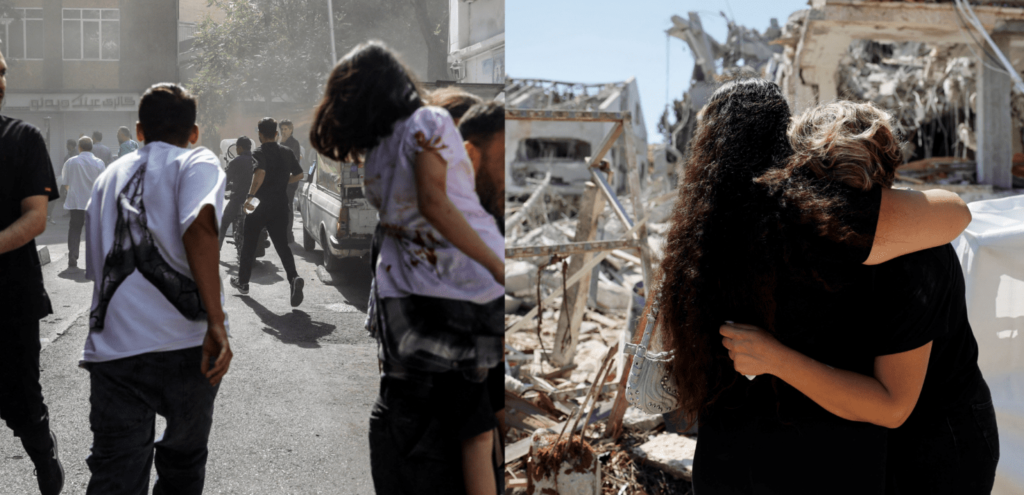
The external military pressure of Operation Epic Fury cannot be viewed in isolation. It is happening simultaneously with extreme internal volatility. Reports emerging from the ground indicate that Iran has been beset by massive, nationwide protests. Tragically, these protests and the subsequent government crackdowns have left more than 2,500 people dead.
This staggering loss of civilian life indicates that the regime’s grip on its populace is violently slipping. The US-Israel strategy seems to be a calculated gamble. apply maximum external military pressure to the leadership's physical infrastructure, paralyze their ability to command, and allow the internal, furious momentum of the Iranian populace to break the regime from the inside out.
Donald Trump and Benjamin Netanyahu: A Coordinated Strategy for Revolution
The political messaging surrounding Operation Epic Fury has been as aggressive as the military strikes themselves. Both US President Donald Trump and Israeli Prime Minister Benjamin Netanyahu delivered highly calculated statements that confirm the operation's goal goes far beyond mere military degradation.
Trump’s Call to the Iranian People
In a deeply unusual and highly provocative move, Donald Trump released a video speech aimed not at the Iranian government, but directly at the Iranian populace. He made it clear in no uncertain terms that the military campaign against Iran, dubbed Operation Epic Fury, was a multi-tiered effort to:
Decimate the country’s military.
Eliminate its nuclear program.
Bring about a change in government.
Trump’s words were designed to be a catalyst for internal uprising. He stated:
"To the great, proud people of Iran, the hour of your freedom is at hand... when we are finished, take over your government. It will be yours to take. This will be, probably, your only chance for generations."
By telling the Iranian people to take over their government, Trump is attempting to weaponize the ongoing domestic unrest (which has already claimed 2,500 lives) and turn it into a full-blown revolution, effectively doing the ground work that US troops will not do.
Netanyahu's Decade-Old Obsession
Israeli Prime Minister Benjamin Netanyahu was equally direct, if slightly more diplomatic in his phrasing. He stated that the US-Israel attack was designed to create conditions for the Iranian people to take their destiny into their own hands.
For Netanyahu, a regime change in Iran would be the fulfillment of a decade-old obsession. Throughout his long political career, the Israeli Prime Minister has consistently portrayed Iran, its pursuit of nuclear weapons, and its network of proxy militias (such as Hezbollah, Hamas, and the Houthis) as an existential menace to Israel and the broader Middle East. Operation Epic Fury represents the culmination of his life's work: a direct, devastating blow to the heart of his greatest geopolitical adversary.
The Strategy of Plausible Deniability
Geopolitical and defense experts have been quick to dissect the language used by both leaders. While the targets of the airstrikes scream regime decapitation, the rhetoric places the burden of actual regime change on the Iranian civilians.
Shashank Joshi, a noted defense and geopolitical expert, tweeted an insightful analysis of this dynamic:
"Trump and Netanyahu were careful to say that they believe this is a task for the Iranian people. Allows some distance if the strikes fail to dislodge the regime."
This is a crucial point. If the Iranian people do not rise up and topple the remnants of the government, the US and Israel can claim their military objectives (destroying nuclear sites and military headquarters) were met, washing their hands of the political failure. It is a strategy of instigation with a built-in escape hatch.
There’s more to life than simply increasing its speed.
By Udaipur Freelancer
The Targets Explained: Why Striking Khamenei’s Office Matters
To fully grasp the magnitude of the question Where is Khamenei?, we must examine why his office, and the other targeted institutions, are so vital to the survival of the Iranian state. Iran's government is not a standard republic or dictatorship. it is a complex, overlapping theocracy with dual power structures.
The Supreme Leader's Office (The Beit)
The office of Ayatollah Ali Khamenei, often referred to as the Beit (House), is not just a place where a politician sits. It is the absolute nexus of Iranian power. Khamenei holds the ultimate authority over the armed forces, the judiciary, state television, and key government appointments. Firing seven missiles at this compound is the geopolitical equivalent of trying to sever the head from the body. Even if Khamenei was physically absent, the destruction of his bureaucratic apparatus the command and control center of the nation creates massive logistical and psychological chaos. How does an absolute ruler project power when his throne room is reduced to rubble?
The Assembly of Experts: Targeting the Future
The targeting of the Assembly of Experts is a stroke of profound strategic foresight by US and Israeli planners. This body of 88 Islamic scholars is elected by the public (though vetted by the regime) and is charged with electing the Supreme Leader and, theoretically, removing him if he becomes unfit. Ayatollah Khamenei is well into his 80s, and his health has been a subject of intense speculation for years. The battle for his succession is the most sensitive and dangerous political issue in Iran. By destroying the offices of the Assembly of Experts, the attackers are actively attempting to throw the future succession of the Islamic Republic into total disarray, virtually guaranteeing factional infighting if Khamenei were to perish.
President Masoud Pezeshkian’s Residence
While the President of Iran is subordinate to the Supreme Leader, he is the face of the Iranian government on the global stage and manages the day-to-day economy. By targeting President Masoud Pezeshkian’s residence, Operation Epic Fury signaled that the civilian government is afforded no immunity. It tells the Iranian populace that their elected officials cannot even protect themselves, let alone the citizens.
The IRGC Headquarters
The Islamic Revolutionary Guard Corps is the true power behind the throne in Iran. They suppress domestic dissent (responsible for the crackdowns leading to the 2,500 deaths mentioned earlier), run the country’s ballistic missile program, and fund proxy wars across the Middle East. Striking their headquarters is an attempt to blind the regime's enforcers, creating the precise conditions Netanyahu mentioned for the Iranian people to revolt without facing coordinated military pushback.
The Global Fallout: What Happens Next?
The mystery of Khamenei’s whereabouts and the fallout from Operation Epic Fury extend far beyond the borders of Iran. The global implications of these strikes are monumental, threatening to drag the world into a broader economic and military crisis.
1. The Threat of Regional Retaliation
If Khamenei is safe in a secure bunker, his immediate priority will be retaliation to save face and project strength. While Iran’s conventional military may have been decimated by Operation Epic Fury, its network of proxies remains highly potent.
Hezbollah in Lebanon: Iran could activate Hezbollah to launch a massive rocket barrage into Northern Israel, opening a devastating second front for the IDF.
The Houthis in Yemen: The Houthis could escalate their attacks on commercial shipping in the Red Sea, threatening global supply chains and energy markets.
Shia Militias in Iraq and Syria: US bases across the Middle East are now on the highest possible alert, anticipating drone and rocket attacks from Iran-backed militias.
2. Global Economic Shockwaves
Any major conflict involving Iran inevitably sends shockwaves through the global energy markets. The Strait of Hormuz, through which roughly 20% of the world's oil supply passes, is dangerously close to the conflict zone. If Iran attempts to mine the strait or attack oil tankers in retaliation for the strikes on Tehran, oil prices could skyrocket, triggering inflation and economic instability worldwide.
3. The Stance of Russia and China
How will Iran’s powerful allies react? Both Russia and China have strategic partnerships with Tehran.
Russia: Currently embroiled in its own conflicts, Russia relies on Iranian drones and military hardware. A destabilized Iran hurts Russian war efforts. Moscow may issue strong condemnations and supply Iran with advanced air defense systems in the aftermath.
China: China is the largest purchaser of Iranian oil. Beijing values stability for the sake of commerce. They are likely to push heavily for diplomatic de-escalation at the UN, while condemning the US-Israeli unilateral strikes.
4. The Danger of a Power Vacuum
If the US and Israel succeed in their goal if the Iranian people heed Trump's call, and the regime falls what comes next? The Middle East has a tragic history of Western-backed regime changes resulting in catastrophic power vacuums. If the Islamic Republic collapses, there is no unified opposition ready to take control. The country could descend into a brutal, multi-factional civil war, fracturing along ethnic and religious lines, creating a humanitarian disaster that would dwarf the current crisis.
Analyzing the Intelligence: Was the Strike a Success?
As the dust settles over Tehran, military analysts are furiously debating whether Operation Epic Fury can be classified as a success. The answer largely depends on what the true metric of success is.
If the goal was purely physical destruction: The operation appears to be a massive success. US and Israeli stealth aircraft and precision-guided munitions bypassed Iranian air defenses with apparent ease, striking high-value targets in the center of the capital. The destruction of the IRGC headquarters and the Supreme Leader's office is a phenomenal display of military superiority.
If the goal was leadership decapitation: The operation appears to have failed, or at least fallen short. The Reuters report indicating Khamenei was moved to a secure location beforehand suggests a critical intelligence failure on the part of the US and Israel, or a critical intelligence success on the part of Iranian counter-intelligence. If the Supreme Leader survives, he can still rally his loyalists.
If the goal was regime change: The jury is still out. The combination of external military strikes and internal protests (resulting in 2,500 deaths) puts the regime under unprecedented pressure. However, historically, foreign military attacks often cause fiercely nationalistic populations to rally around their flag, even if they despise their government. Trump and Netanyahu's explicit calls for revolution may backfire, allowing the Iranian regime to paint all domestic protesters as agents of the US and Israel, justifying even harsher crackdowns.
The Media War and Propaganda
In the modern era, wars are fought as fiercely on television and social media as they are in the physical domain. The battle to control the narrative surrounding Operation Epic Fury is already underway.
The Silence of Iranian State Media
The fact that Iranian state television has not broadcast live footage of Ayatollah Ali Khamenei walking through the rubble or giving a defiant speech is highly telling. Dictatorships rely on the projection of invulnerability. By hiding the Supreme Leader and failing to show the damage, the Iranian regime is attempting to downplay the severity of the strikes. However, in the age of smartphones, where journalists and citizens are tweeting footage from ground zero (as noted by journalists on the ground), the regime’s silence only fuels panic and rumors of Khamenei’s demise.
The US-Israeli Information Campaign
Conversely, the US and Israel are maximizing their media offensive. By pre-releasing recorded videos of Donald Trump addressing the Iranian people, and having Netanyahu publicly state the goals of the mission, they are attempting to bypass the Iranian state censors and speak directly to the angry, grieving populace in the streets. It is a psychological operation designed to break the will of the IRGC rank-and-file by convincing them that their leadership is either dead, hiding, or inevitably falling.
Conclusion: A Region on the Brink of the Unknown
The question Where is Khamenei? is more than just a search for a man, it is a search for the future of the Middle East.
Operation Epic Fury has crossed a Rubicon. By launching direct, decapitation-style strikes against the Supreme Leader's office, the President's residence, and the Assembly of Experts, the United States and Israel have signaled that they will no longer tolerate the status quo. They are actively seeking to end the Islamic Republic through a dangerous combination of overwhelming military force and incited domestic revolution.
However, the reported evacuation of Ayatollah Ali Khamenei to a secure location means the ultimate goal remains unfulfilled. The regime is wounded, bleeding, and facing massive internal revolts that have already cost thousands of lives. Yet, until the Supreme Leader is confirmed dead or permanently removed from power by his own people, the intricate, dangerous apparatus of the Iranian theocracy remains active.
As the world waits for Khamenei to emerge from the shadows, or for the Iranian people to storm the heavily damaged gates of their government, one thing is absolutely certain: the Middle East has entered a terrifying new era of direct confrontation, and the shockwaves of Operation Epic Fury will be felt for generations to come.
Frequently Asked Questions (FAQs)
Q: Where was Ayatollah Ali Khamenei during the US-Israel strikes on his office? A: According to a source within the Iranian government speaking to Reuters, Ayatollah Ali Khamenei was not in Tehran when the strikes occurred. He had reportedly been moved to a highly secure, undisclosed location prior to the attack, raising questions about whether Iran was tipped off.
Q: What is Operation Epic Fury? A: Operation Epic Fury is the military designation for a massive wave of coordinated US-Israeli airstrikes and missile attacks directed at the political and military leadership of Iran. Targets included the Supreme Leader's office, the President's residence, and IRGC headquarters.
Q: Is the US aiming for regime change in Iran? A: Yes, the rhetoric strongly suggests this. Both US President Donald Trump and Israeli PM Benjamin Netanyahu stated that the strikes were intended to decimate Iran's military and "create conditions" for the Iranian people to revolt and take over their government, drawing comparisons to US strategies in Venezuela.
Q: Why was the Assembly of Experts targeted in the airstrikes? A: The Assembly of Experts is the clerical body responsible for choosing the next Supreme Leader of Iran. By targeting their offices, the US and Israel are attempting to disrupt the line of succession and create political chaos within the regime's power structure.
Q: How many casualties have resulted from the unrest in Iran? A: Reports indicate that alongside the military strikes, massive internal protests have swept across Iran. The severe government crackdowns and unrest have tragically left more than 2,500 people dead.
Q: What did Donald Trump say to the Iranian people? A: In a video speech, Donald Trump addressed the Iranian populace directly, stating that the hour of your freedom is at hand and encouraging them to take over their government once the military campaign had decimated the regime's defenses.
Q: Will Iran retaliate against the US and Israel? A: While Iran's political center has been heavily damaged, geopolitical experts warn that Iran may retaliate through its network of regional proxy militias, such as Hezbollah in Lebanon or the Houthis in Yemen, potentially targeting US bases or Israeli territory.
Udaipur Freelancer delivers high-quality web, marketing, and design solutions. We focus on building impactful digital experiences that help your brand succeed in today's market.












Recommended for you
Must-See Art Exhibitions Around the World This Year
The Revival of Classical Art in a Digital Age
Breaking Down the Elements of a Masterpiece Painting
The Revival of Classical Art in a Digital Age