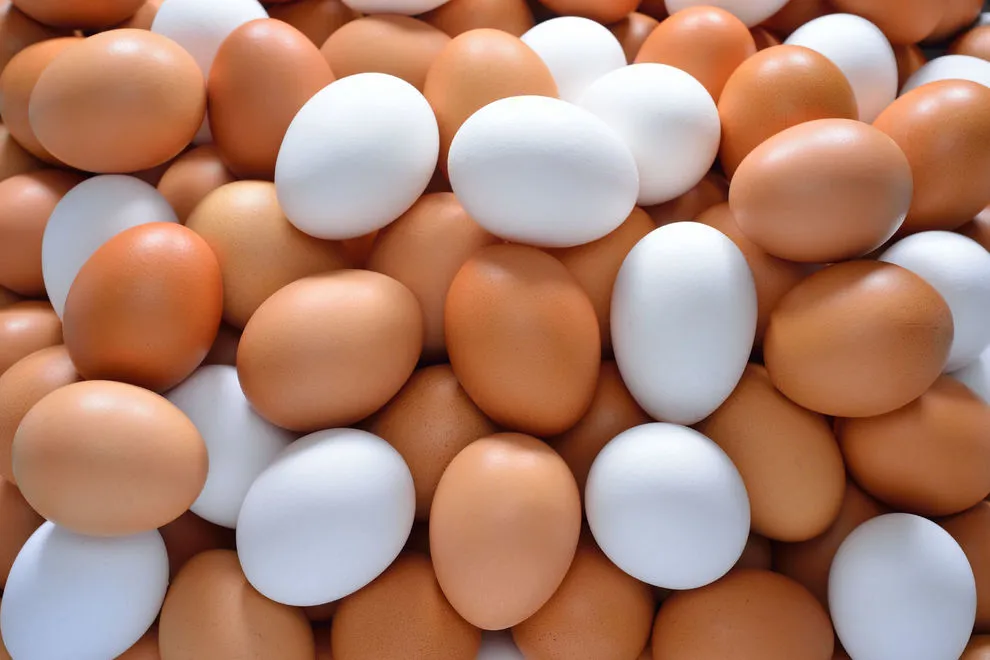
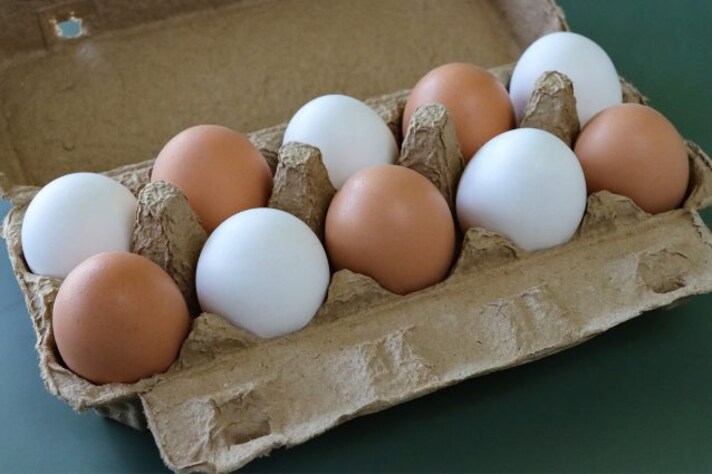
Picture this, You are standing in the dairy aisle of your local grocery store, scanning the egg cartons. On one side, you have a dozen crisp, white eggs. On the other, a dozen rustic, earthy brown eggs. Then, you look at the price tags. Consistently, the brown eggs cost noticeably more than their white counterparts.
If you are like most shoppers, your brain immediately tries to justify the price difference. Are brown eggs healthier? Are they more natural? Do they come from happier chickens?
Because of the psychological association we have with other foods like brown whole wheat bread being healthier than highly processed white bread we tend to assume the same logic applies to eggs.
But the truth is far more practical, surprisingly scientific, and deeply rooted in agricultural economics. Today, we are cracking the case on the real reason brown eggs cost more than white eggs.
Myth Busted: Are Brown Eggs Actually Healthier?
Before we dive into the economics of egg farming, we need to address the most common misconception head-on, Brown eggs are not inherently healthier than white eggs.
When tested in a laboratory setting, the nutritional profile of a white egg and a brown egg is virtually identical. If both eggs come from chickens raised in the exact same environment and fed the exact same diet, they will have the exact same amounts of:
- Protein
- Vitamins (like Vitamin D and B12)
- Cholesterol
- Omega-3 fatty acids
- Calories
The color of the shell is just that a shell. It has zero impact on the yolk inside, the flavor of the egg, or the nutritional benefits it provides to your body. The thickness of the shell is also a myth. shell thickness is determined by the age of the chicken (younger chickens lay eggs with harder shells), not the color.
So, if you aren't paying for extra nutrition, what exactly is draining your wallet at the checkout counter?
The Genetics of Egg Color: Check the Earlobes!
To understand the price tag, you first have to understand where the color comes from. The color of an egg is determined purely by the genetics of the chicken breed.
Here is a fun, fascinating fact you can share at your next breakfast brunch, You can usually tell what color egg a chicken will lay by looking at its earlobes. Yes, chickens have earlobes!
- White Eggs: Chickens with white feathers and white or lightly colored earlobes (such as the White Leghorn) will lay white eggs.
- Brown Eggs: Chickens with red or brown feathers and red earlobes (such as the Rhode Island Red, Sussex, or Marans) will lay brown eggs.
- Blue/Green Eggs: Breeds like the Araucana have unique genetics that cause them to lay beautiful blue or green eggs!
Every egg actually starts out white inside the chicken. For brown eggs, a natural pigment called protoporphyrin IX is deposited on the shell during the final stages of the egg-laying process. Because this pigment is only added at the very end, if you crack open a brown egg, you will notice that the inside of the shell is still white.
The Real Reason for the Price Hike: Chicken Appetites
Now we arrive at the core reason for the price discrepancy. It comes down to one simple rule of agriculture, Bigger chickens cost more to feed.
The breeds of chickens that lay white eggs (predominantly White Leghorns) are biologically smaller birds. Over decades of agricultural refinement, these birds have been bred to be incredibly efficient egg-laying machines. Because their bodies are small, they require less daily caloric intake to maintain their body weight and produce an egg.
On the flip side, the chicken breeds that lay brown eggs (like Rhode Island Reds) are significantly larger, heavier birds. Historically, these breeds were dual-purpose birds, meaning farmers kept them for both egg production and meat.
Because brown-egg-laying hens have a larger body mass, they require substantially more food every single day to stay healthy and produce eggs.
The Feed Conversion Ratio (FCR)
In farming, there is a metric called the Feed Conversion Ratio (FCR). It measures how efficiently an animal converts feed into output (in this case, eggs).
- White Hens have a highly efficient FCR. They eat less but still produce an egg almost every day.
- Brown Hens have a lower FCR. They eat more feed to produce the exact same amount of eggs.
Feed is the single largest overhead cost for any poultry farmer. Because brown chickens eat more grain, corn, and protein than white chickens, the farmer spends more money to produce a dozen brown eggs. To maintain a profitable business, the farmer must pass that extra feed cost onto the consumer.
Simply put: You aren't paying for a better egg, you are paying for a hungrier chicken.
There’s more to life than simply increasing its speed.
By Udaipur Freelancer
Housing and Spatial Economics
Feed isn't the only operational cost that drives up the price of brown eggs. Spatial economics also play a vital role.
Because brown egg-laying breeds are physically larger, they require more square footage to live comfortably. Whether they are kept in barns, aviaries, or free-range pastures, a farmer cannot fit as many brown hens into a designated space as they can white hens.
Less birds per acre means less total eggs produced per farm. When overall yield drops, the price per unit must rise to cover the fixed costs of the farmland, barn maintenance, and farm labor.
The Psychology of Marketing: Why Organic Eggs are Usually Brown
There is one more layer to the brown egg pricing puzzle, and it has to do with clever grocery store marketing and consumer psychology.
Over the years, consumers have developed a subconscious bias, assuming that brown means rustic, natural, and unprocessed. Egg producers are incredibly aware of this psychological trend.
If a farmer decides to raise a flock of chickens using expensive, premium methods such as feeding them a certified organic diet, allowing them to be pasture-raised, or giving them a soy-free diet they want to ensure the consumer recognizes the eggs as a premium product.
Because consumers naturally view brown eggs as a premium, farm-fresh product, farmers almost exclusively use brown-laying breeds for their organic and free-range flocks.
This creates a compounding effect on the price:
- The brown chicken eats more food (raising the base price).
- The food the brown chicken eats is expensive, certified organic feed (raising the price further).
- The brown chicken is given expensive pasture land to roam (raising the price again).
Therefore, when you see a $7 carton of brown eggs next to a $3 carton of white eggs, you are often looking at the difference between a mass-produced, factory-farmed white egg and a pasture-raised, organic brown egg. The price difference there isn't just about shell color, it is about the lifestyle of the bird.
Do Brown Eggs Taste Better?
If nutrition is the same, does the taste differ? The short answer is, No, shell color does not affect taste.
However, the diet of the chicken absolutely affects the taste and the richness of the yolk. A chicken that is allowed to roam on a pasture, eating a diverse diet of grass, bugs, and seeds, will produce an egg with a deep, vibrant orange yolk and a richer flavor.
Because brown eggs are more commonly associated with pasture-raised and free-range farming practices (as mentioned above), many people think brown eggs taste better. But if you were to take a white egg from a pasture-raised hen and a brown egg from a pasture-raised hen, they would taste completely identical.
Summary: How to Shop for Eggs
The next time you find yourself staring at the dairy case wondering which carton to buy, you can make an empowered decision based on facts, not marketing myths.
Here is your ultimate egg-buying cheat sheet:
- If you are on a budget: Buy conventional white eggs. They offer the exact same high-quality protein and vitamins as conventional brown eggs but save you money because the chickens cost less to feed.
- If you care about animal welfare: Ignore the color of the shell entirely. Instead, look for labels that matter, such as Certified Humane, Pasture-Raised, or Free-Range.
- If you want the best-tasting egg: Look for pasture-raised eggs (regardless of color). The varied diet of foraging hens produces richer, creamier yolks.
The real reason brown eggs cost more than white eggs has nothing to do with magic or superior health benefits. It is a simple story of genetics, agriculture, and a chicken with a very big appetite.















Recommended for you
Must-See Art Exhibitions Around the World This Year
The Revival of Classical Art in a Digital Age
Breaking Down the Elements of a Masterpiece Painting
The Revival of Classical Art in a Digital Age