What is justice, and why does it sometimes take so many years for victims to get it? The ongoing story of Bilkis Bano is a painful example of how the legal system can delay fairness. Bilkis Bano suffered terrible violence during the 2002 Gujarat riots. For more than twenty years, she has been fighting in court for complete justice. However, recent legal orders and endless court steps show that getting true justice is still very hard and slow.
When people talk about justice delayed, they mean that a victim has to wait a long time to see wrongdoers punished. In the case of Bilkis Bano, eleven men were convicted for terrible crimes against her and her family. They received life sentences. But in 2022, the state government allowed these men to walk out of jail early. This decision shocked millions of people across the country and raised huge questions about fairness.
The Long Battle in Court
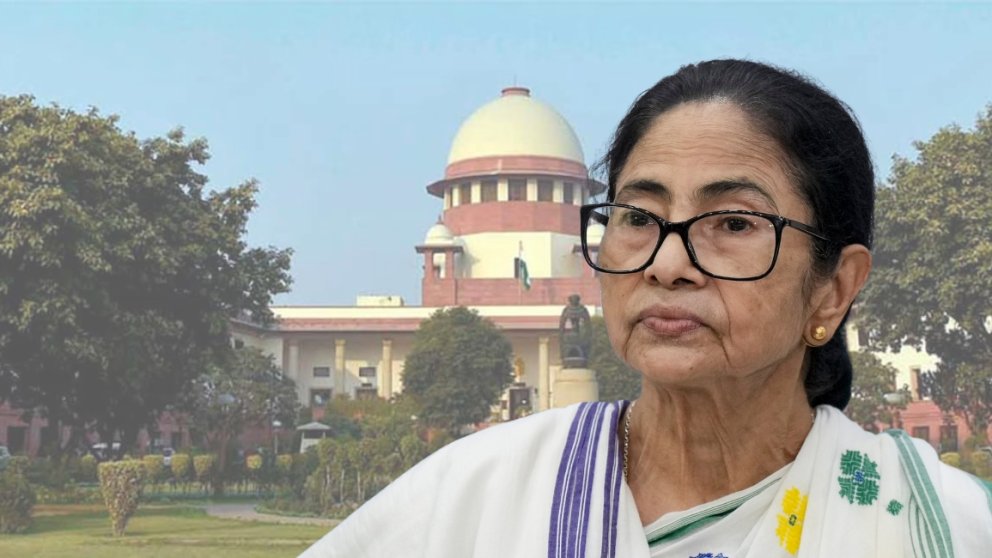
Bilkis Bano did not lose hope. She went back to the Supreme Court of India to challenge the early release of the convicts. The court listened to her petition to check if the release was lawful. After reviewing the facts, the court cancelled the early release order and asked the convicts to return to prison. This was celebrated as a major victory for human rights and women's safety.
However, the struggle did not stop there. Multiple petitions, procedural appeals, and delays continue to create fresh hurdles. Many legal experts explain that when legal processes take too long, it causes endless stress for the victim. Similar concerns about public rights and legal challenges can be seen in political events, such as when protests and legal FIRs highlight social tension in different parts of the country.
Why Deferred Justice Hurts Society
There is a well-known saying that justice delayed is justice denied. When a court decision takes many years or when orders keep getting postponed, ordinary citizens start to lose trust in the judicial system. Victims of violent crimes feel unsafe. They wonder if the law is strong enough to protect them from powerful individuals.
For women across the nation, the Bilkis Bano case is not just about one person. It represents the fight for dignity, respect, and equal protection under the law. If convicts of severe crimes can walk free easily through procedural tricks, it sends a bad message to society. It tells people that legal punishment might not be permanent or strict.
The Role of the Legal System
Courts are supposed to give clear and quick decisions to maintain law and order. When orders are deferred or delayed repeatedly, the legal system faces severe criticism. Judges and lawyers must work together to ensure that cases involving severe violence are resolved without unnecessary delays. Postponements allow room for political pressure and endless legal loopholes.
There’s more to life than simply increasing its speed.
By Udaipur Freelancer
International observers also closely watch how democratic nations uphold human rights and civil law. Just as major global headlines cover complex international disputes, such as the warnings surrounding cross-strait relations, internal legal decisions reflect how strong a nation's legal institutions really are. A country that respects swift justice builds a better reputation worldwide.
The Courage of Bilkis Bano
Throughout this long journey, Bilkis Bano has shown incredible courage. Despite facing immense fear, threat, and loss, she stood strong before the highest courts in the land. Her determination inspires many activists, lawyers, and citizens who strongly believe in the rule of law.
Moving forward, people hope that court orders are enforced immediately without further delays. Justice should not be deferred any longer. The legal system must clearly prove that the law applies equally to everyone, regardless of who they are or how powerful they might be.
Final Thoughts
The Bilkis Bano case is a stark reminder of how difficult the battle for justice can be in real life. While legal battles take time, truth and fairness must win in the end. Deferring justice only hurts the victim again and damages public trust in institutions. It is time for the judicial system to stand firm, deliver timely decisions, and uphold the rights of every citizen.
Udaipur Freelancer delivers high-quality web, marketing, and design solutions. We focus on building impactful digital experiences that help your brand succeed in today's market.


















Recommended for you
Must-See Art Exhibitions Around the World This Year
The Revival of Classical Art in a Digital Age
Breaking Down the Elements of a Masterpiece Painting
The Revival of Classical Art in a Digital Age