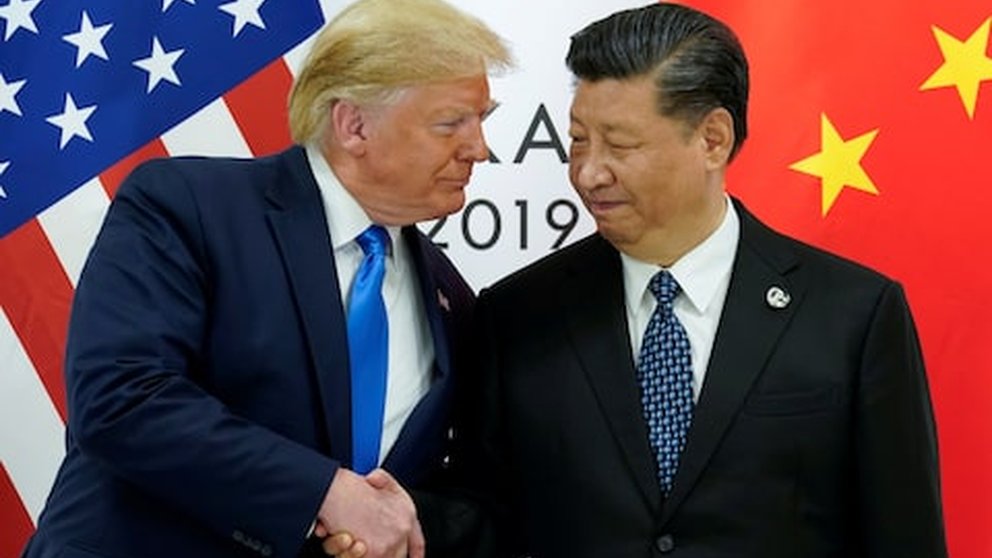
Imagine a global chess match where one move could send the whole board crashing. That's pretty much what happened recently when Chinese President Xi Jinping met with US President Donald Trump in Beijing. The air was thick with diplomacy, but one topic stood out, casting a long shadow over everything else: Taiwan. And Xi's message was crystal clear: mess with Taiwan, and things could get very, very dangerous for US-China relations.
Xinhua, China's official state media, reported that Xi told Trump that if the Taiwan issue isn't handled carefully, the two global giants could face a 'clash or even conflict.' He called it the 'most important issue' between China and the US. That's a pretty strong statement, isn't it? It tells us that for China, Taiwan isn't just another talking point; it's at the absolute core of their national interests and a potential flashpoint for international trouble.
Why is Taiwan Such a Big Deal?
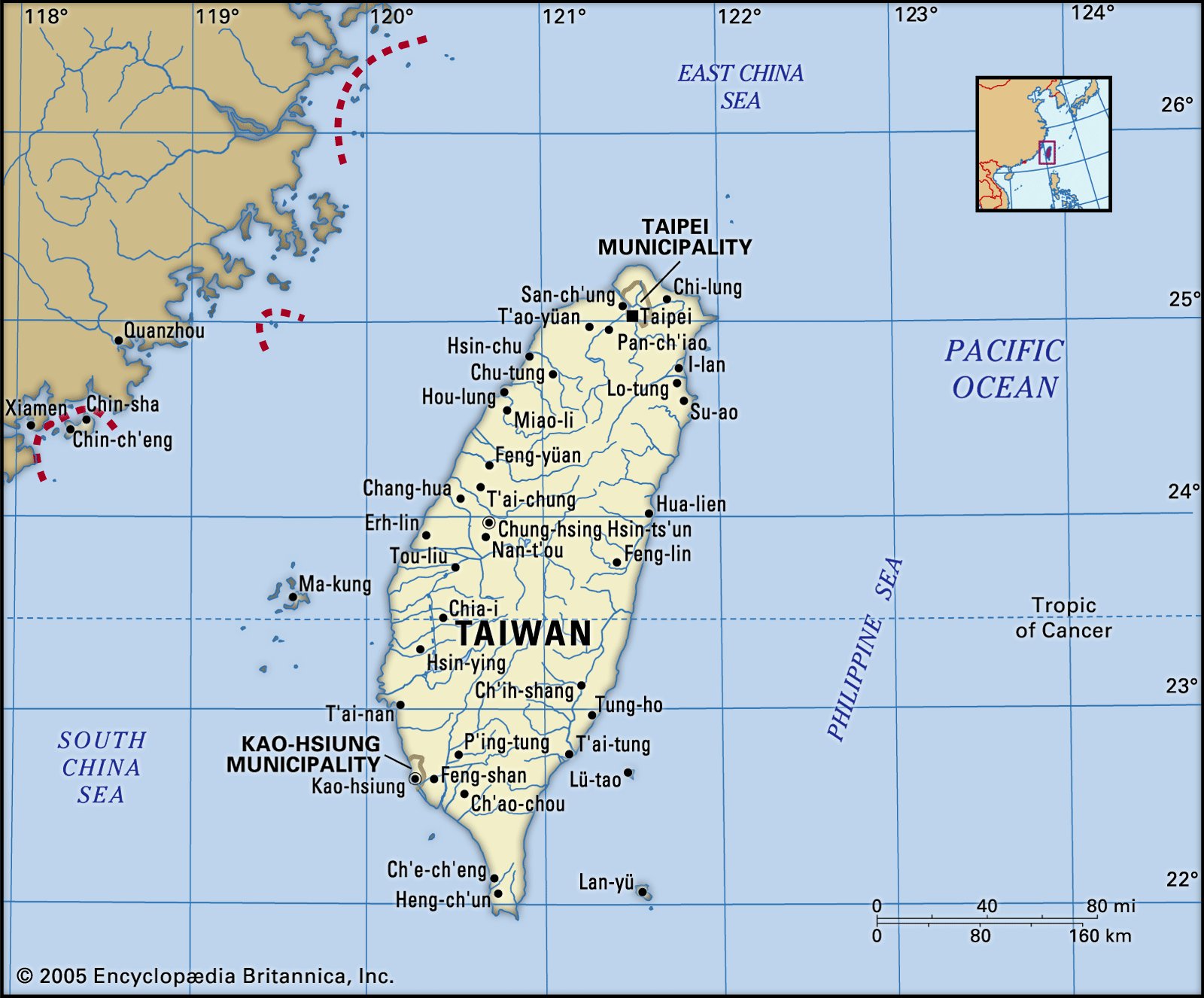
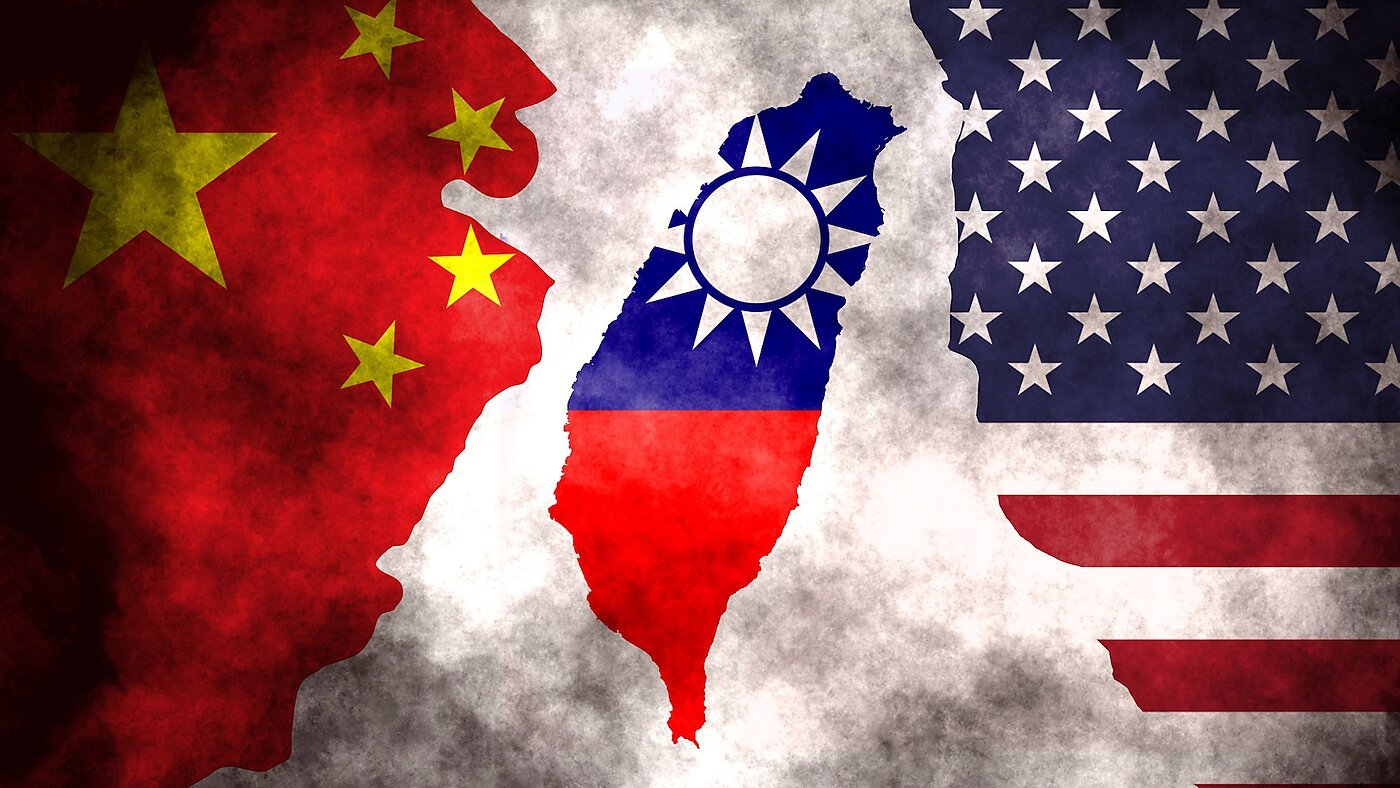
To understand Xi's warning, we need to grasp why Taiwan is such a sensitive topic for China. China sees democratically governed Taiwan as its own territory, a breakaway province that must eventually reunite with the mainland, by force if necessary. This belief is rooted in China's civil war history and its 'One China' policy, which says there's only one China, and Taiwan is part of it. Taipei, Taiwan's capital, strongly rejects this claim, proud of its self-governance and democratic way of life.
The US has a complex relationship with Taiwan. While officially recognizing Beijing's 'One China' policy, the US also maintains unofficial ties with Taiwan. Crucially, it sells arms to the island, something China always strongly protests. These arms sales are meant to help Taiwan defend itself, but from China's perspective, they're a direct interference in its internal affairs and a challenge to its sovereignty.
Walking a Tightrope: America's Taiwan Policy
For decades, the US has tried to balance its relationship with both Beijing and Taipei. It's often called 'strategic ambiguity.' This means the US doesn't clearly say if it would step in militarily if China attacked Taiwan. This careful dance is designed to discourage China from invading and to prevent Taiwan from formally declaring independence, which could spark a conflict. However, Xi's recent words suggest that this delicate balance is becoming increasingly fragile.
Trump's visit to Beijing was a chance to talk about many things – trade, North Korea, and global stability. But Xi made sure that Taiwan was at the forefront of the conversation, leaving no doubt about its critical importance to China. It’s a reminder that even when dealing with complex global issues, some core principles are non-negotiable for nations.
What Does a 'Dangerous Place' Look Like?
When Xi warns of relations going to a 'very dangerous place,' he's not just using strong words for show. A breakdown in US-China relations over Taiwan could have massive, far-reaching consequences. Think about it: the US and China are the two biggest economies in the world. A serious conflict, even an economic one, could ripple across global markets, disrupt supply chains, and plunge the world into uncertainty.
Militarily, a clash over Taiwan would be catastrophic. The Strait of Taiwan is one of the busiest shipping lanes in the world, and any conflict there would have immediate global impact. The very idea of such a confrontation highlights the need for extreme caution and clear communication between leaders. This is a situation where careful diplomacy is paramount, much like how Gulf nations often navigate complex regional tensions to avoid direct warfare, recognizing the immense costs of conflict.
There’s more to life than simply increasing its speed.
By Udaipur Freelancer
Beyond immediate conflict, strained relations could also impact global cooperation on other critical issues, from climate change to pandemic preparedness. When the world's two superpowers are at odds, it makes solving any global problem much harder.
Why This Matters to You
You might think, 'Taiwan is far away, why should I care?' But in our interconnected world, what happens between the US, China, and Taiwan affects everyone. Many of the gadgets we use daily, from smartphones to laptops, rely on components made in Taiwan. A conflict could easily disrupt these vital supply chains, leading to higher prices or shortages.
More broadly, stability between these two world powers is key to global peace. When they're arguing, the world feels less safe. We often don't see the underlying stresses until they become critical, much like how silent heart attack triggers can be at play long before a major health event. Geopolitical tensions work similarly – small missteps or misunderstandings can build up into serious risks.
The Path Forward: Diplomacy and Understanding
Xi's warning to Trump serves as a stark reminder of the delicate balance in US-China relations. It's a call for extreme caution, clear communication, and a deep understanding of each other's red lines. Both sides need to engage in careful diplomacy, avoiding actions that could be seen as provocative or escalatory.
For the sake of global stability and prosperity, leaders must navigate this issue with the utmost care. The future of US-China relations, and arguably a significant portion of the world's stability, hangs in the balance, resting on how this 'most important issue' of Taiwan is handled in the days and years to come.
Udaipur Freelancer delivers high-quality web, marketing, and design solutions. We focus on building impactful digital experiences that help your brand succeed in today's market.














Recommended for you
Must-See Art Exhibitions Around the World This Year
The Revival of Classical Art in a Digital Age
Breaking Down the Elements of a Masterpiece Painting
The Revival of Classical Art in a Digital Age