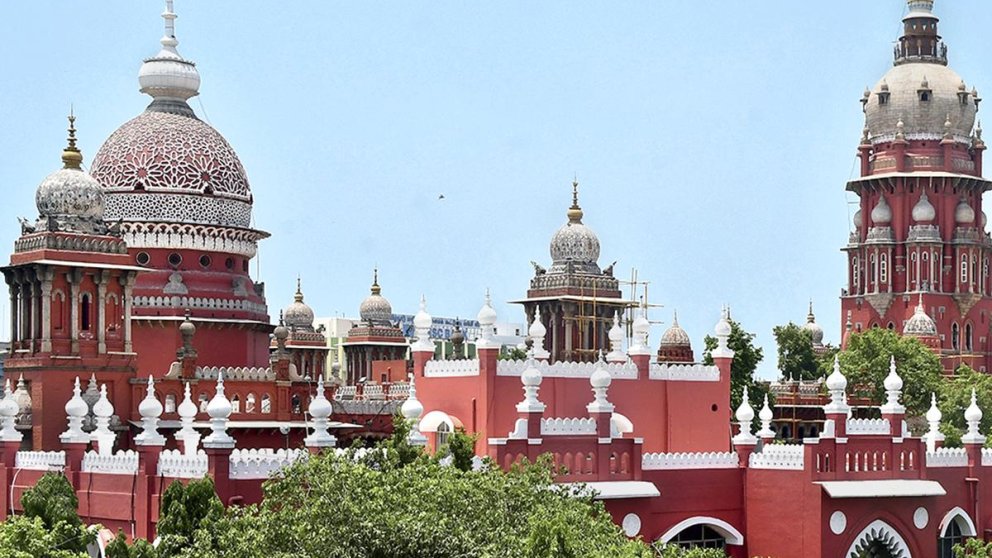
Arbitration is meant to be a quick and efficient way to settle legal disputes without going to traditional courts. However, recent observations by Madras High Court Judge Anand Venkatesh have raised serious concerns. The judge pointed out a major gap in the current legal system: there is no formal mechanism to check if an arbitrator is actually 'fit enough' to handle a case.
The Growing Problem of Arbitrator Selection
In many commercial cases, parties choose their own arbitrators. While this sounds good in theory, it often leads to situations where the process is not as neutral or professional as it should be. Justice Venkatesh highlighted that the lack of oversight on the suitability and competence of an arbitrator can derail the entire legal process. When an arbitrator lacks the necessary experience or physical/mental fitness to handle complex litigation, the parties involved suffer greatly.
Just as fans often discuss the future of leadership in sports—much like the discussions surrounding the future of CSK and its key figures—the legal system requires a clear vision for its own leadership and personnel. Without clear guidelines on who is qualified to serve, the integrity of arbitration as a 'fast-track' alternative is at risk.
Why Accountability Matters
The judiciary plays a vital role in keeping society stable, and when administrative roles like arbitration fail, it affects everyone. We see these concerns in various sectors, from legal disputes to major political movements, such as the history of the Navnirman movement in Gujarat. Accountability is the backbone of any public or private process. If an arbitrator is not fit to act, the ruling they provide might be biased, delayed, or legally unsound.
Justice Venkatesh suggested that there needs to be a standard protocol. If we can have screening processes for other important professional roles, why not for those who act as private judges? The current 'hands-off' approach has created a vacuum where parties might get trapped in long, expensive, and ineffective arbitration proceedings.
There’s more to life than simply increasing its speed.
By Udaipur Freelancer
A Call for Legal Reform
The Madras High Court judge's observations are a wake-up call for the legal fraternity. Reform is needed to ensure that arbitrators possess the necessary temperament, intellect, and physical capability to manage cases. This could involve creating a certified panel of arbitrators, establishing medical or professional fitness standards, or implementing a periodic review system.
When these mechanisms are absent, the reputation of arbitration as an 'alternative' to the formal court system is damaged. Parties go to arbitration to avoid the long waiting times of traditional courts. However, if the arbitrator is not up to the task, the process ends up being even more stressful than a trial in a courtroom. It is time for lawmakers to listen to these concerns and create clear rules to protect the rights of individuals and businesses alike.
Conclusion
The call for better oversight is a step toward a more transparent legal system. Justice Venkatesh has highlighted a crucial issue that we can no longer ignore. By implementing stricter vetting, the legal community can ensure that justice is not just promised through arbitration, but effectively delivered. Ensuring fitness and competence in arbitrators is not just a procedural technicality; it is a fundamental requirement for a fair society.
Udaipur Freelancer delivers high-quality web, marketing, and design solutions. We focus on building impactful digital experiences that help your brand succeed in today's market.













Recommended for you
Must-See Art Exhibitions Around the World This Year
The Revival of Classical Art in a Digital Age
Breaking Down the Elements of a Masterpiece Painting
The Revival of Classical Art in a Digital Age