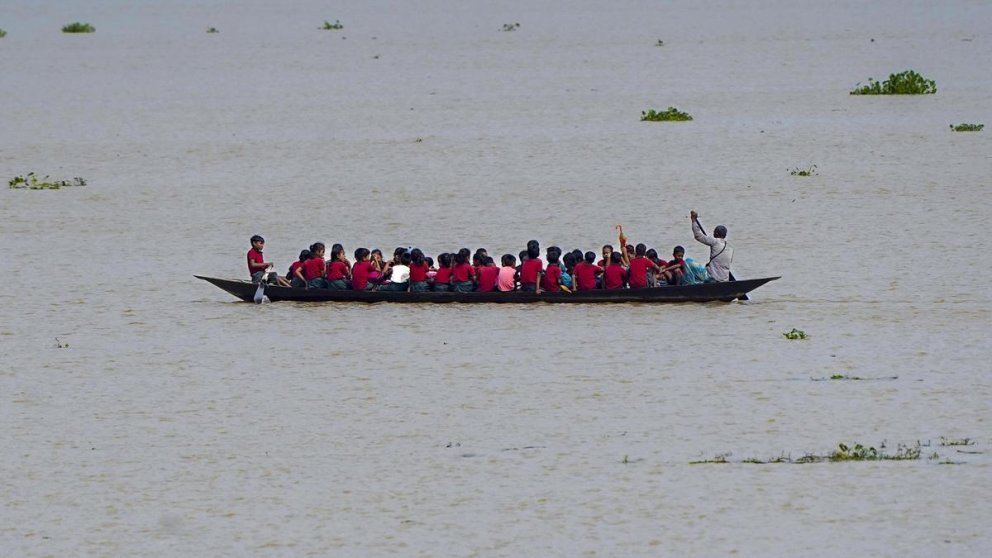
Every year, heavy rains bring severe flooding to many parts of Nagaland and neighboring regions. When floods happen, rivers overflow, roads get destroyed, and many families lose their houses and crops. In times like these, it is very easy for leaders and citizens to blame one another. However, a Minister from Nagaland recently stated that playing a blame game will never solve the problem. Instead, what everyone truly needs is genuine collaboration and teamwork to handle these dangerous flood situations.
The Minister highlighted that natural disasters do not wait for political arguments to settle. When waters rise rapidly, people need immediate help, food, clean drinking water, and safe shelter. Blaming local authorities, past governments, or nature itself only wastes precious time. True solutions come when everyone decides to sit together, plan properly, and execute solutions that protect lives and property.
Why Blame Games Fail During Disasters
It is natural for people to feel angry when their homes fill up with muddy water or when roads get washed away by landslides. However, pointing fingers does not clear blocked drains or rebuild broken bridges. When political parties or local groups spend energy blaming each other, the real work gets delayed. Construction of flood barriers stops, rescue teams lose valuable time, and relief supplies do not reach the victims as quickly as they should.
Moreover, pointing fingers creates fear and distrust among the public. People begin to feel that no one is looking out for their well-being. To build a strong and safe state, trust between the government and citizens is essential. When leaders take responsibility and ask everyone to join hands, it builds confidence across the entire region.
The Power of Community and Government Collaboration
Collaboration means that everyone plays an important role. Government departments must work closely with local village councils, non-profit organizations, and everyday citizens. For instance, local residents often know their land better than anyone else. They know which streams overflow first and which hills are at risk of landslides. By listening to local advice, the government can design much better flood relief plans.
At the same time, response teams must be trained and equipped properly. Quick response saves countless lives during flooding. When handling severe crises, staying updated on critical national emergencies—such as reading Indian Air Force Sukhoi crash updates—reminds us how vital structured emergency response systems are for national safety and quick disaster management.
Celebrating Everyday Heroes in Times of Crisis
Whenever floods hit Nagaland, we see inspiring stories of ordinary citizens risking their lives to rescue neighbors, feed families, and clear roads. These brave individuals demonstrate the true spirit of community. Their selfless actions deserve high praise and official recognition, much like honoring the brave Operation Sindoor heroes who put their lives on the line for the safety and honor of our nation.
When local volunteers work alongside government rescue teams, rescue operations become much faster and more effective. Instead of waiting for official help to arrive from far away, community groups can act immediately to save elderly neighbors, children, and pets. This unified effort shows that unity is our greatest strength during hard times.
There’s more to life than simply increasing its speed.
By Udaipur Freelancer
Long-Term Steps to Prevent Future Floods
Stopping flood damage is not just about helping people after the rain starts. It is also about planning ahead before the monsoon season arrives. Nagaland needs strong infrastructure that can handle heavy rainfall without breaking down. This includes building better drainage systems in towns, clearing rivers of trash and mud, and making sure buildings are not constructed on natural water pathways.
Environmental protection is another major key to flood control. Cutting down too many trees on hillsides causes soil erosion, which leads to massive landslides and clogged rivers during heavy rains. Planting more trees and protecting natural forests can hold the soil together and slow down heavy rainwater flow. When the government and local communities work together on tree-planting drives, the risk of severe flooding decreases over time.
What Can Citizens Do to Help?
Citizens do not have to wait for the government to take every single action. Every individual can make a big difference in their neighborhood. For example, people can avoid throwing plastic bottles and trash into open drains. Plastic waste clogs water channels, causing water to spill into streets and houses during sudden downpours. Keeping drains clean is a simple step that every household can take.
Communities can also set up local disaster management groups. These groups can keep extra flashlights, ropes, first aid kits, and dry food ready before the heavy rain starts. They can also keep emergency contact numbers handy so they can call for help immediately when water levels rise.
Conclusion: Moving Forward Together
The call for collaboration from the Nagaland Minister is a powerful reminder for everyone. Floods are a natural challenge, but how we respond to them is entirely in our hands. Blaming others will not stop the rain or rebuild broken lives, but coming together with a shared goal will make a lasting difference.
By combining government resources with local knowledge and public support, Nagaland can build safer and more resilient communities. Let us put aside disagreements and work together to tackle floods effectively. A united effort today will create a safer and brighter tomorrow for everyone living in the region.














Recommended for you
Must-See Art Exhibitions Around the World This Year
The Revival of Classical Art in a Digital Age
Breaking Down the Elements of a Masterpiece Painting
The Revival of Classical Art in a Digital Age